


Fall Container Gardening in the East Bay: Drought-Tolerant Plants, Cool-Season Veggies, and Herbs
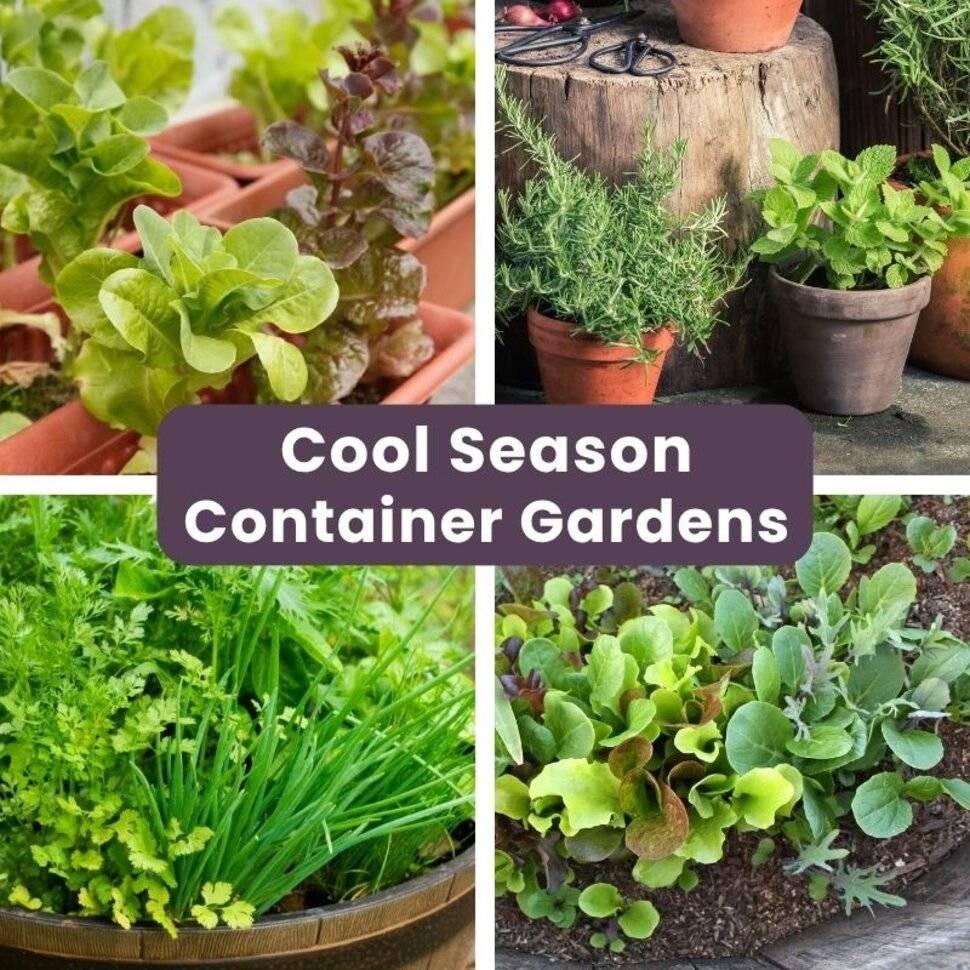
Key Takeaways
-
Fall and winter are prime container gardening seasons in San Leandro, Oakland, and across the East Bay.
-
Drought-tolerant plants like rosemary, lavender, sage, and compact manzanita thrive in pots and handle our wet winters and dry summers.
-
Leafy greens, kale, root veggies, and cool-season herbs grow well in containers when the pot size matches the crop.
-
Veggie and herb seedlings are scarce in December and January. Plant this fall or wait for fresh starts in February.
-
Winter container care is mostly about drainage: fresh potting mix, clear drainage holes, and no saucers full of rainwater.
-
Pairing flowers with edibles saves space and brings in beneficial insects.
Our recent post on how to start a fall vegetable garden in the East Bay covered veggie beds. This one is for your patio, balcony, or front porch. Our mild Mediterranean climate means East Bay containers don’t have to go dormant when the tomatoes quit. Mix cool-season edibles with drought-tolerant plants now, and your pots will look good and feed you straight through spring.
Why Fall Is Prime Time for Container Gardening
Cool-season crops grow best when average temperatures sit between 55°F and 75°F, according to the UC Master Gardener Program. That describes most East Bay days from fall through winter. Pots also give you better control over drainage once the rains arrive.
Pots move, too. As the winter sun drops lower, slide containers to your sunniest spot. Most cool-season edibles still want at least 6 hours of direct sun.
Why Drought-Tolerant Plants Belong in Your Containers
Drought-tolerant plants are a smart fit for the East Bay, and fall is a great time to plant them. Cooler air and winter rain help new roots settle in before the dry months return. By next summer, they’ll need much less water than thirsty annuals.
Containers dry out faster than garden beds, which is why drought-tolerant plants do so well in them. They’re built for fast-draining soil and don’t mind drying out between waterings. They’re also the plants least likely to suffer if you forget a watering or a long rainy stretch keeps the pot soggy.
Good choices for East Bay pots include:
-
Rosemary: A kitchen herb and winter bloomer that bees love. It thrives in terra cotta.
-
Lavender: Silvery foliage, fragrant flowers, and almost no fuss once established.
-
Thyme and sage: Low-water herbs that handle sun, wind, and neglect.
-
Succulents: Sedum, echeveria, and other low-water plants make great focal points in shallow pots.
-
Manzanita: Compact native varieties bloom in late winter with small, bell-shaped flowers that hummingbirds and early bees seek out. Give them a large container and a sunny spot.
Browse our California natives, succulents, and grasses for more low-water options that suit pots.
Pro Tip: Group plants with similar water needs in the same container. Keep drought-tolerant plants together, and give your thirstier greens their own pots so no one gets overwatered.
What About Planting in December and January?
Starting a veggie garden in midwinter is tough. Cooler temperatures and shorter days slow everything down, so new plants take longer to root in and grow. There’s also a supply issue. Regional growers time their vegetable and herb seedling production for spring, so starts are scarce in December and January. Our veggie tables, like those at most garden centers, start filling up again in February.
You can grow from seed, but you’ll need a spot with enough light and warmth, and you should start at least 6 to 8 weeks before transplanting. It’s doable but ambitious, and we don’t usually recommend it for beginners. For most of us, the best plan is to plant this fall or wait for fresh starts in February. Drought-tolerant plants and succulents are easier to find in winter, so they’re a good way to keep your pots full in the meantime.
Set Up Your Containers for the Rainy Season
Match the Pot to the Plant
Leafy greens, radishes, and herbs are happy in wide, shallow pots and window boxes. Broccoli, cabbage, and kale grow big, so give each its own deep, roomy container. Half wine barrels and large glazed or fabric pots work very well. Terra cotta breathes and dries out faster, which makes it ideal for rosemary, thyme, sage, and other drought-tolerant plants heading into a wet winter.
Start With Fresh Potting Mix
Summer crops leave container soil tired and compacted. Replace spent mix or refresh the top third with a quality potting soil like E.B. Stone’s EarthFirst or Foxfarm’s Ocean Forest. Never use garden soil in containers. It’s too dense and will suffocate roots. Succulents and Mediterranean herbs like an even sharper-draining mix, so ask our staff what blend suits your plants. For more on the differences, read our easy guide here.
Skip the Gravel and Keep Drainage Holes Clear
Here’s an update to an old tip: a layer of gravel at the bottom of a pot does not improve drainage. According to University of Missouri Extension, it works against you. Water “perches” in the soil above the gravel and keeps the root zone wetter. Fill the whole pot with potting mix instead.
Once rains begin, set planters on pot feet so water can escape, and empty saucers after a storm. Roots sitting in standing water are a surefire path to root rot, and drought-tolerant plants are especially sensitive to it.
Cool-Season Veggies That Thrive in Pots
Leafy greens: Lettuce, arugula, spinach, Swiss chard, and baby bok choy are the easiest fall wins. Harvest outer leaves as you go, and they’ll keep producing for weeks.
Compact cole crops: Kale is the MVP of winter containers. One plant in a large pot can feed a household for months. Broccoli and cabbage also do well from starts, one plant per container.
Root veggies: Radishes are the fastest crop you can grow, often ready in about a month. Carrots and beets can be sown from seed, but germination is tricky, so many gardeners opt for seedlings. Choose short or round varieties for deeper pots.
Green onions and peas: Bunching onions grow quickly in narrow pots. Snap peas and snow peas climb happily up a small trellis tucked into a deep container.
Cool-Season Herbs for Pots
Cilantro and parsley are at their best in cool weather, since warm temperatures push them to bolt. Chives can return year after year in a small pot if it’s protected from extreme weather. If you grow mint, keep it in its own container unless you want it to take over your garden.
Rosemary, thyme, and sage are your drought-tolerant herb trio. They prefer to dry out between waterings, so give them terra cotta and a sunny, sheltered spot.
Eco-Gardening Tip: When your cilantro and parsley flower next spring, leave the blooms in place for a few weeks before cutting back. Their tiny flowers feed smaller beneficial insects.
Pollinator Plants for Winter Containers
Pollinators don’t take the winter off in the East Bay. Anna’s hummingbirds stay year-round, and bees forage on warm winter afternoons. A few well-chosen plants keep them fed through the leanest months. Rosemary and manzanita, mentioned above, are both great picks. Add these two:
-
Sweet alyssum: A honey-scented carpet of tiny flowers that spills over pot edges and draws in beneficial insects. UC Master Gardeners in Stanislaus County suggest planting it around citrus, which works beautifully with potted citrus trees too.
-
Calendula: Cheerful orange and yellow blooms with edible petals. UC Master Gardeners of Santa Clara County list it among the flowers that support beneficial insects.
Pro Tip: Pair a pollinator plant with an edible in the same pot. Tuck sweet alyssum around the edge of a kale container, or plant calendula alongside lettuce. You’ll get more flowers, more beneficial insects, and fewer aphids.
Read More: Fall Container Gardening in the East Bay: Cool-Season Veggies, Herbs, and Pollinator Plants
Cool-Season Container Care
Watering: Check soil moisture with your finger before you water. Pots under eaves or on covered patios may stay dry even after a storm, while exposed pots may need no extra water for days. Drought-tolerant plants need the least. Let them dry out before watering again.
Feeding: Plants grow more slowly as days shorten, so feed lightly. A liquid fish and kelp drench every few weeks gives leafy greens a gentle boost. Most drought-tolerant plants need little to no fertilizer.
Pest patrol: Wet weather brings out snails and slugs, so check pots at dusk. Watch kale and broccoli for aphids and cabbage loopers during warm spells. The easiest pest control is a blast from the hose nozzle or picking pests off by hand.
FAQ
What are the best drought-tolerant plants for containers in the East Bay?
Rosemary, lavender, thyme, sage, succulents, and compact manzanita all do well in pots. Plant them in fast-draining mix and a container with good drainage holes.
Can I grow vegetables in containers over winter in the East Bay?
Yes. Our mild winters rarely bring hard frost, so leafy greens, kale, root veggies, and cool-season herbs grow in containers from fall through spring.
What size pot do I need for broccoli or kale?
Give each plant its own large container, such as a 5-gallon nursery pot. Fabric pots are lightweight and easy to move.
Do I need to replace potting soil every season?
Not always. Refresh the top third with fresh mix and compost, and fully replace mix that’s compacted or that held a diseased plant.

 English
 Arabic
 Spanish
 Portuguese
 Deutsch
 Turkish
 Dutch
 Italiano
 Russian
 Romaian
 Portuguese (Brazil)
 Greek