


Alumina Plug: Uses, Benefits, Types and Applications
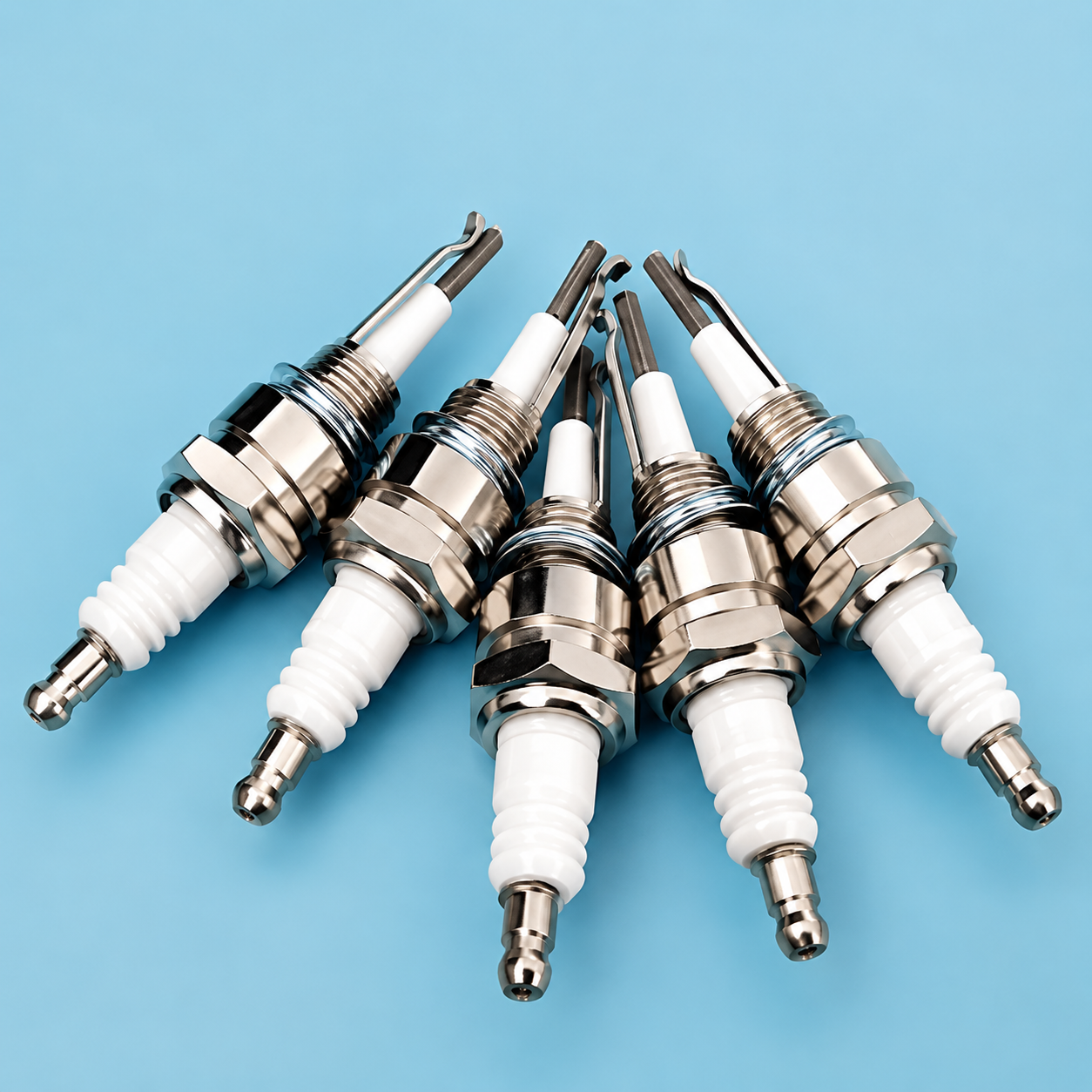
An alumina plug is a specialized ceramic component manufactured from alumina, also known as aluminum oxide. It is designed for applications where resistance to heat, chemicals, electrical current, and mechanical wear is important. Alumina is one of the most widely used technical ceramic materials because it combines hardness, thermal stability, electrical insulation, and chemical resistance in a single material. Alumina plugs are therefore useful in industrial equipment, laboratory systems, furnaces, heating applications, electrical assemblies, ceramic processing, and other demanding environments. Understanding the characteristics, uses, advantages, and selection factors of an alumina plug can help users choose a suitable ceramic solution for their specific application.
What Is an Alumina Plug?
An alumina plug is a ceramic plug made primarily from aluminum oxide and is commonly used to close, protect, support, or electrically isolate openings and components in specialized equipment. Unlike conventional plugs made from plastic, rubber, or certain metals, an alumina plug can withstand demanding temperatures and provide excellent electrical insulation. Depending on the application, an alumina plug may have a cylindrical, tapered, flat, threaded, or custom-designed shape. Its dimensions and material composition are selected according to the equipment in which it will be installed. The combination of ceramic strength, thermal stability, and chemical resistance makes alumina plugs suitable for environments where ordinary materials may lose their performance.
Why Is Alumina Used for Plugs?
Alumina is used for manufacturing plugs because it provides several valuable properties that are important in demanding industrial and technical environments. The material has excellent thermal stability, high hardness, good wear resistance, strong electrical insulation, and resistance to many chemicals. These properties allow an alumina plug to perform reliably in situations involving elevated temperatures, electrical components, corrosive substances, and continuous industrial operation. Alumina also maintains its structural characteristics better than many conventional materials when exposed to harsh conditions. Because of these advantages, alumina plugs are often selected when reliability and long-term performance are more important than flexibility.
Properties of Alumina Plug
The properties of an alumina plug depend on the grade, purity, manufacturing process, shape, and application conditions, but alumina is generally recognized for its high hardness, thermal stability, electrical insulation, chemical resistance, and dimensional stability. Its hardness helps the plug resist surface wear and abrasion, while its thermal properties make it suitable for high-temperature equipment. Alumina also provides effective electrical isolation, which is valuable in heating and electronic systems. Its resistance to many chemicals allows it to function in selected laboratory and industrial environments without rapid degradation. These combined characteristics make alumina plugs useful where several performance requirements must be met by a single component.
Alumina Plug for High-Temperature Applications
High-temperature performance is one of the most important reasons alumina plugs are used in industrial and laboratory equipment because alumina can maintain its ceramic structure under temperatures that would cause many plastic or rubber materials to soften, deform, or deteriorate. Alumina plugs can be incorporated into furnaces, heating systems, thermal processing equipment, laboratory instruments, and ceramic manufacturing systems. They may be used to close openings, protect internal components, provide insulation, or support parts exposed to heat. The actual temperature capability depends on the alumina grade, surrounding atmosphere, thermal cycling, mechanical stress, and overall equipment design, so the plug should always be selected according to the real operating environment.
Alumina Plug for Electrical Insulation
An alumina plug can provide excellent electrical insulation, making it valuable in applications where conductive components must remain separated or protected from unwanted electrical contact. Alumina is widely used as an insulating ceramic because it can combine electrical insulation with thermal stability, which is particularly useful in heating equipment, electrical assemblies, sensors, laboratory instruments, and industrial systems. A ceramic plug may help maintain separation between components while also resisting heat generated during operation. The electrical performance of the material can be influenced by temperature, purity, moisture, surface condition, and operating environment, so the appropriate alumina specification should be selected for the intended electrical application.
Common Industrial Applications of Alumina Plug
Alumina plugs are used in various industrial applications where conventional materials may not provide sufficient thermal, chemical, or electrical performance. They can be found in furnace systems, heating equipment, laboratory devices, ceramic processing machinery, electrical assemblies, chemical processing environments, and specialized manufacturing equipment. In some applications, the plug functions as a closure, while in others it provides insulation, component protection, or structural support. The ability of alumina to operate in demanding conditions makes it particularly useful for equipment that must maintain reliable performance during continuous or repeated operation.
Alumina Plug in Laboratory Equipment
Laboratories often require materials that can tolerate heat, chemicals, and repeated handling without introducing unwanted contamination into an experiment or process. Alumina plugs can be useful in laboratory furnaces, heating systems, ceramic tubes, sample processing equipment, and specialized laboratory apparatus. Their thermal stability allows them to be used around high-temperature processes, while their chemical resistance can provide useful protection in selected laboratory environments. Alumina is also valued for its electrical insulating properties, which can be important in laboratory equipment containing heating elements, sensors, or electrical connections. The exact suitability of a plug should be evaluated based on the chemicals, temperatures, and procedures involved.
Alumina Plug in Furnace Systems
Furnaces operate under demanding thermal conditions, making material selection especially important for components located near heated areas. An alumina plug can be used in furnace systems as a closure, insulator, support component, or protective element depending on the equipment design. Alumina's ability to tolerate elevated temperatures allows it to remain stable where many conventional materials would fail. Its resistance to thermal degradation and electrical conductivity can also make it useful around heating elements and furnace components. Proper design is important because ceramic materials can be sensitive to sudden temperature changes and mechanical impact, particularly during installation and repeated heating and cooling cycles.
Chemical Resistance of Alumina Plug
Chemical resistance is another important advantage of alumina plugs because alumina can withstand exposure to many chemical environments better than numerous conventional materials. This property makes alumina useful in selected chemical processing, laboratory, and manufacturing applications where components may come into contact with aggressive substances. However, chemical resistance is not identical in every environment, and the actual compatibility depends on the chemical involved, concentration, temperature, exposure duration, and operating conditions. Users should therefore evaluate the specific chemical environment before selecting an alumina plug. Choosing the appropriate ceramic grade can help improve reliability and reduce the possibility of premature material degradation.
Mechanical Strength and Durability
Alumina plugs are valued for their hardness, wear resistance, and ability to maintain their shape under demanding conditions, which can contribute to long service life when the component is correctly designed and installed. Although alumina is a strong ceramic material, it is also relatively brittle compared with flexible materials and certain metals. This means that impact, sudden mechanical loading, and improper installation can cause cracking or chipping. When used under appropriate conditions, however, an alumina plug can provide excellent resistance to abrasion and surface wear. Careful handling and suitable design are therefore important for obtaining the best performance from the component.
Types of Alumina Plug
Alumina plugs can be manufactured in various shapes and designs to accommodate different equipment requirements and installation methods. Cylindrical plugs may be suitable for straightforward openings, while tapered designs can provide a more secure fit in compatible applications. Flat or disc-shaped ceramic plugs may be used where a surface closure or insulating barrier is required. Custom alumina plugs can also be manufactured with specific dimensions, grooves, holes, shoulders, or other features when standard designs are not suitable. The correct design depends on the opening, sealing requirements, temperature, mechanical conditions, electrical requirements, and intended use of the component.
High-Purity Alumina Plug
High-purity alumina plugs are designed for applications where enhanced material performance and purity are important considerations. Higher alumina content can provide desirable characteristics such as strong thermal stability, electrical insulation, chemical resistance, and improved performance in demanding environments. These plugs may be considered for specialized laboratory equipment, advanced manufacturing systems, high-temperature processing, electrical applications, and other technical environments. The choice between different alumina grades should be based on actual application requirements rather than purity alone because factors such as operating temperature, mechanical stress, chemical exposure, and dimensional requirements also influence the final performance of the plug.
Benefits of Alumina Plug
An alumina plug offers several benefits, including high-temperature resistance, excellent electrical insulation, strong hardness, good wear resistance, chemical stability, and long-term durability under suitable operating conditions. These properties allow alumina plugs to perform effectively in environments where plastic, rubber, or some metal components may not be appropriate. Another important benefit is versatility because the material can be manufactured into different shapes and sizes for specialized equipment. Alumina plugs can also reduce the need for frequent replacement when they are correctly matched to the operating environment. Their combination of thermal, electrical, chemical, and mechanical properties makes them a practical option for many technical applications.
Alumina Plug Compared With Plastic Plugs
Alumina plugs and plastic plugs are designed for different operating conditions, with alumina generally being more suitable for high-temperature and electrically insulating applications. Plastic plugs can provide flexibility, impact resistance, and cost advantages in ordinary environments, but many plastics may soften, deform, or degrade when exposed to high temperatures. Alumina can maintain its structure under much more demanding thermal conditions and can also provide better resistance to certain chemicals. However, plastic can be preferable when flexibility and impact resistance are the main requirements. The correct choice therefore depends on the operating temperature, chemical environment, mechanical requirements, electrical needs, and overall equipment design.
Alumina Plug Compared With Metal Plugs
Metal plugs can provide excellent toughness, impact resistance, and mechanical strength, but they conduct electricity and heat, which may not be desirable in every application. Alumina plugs offer electrical insulation and can provide strong resistance to high temperatures and corrosion in appropriate environments. This makes them useful where isolation between electrical components or protection from thermal conditions is required. On the other hand, alumina is more brittle than most metals and may require more careful handling. The choice between alumina and metal should therefore be based on the specific balance of thermal, electrical, chemical, and mechanical requirements.
How to Choose the Right Alumina Plug
Choosing the right alumina plug requires an understanding of the conditions in which the component will operate. Temperature should be considered first because the ceramic grade needs to withstand the expected thermal environment. Dimensions and tolerances are also important because an incorrect fit can create unwanted mechanical stress. Chemical exposure should be reviewed to ensure that the selected alumina grade is appropriate for the surrounding substances. Electrical insulation requirements, mechanical loading, thermal cycling, surface finish, and installation method should also be evaluated. Selecting a plug based on the complete application rather than a single property can improve reliability and service life.
Alumina Plug Manufacturing Process
The manufacturing of an alumina plug generally involves preparing alumina ceramic material, forming it into the required shape, and processing it under controlled conditions to achieve the desired density and performance. Depending on the design, different forming methods can be used to create standard or customized shapes. The shaped component is then subjected to controlled thermal processing that develops its ceramic structure and final characteristics. Additional finishing may be performed when precise dimensions, smooth surfaces, or specialized geometries are required. Quality control during manufacturing is important because dimensional accuracy, density, surface condition, and structural integrity can all influence how effectively the finished alumina plug performs.
Proper Handling of Alumina Plug
Although alumina is hard and durable, alumina plugs should be handled carefully because ceramic materials can be damaged by sudden impact or excessive mechanical force. A plug should be inspected for cracks, chips, or visible defects before installation, particularly when it will be used in a high-temperature or critical application. During installation, excessive force should be avoided because ceramic components do not have the same flexibility as plastic or rubber parts. Clean contact surfaces can also help prevent uneven loading. Proper storage, careful transportation, and appropriate installation practices can help protect the plug from unnecessary damage and improve its service performance.
Thermal Shock Considerations
Thermal shock is an important consideration when using alumina plugs in applications involving rapid temperature changes. Even though alumina has excellent thermal stability, sudden heating or cooling can create internal stresses within ceramic components. Repeated thermal cycling can also affect the long-term reliability of a component if the operating conditions are not considered during design. Gradual heating and cooling may help reduce unnecessary thermal stress when the equipment allows it. The thermal expansion characteristics of the alumina grade, plug geometry, surrounding materials, and installation method should all be considered when designing a system that experiences significant temperature changes.
Custom Alumina Plug Solutions
Custom alumina plugs can be useful when standard ceramic components cannot meet the dimensional or functional requirements of specialized equipment. A custom plug may be designed around a particular opening, assembly, heating system, laboratory instrument, or electrical component. Customization can involve the overall shape, dimensions, holes, grooves, shoulders, surface finish, or other features needed for installation and performance. When developing a custom alumina plug, the operating temperature, chemical exposure, electrical requirements, mechanical stresses, tolerances, and installation conditions should be considered together. This approach helps create a component that is better suited to the actual application.
Why Alumina Plug Is Important for Modern Applications
Modern industrial and laboratory systems increasingly require materials capable of operating reliably under challenging conditions. High temperatures, chemical exposure, electrical requirements, and continuous processing can place significant demands on individual components. Alumina plugs offer a combination of properties that can address several of these challenges at the same time. Their thermal stability makes them useful in heating environments, their electrical insulation supports electrical applications, and their hardness and chemical resistance contribute to durability. As technical ceramic applications continue to expand, alumina plugs remain useful components for equipment that requires reliable performance under demanding operating conditions.
Frequently Asked Questions About Alumina Plug
What is an alumina plug used for?
An alumina plug is used to close, protect, support, or electrically isolate components in demanding environments where heat resistance, chemical resistance, durability, or electrical insulation is required. Common applications include laboratory equipment, furnace systems, heating assemblies, electrical components, ceramic processing equipment, and selected chemical processing systems.
Is an alumina plug suitable for high temperatures?
Yes, alumina plugs are widely used in high-temperature applications because alumina has excellent thermal stability. The suitable operating temperature depends on the specific alumina grade, plug design, surrounding atmosphere, thermal cycling, and mechanical conditions, so the component should be selected according to the requirements of the intended application.
Is an alumina plug electrically insulating?
Yes, alumina is an excellent electrical insulating ceramic and is commonly used in applications where electrical separation is necessary. An alumina plug can help isolate components while also providing thermal stability, making it useful in heating systems, electrical assemblies, sensors, and specialized industrial equipment.
Is alumina resistant to chemicals?
Alumina provides strong resistance to many chemical environments, which is one reason it is used in laboratory and industrial applications. However, chemical compatibility depends on the particular substance, concentration, temperature, and exposure conditions, so the specific operating environment should always be considered.
Can alumina plugs be customized?
Yes, alumina plugs can be manufactured in different shapes, sizes, and configurations according to application requirements. Custom designs can include specialized dimensions, openings, grooves, shoulders, or other features needed to achieve the required fit and function.
Are alumina plugs durable?
Alumina plugs can provide excellent durability because alumina has high hardness, good wear resistance, strong thermal stability, and useful chemical resistance. However, alumina is a ceramic material and can be brittle, so careful handling and proper installation are important to prevent cracking or chipping.
What industries use alumina plugs?
Alumina plugs can be used in laboratory equipment, industrial furnaces, heating systems, electrical and electronic equipment, ceramic manufacturing, chemical processing, and specialized production machinery. Their exact use depends on the required thermal, electrical, chemical, and mechanical properties.
How should an alumina plug be selected?
An alumina plug should be selected according to its operating temperature, dimensions, alumina grade, chemical environment, electrical requirements, mechanical loading, thermal cycling, and installation conditions. Considering all these factors can help ensure that the selected plug performs reliably.
Conclusion
An alumina plug is a highly useful technical ceramic component for applications that require thermal stability, electrical insulation, chemical resistance, hardness, and reliable performance. Its unique material properties allow it to function in demanding environments where conventional plastic, rubber, or metal plugs may not provide the required combination of characteristics. From laboratory equipment and furnace systems to electrical assemblies and industrial processing equipment, alumina plugs can serve several important purposes.
Selecting the appropriate alumina plug requires careful attention to the operating environment, including temperature, chemical exposure, mechanical stress, dimensions, electrical requirements, and thermal cycling. Proper manufacturing, handling, installation, and storage are equally important for achieving dependable performance. With the right specification and application design, an alumina plug can provide a durable and effective ceramic solution for demanding technical and industrial requirements.

 English
 Arabic
 Spanish
 Portuguese
 Deutsch
 Turkish
 Dutch
Dutch
 Italiano
 Russian
 Romaian
 Portuguese (Brazil)
 Greek
Greek