


How AI is Reshaping Human Roles and Relationships at Work
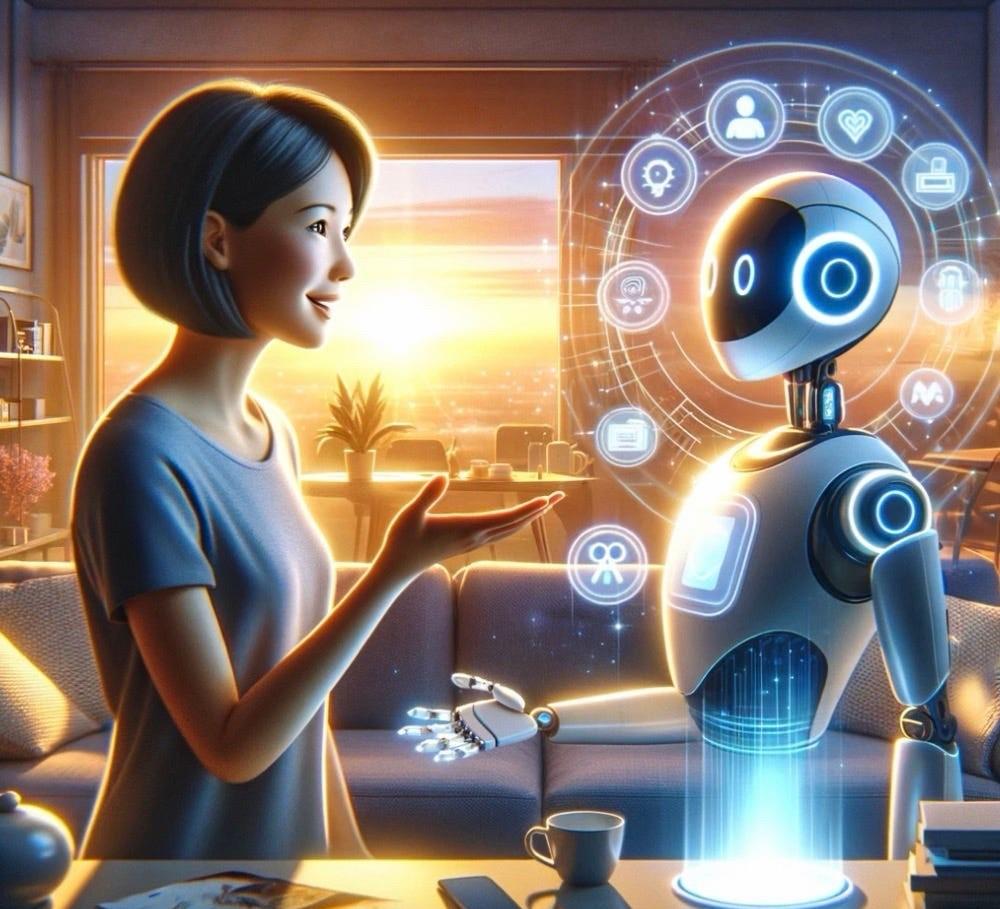
Artificial intelligence is changing how people communicate, collaborate, and manage their daily responsibilities in the workplace. From automating repetitive tasks to supporting creative decisions, AI is influencing professional roles and the relationships employees build with colleagues. Although these tools can save time and simplify communication, they also raise questions about trust, emotional connection, and the value of human judgment. As businesses adopt AI-driven solutions, employees must learn to work alongside intelligent systems while maintaining meaningful relationships, personal accountability, and the human qualities that make teamwork successful.
This article examines how AI is reshaping human roles and workplace relationships, highlighting collaboration, communication, employee well-being, and the importance of keeping people at the center of business decisions.
How AI is Changing Everyday Responsibilities at Work
AI is reshaping human roles by taking over repetitive activities and helping employees focus on tasks that require creativity, critical thinking, and personal judgment. From drafting reports to organizing schedules, intelligent systems can support daily operations and reduce unnecessary workloads.
For example, customer support teams can use AI to categorize incoming requests, while marketing professionals can generate initial content ideas. Similarly, project managers can use AI-powered tools to summarize meetings and track deadlines.
However, automation does not mean every human responsibility will disappear. Employees still need to review information, make informed decisions, and handle situations that require empathy or professional experience.
As responsibilities change, workers must develop new skills and learn when AI-generated suggestions are useful. Consequently, businesses should provide training that helps employees adapt without feeling that technology is replacing their value.
Workplace Communication Is Becoming More Connected
Communication is one of the clearest areas where AI is changing professional relationships. Intelligent assistants can summarize lengthy discussions, prepare meeting notes, translate messages, and help teams communicate across different languages.
These capabilities can make collaboration easier, particularly for remote employees and teams working across time zones. In the same way, AI-powered writing assistants can help employees express their ideas more clearly and professionally.
Still, workplace communication involves more than exchanging accurate information. Tone, timing, body language, and emotional awareness often determine how a message is received.
Employees should therefore treat AI-generated communication as a starting point rather than a substitute for personal interaction. A thoughtful conversation with a colleague can resolve misunderstandings more effectively than an automated response.
Human Relationships Still Matter in an AI-Driven Office
Strong workplace relationships depend on trust, respect, cooperation, and shared responsibility. AI can support these qualities indirectly, but it cannot automatically create genuine friendships or replace the emotional connection developed through human experiences.
For instance, a team leader may use AI to identify project delays, yet resolving the problem requires listening to employees and understanding the reasons behind those delays. Likewise, colleagues need patience and mutual respect when working through disagreements.
Employees should continue making time for meaningful conversations, collaborative brainstorming, and informal discussions. These interactions help people feel valued rather than treated as interchangeable parts of a business process.
There is also a growing interest in personalized digital companionship. People who create your AI girlfriend may appreciate customized conversations and responsive digital interaction in their personal lives. However, professional relationships require different boundaries, responsibilities, and expectations.
New Skills Are Becoming Essential for Employees
As AI becomes part of everyday business operations, employees need a combination of technical knowledge and interpersonal skills. Knowing how to operate an AI tool is useful, but knowing when to question its output is equally important.
Some valuable skills for modern workplaces include:
-
Critical thinking: Checking AI-generated information before using it in important decisions.
-
Communication: Explaining ideas clearly and listening carefully to colleagues.
-
Adaptability: Learning new tools as responsibilities and workflows change.
-
Emotional intelligence: Recognizing colleagues' concerns and responding with empathy.
-
Digital literacy: Understanding how AI systems work, where they can fail, and how information should be handled.
-
Creative problem-solving: Developing original solutions when automated recommendations are insufficient.
Similarly, managers must learn to evaluate employee performance fairly when AI contributes to the final output. Productivity should not be measured only through the volume of completed tasks. Quality, collaboration, judgment, and responsible decision-making also deserve attention.
How AI Can Support Better Teamwork
AI can help teams coordinate their work by organizing information, identifying missing details, and reducing administrative pressure. When employees spend less time managing routine tasks, they may have more opportunities to exchange ideas and support colleagues.
For example, an AI meeting assistant can prepare a summary of decisions and assign follow-up actions. Team members can then focus on discussing solutions instead of reconstructing everything that happened during a meeting.
However, successful collaboration requires clear boundaries. Employees should know which decisions can be delegated to AI and which require human approval.
Businesses can support healthier teamwork through practical measures:
-
Establish clear policies for responsible AI use.
-
Encourage employees to verify important AI-generated information.
-
Protect confidential business and customer information.
-
Provide training before introducing unfamiliar systems.
-
Maintain open discussions about automation and changing responsibilities.
-
Ensure that employees can question automated recommendations without fear of criticism.
These measures help organizations use technology responsibly while preserving the trust that makes teams effective.
Digital Interactions and Professional Boundaries
As people become accustomed to conversational AI, expectations around digital interactions may change. Some employees may appreciate AI assistants that provide immediate answers, while others may worry about losing opportunities for direct communication.
Interest in character AI roleplay also reflects the demand for interactive digital experiences that respond to individual preferences. Although these experiences can serve personal entertainment needs, they should not be confused with the mutual accountability required in professional relationships.
In a workplace, AI should support communication rather than create unnecessary distance between colleagues. For example, an automated assistant can prepare feedback, but a manager should deliver sensitive performance discussions personally.
In addition, employees need clear expectations about monitoring, privacy, and the use of AI-generated content. Transparency helps prevent misunderstandings and reassures workers that technology is being introduced to support business goals rather than quietly undermine their autonomy.
Keeping Human Judgment at the Center of Workplace Decisions
AI systems can process information and identify patterns, but their recommendations may still contain errors, reflect biased data, or miss important context. Therefore, organizations should not rely on automated output without appropriate human review.
Hiring, promotions, performance evaluations, and conflict resolution are particularly sensitive areas. Decisions in these situations can affect people's careers, confidence, and financial stability.
Managers must remain accountable for the choices they make, even when AI tools contribute to the process. They should also give employees opportunities to question decisions and request explanations when automated systems influence workplace outcomes.
Admittedly, human oversight requires time and effort. Nevertheless, it helps organizations balance efficiency with fairness and responsibility.
The strongest approach combines the speed of AI with human experience, ethical judgment, and an awareness of individual circumstances. This balance allows technology to support better decisions without diminishing the dignity of employees.
Conclusion
AI is reshaping human roles by changing daily responsibilities, communication practices, and the way colleagues collaborate. Although intelligent systems can reduce repetitive work and support faster decisions, genuine workplace relationships still depend on empathy, trust, and accountability. Businesses must invest in employee training, establish responsible AI policies, and preserve opportunities for direct human interaction. Ultimately, the goal should not be to replace people with technology but to help them work more effectively together. A balanced approach can create workplaces where innovation supports productivity while keeping human connection at the heart of professional life.

 English
 Arabic
 French
 Spanish
 Portuguese
 Deutsch
 Turkish
 Dutch
 Italiano
 Russian
 Romaian
 Greek