


Why Engine Cleanliness Matters in Marine Diesel Lubrication
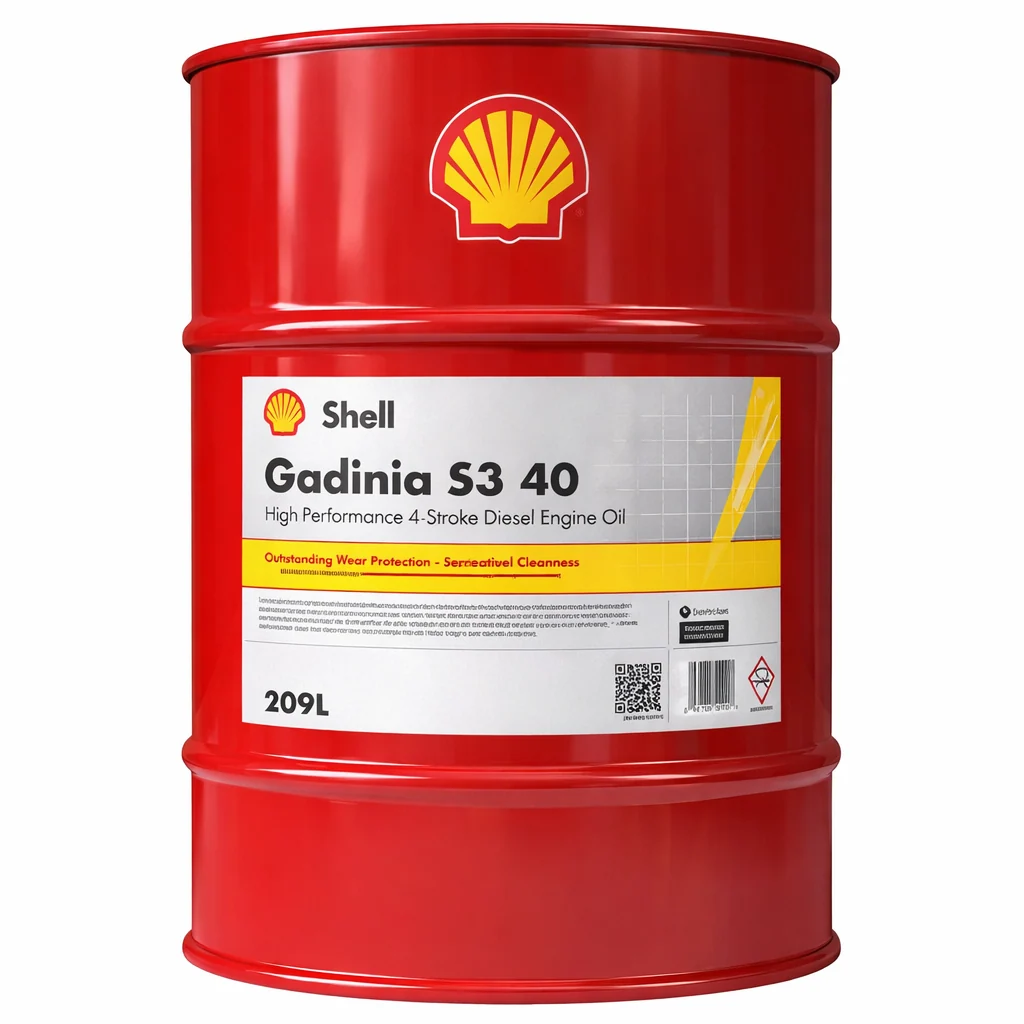
Marine diesel engines operate under demanding conditions, including continuous workloads, high temperatures, heavy loads, and changing operating environments. To maintain reliable performance, these engines need effective lubrication that reduces friction, controls deposits, and protects critical components from wear. One important factor in achieving this is engine cleanliness.
Shell Gadinia S3 40 is a marine engine oil designed for specific marine engine applications. Choosing the right lubricant and following a proper maintenance schedule can help operators manage deposits, reduce unnecessary maintenance, and support dependable engine operation. For shipowners, marine engineers, and fleet managers looking for reliable lubricants in the UAE, understanding engine cleanliness is an important step towards better equipment care.
This guide explains why engine cleanliness matters in marine diesel lubrication, how the right oil supports engine protection, and what to consider when selecting a lubricant.
What Is Engine Cleanliness in Marine Diesel Engines?
Engine cleanliness refers to the control of soot, carbon deposits, sludge, and other contaminants that can accumulate inside an engine during operation. These deposits may develop when fuel combustion produces residue or when oil deteriorates under heat and oxidation.
If contaminants are not properly controlled, they can interfere with lubrication, restrict oil flow in affected areas, and contribute to increased component wear. Deposits may also reduce the efficiency of heat transfer from engine components.
Maintaining engine cleanliness involves using a lubricant suitable for the engine design, monitoring oil condition, maintaining filtration systems, and following the manufacturer's recommended service intervals.
Why Engine Cleanliness Matters in Marine Diesel Lubrication
1. Reduces Engine Wear
Marine diesel engines contain moving components that operate under substantial mechanical loads. Lubricating oil forms a protective film between metal surfaces, helping reduce direct contact and friction.
When deposits and contaminants accumulate, they may interfere with effective lubrication and contribute to abrasive wear. Using an appropriate marine engine oil, such as Shell Gadinia S3 40 where specified by the engine manufacturer, helps support component protection and reliable operation.
2. Helps Control Sludge and Carbon Deposits
Sludge and carbon deposits can affect engine performance and increase maintenance requirements. Their formation depends on several factors, including fuel quality, operating temperature, combustion conditions, oil degradation, and maintenance practices.
A suitable lubricant formulated for the intended application helps manage deposits and maintain effective lubrication. However, oil selection alone cannot eliminate every source of contamination. Regular inspections and correct operating procedures remain essential.
3. Supports Reliable Engine Operation
Unexpected engine problems can disrupt vessel schedules and increase operating expenses. Excessive deposits, contaminated oil, and inadequate lubrication may contribute to maintenance issues and reduced reliability.
Maintaining clean engine internals helps marine operators support consistent performance and reduce the risk of problems associated with poor lubrication practices. Routine oil analysis can also help identify abnormal contamination or changes in oil condition before they develop into more serious concerns.
4. Helps Manage Maintenance Costs
Marine engine maintenance involves labor, replacement parts, inspection time, and potential operational interruptions. Poor oil management can increase the frequency of maintenance and create avoidable expenses.
Selecting the correct lubricant, maintaining suitable oil levels, and replacing oil according to the manufacturer's recommendations can help control these costs. Operators should evaluate the complete maintenance program rather than extending oil-change intervals without technical justification.
How Shell Gadinia S3 40 Supports Marine Engine Maintenance
Shell Gadinia S3 40 is a marine lubricant intended for applications specified by the product's technical documentation. Its suitability depends on the engine type, operating conditions, fuel characteristics, and the manufacturer's lubrication requirements.
Before selecting this oil, marine operators should verify the current product data sheet and confirm that its specifications match the intended engine application. Vessels with different engine designs or operating requirements may need different lubricant formulations.
For best results, operators should:
-
Check the engine manufacturer's lubricant recommendations.
-
Monitor oil pressure, temperature, and consumption.
-
Inspect filtration systems and follow recommended replacement schedules.
-
Arrange periodic oil-condition testing where appropriate.
-
Investigate unusual deposits, contamination, or changes in oil performance.
These measures help ensure that the lubricant and maintenance program work together to protect the engine.
Choosing Reliable Lubricant Companies in UAE
The UAE is an important center for shipping, marine services, and industrial operations. Shipowners and fleet operators need access to suitable lubricants and dependable technical support to maintain their equipment.
When comparing lubricant companies in UAE, consider the following factors:
Genuine products: Purchase lubricants through reputable suppliers who can provide appropriate product identification and documentation.
Technical information: Check whether the supplier can provide the latest technical data sheet, safety data sheet, and guidance on application suitability.
Product availability: Reliable supply arrangements can help reduce delays during planned maintenance and lubricant replenishment.
Application knowledge: A knowledgeable supplier should help verify product specifications against engine requirements rather than recommending an oil based only on its viscosity grade.
Storage and handling: Correct storage and clean handling practices help protect lubricant quality before it enters the engine.
Working with a dependable lubricant supplier can make it easier to source Shell Gadinia S3 40 when it is suitable for the application and maintain a consistent lubrication program.
Conclusion
Engine cleanliness is essential for protecting marine diesel engines, supporting reliable performance, and managing maintenance expenses. Controlling deposits, monitoring oil condition, and following the correct maintenance procedures all contribute to effective marine diesel lubrication.
Shell Gadinia S3 40 may be a suitable option for applications that meet its specifications and the engine manufacturer's requirements. Before purchasing, verify the latest product documentation and consult a qualified lubricant supplier.
Frequently Asked Questions (FAQs)
1. What is Shell Gadinia S3 40 used for?
Shell Gadinia S3 40 is a marine lubricant intended for specified marine engine applications. Always check the product data sheet and engine manufacturer's recommendations before use.
2. Why is engine cleanliness important in marine diesel engines?
Engine cleanliness helps control deposits, sludge, and contaminants that can interfere with lubrication, contribute to component wear, and increase maintenance requirements.
3. How often should marine diesel engine oil be changed?
Oil-change intervals depend on the engine manufacturer's guidance, operating conditions, fuel quality, and oil analysis results. Follow the recommended service schedule rather than relying on a universal interval.
4. How can I find reliable lubricant companies in UAE?
Look for established suppliers offering genuine products, technical documentation, suitable stock availability, and guidance on matching lubricants to your engine's requirements.

 English
 Arabic
 French
 Spanish
 Portuguese
 Deutsch
 Turkish
 Dutch
 Italiano
 Russian
 Romaian
 Portuguese (Brazil)