


How Traceability Software Development Services Improve Supply Chain Transparency
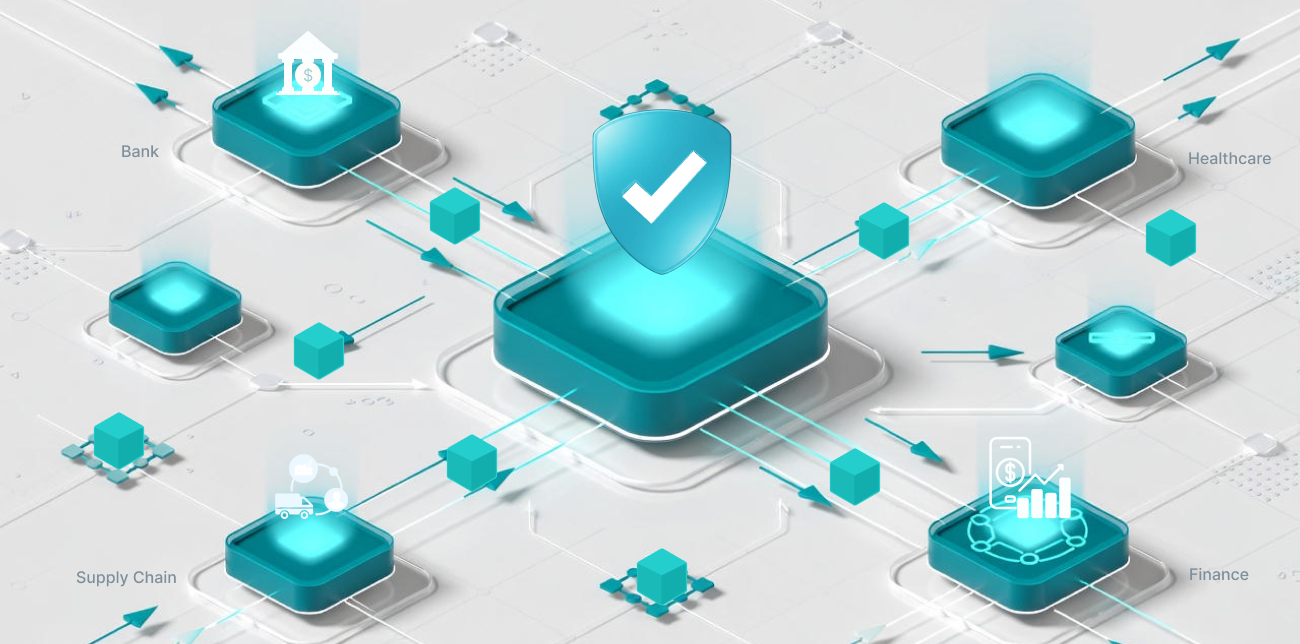
Modern supply chains involve manufacturers, suppliers, distributors, logistics companies, and retailers. When product information is scattered across different systems, businesses can struggle to verify product origins, track shipments, maintain accurate records, and respond quickly to quality issues. Digital traceability offers a structured way to connect product information across these stages.
Traceability Software Development Services help businesses build digital systems that record product movement, monitor important events, and make supply chain information easier to access. By combining software integration, automated data collection, and blockchain technology where appropriate, organizations can improve visibility and establish more reliable records throughout a product's lifecycle.
What Are Traceability Software Development Services?
Traceability software enables businesses to follow products, materials, or assets from their origin to their final destination. Depending on the industry, a system may record supplier details, batch numbers, manufacturing dates, transportation events, storage conditions, and delivery information.
Professional traceability software development involves understanding the business workflow, identifying the data that must be recorded, designing an appropriate system architecture, and integrating the solution with existing business applications.
Common capabilities include:
-
Product identification using QR codes, barcodes, or digital identifiers
-
Batch and shipment tracking
-
Supplier and manufacturer data management
-
Integration with ERP, inventory, and logistics systems
-
Role-based access to product information
-
Reporting, audit trails, and traceability dashboards
-
Blockchain-based records for selected verification requirements
The right features depend on the products being tracked, the stakeholders involved, and the regulatory or operational requirements of the business.
Why Businesses Need Digital Traceability
Traditional tracking processes often depend on spreadsheets, paper records, and disconnected databases. These methods may create delays when businesses need to investigate a product issue or verify information across multiple suppliers.
A well-designed traceability system can help organizations:
Improve supply chain visibility: Connect product events and shipment information so authorized stakeholders can understand where products have been and what has happened to them.
Support faster investigations: Searchable batch records can help teams identify affected products and narrow the scope of a quality investigation.
Strengthen accountability: Clear records of product handling and transfers can help businesses understand which parties were responsible at different stages.
Improve data management: Integration between business systems can reduce repetitive manual entry and make relevant information easier to retrieve.
Support compliance processes: Structured records can assist with audits and documentation requirements, although businesses must still ensure their systems meet the applicable regulations.
Traceability does not automatically guarantee product safety or regulatory compliance. Its effectiveness depends on accurate source data, suitable controls, and consistent participation across the supply chain.
How Blockchain Supports Product Traceability
Blockchain can provide a shared record of selected supply chain events across participating organizations. Once a transaction is validated and recorded, changing that historical record can be difficult, depending on the network's architecture and governance.
For example, a manufacturer could record a product batch's creation, a distributor could record its receipt, and a logistics provider could document a transfer. Authorized participants could then verify the recorded history without relying entirely on one organization's internal database.
Blockchain-based traceability may offer several advantages:
-
Record integrity: Helps protect recorded events against unauthorized alteration.
-
Shared visibility: Enables participating organizations to access permitted records.
-
Process automation: Smart contracts can automate selected business rules and transaction checks.
-
Product verification: Digital records can support checks on provenance and product movement.
-
System integration: APIs and connected applications can transfer relevant information between business platforms.
However, blockchain cannot independently confirm whether information entered by a supplier is true. Businesses still need reliable data collection, identity verification, permissions, and appropriate validation processes.
Fish Traceability Services Provider: Improving Seafood Tracking
Seafood supply chains can involve fishing vessels, landing sites, processors, cold-storage facilities, transport providers, wholesalers, and retailers. Tracking information across these stages can be challenging when each participant maintains separate records.
A Fish Traceability Services Provider can help seafood businesses plan digital systems that capture important information at each stage of the product journey.
Depending on the operation, useful data may include:
-
Catch location and date, where applicable
-
Species and batch identification
-
Processing and packaging details
-
Storage and transportation events
-
Handover records between supply chain participants
-
Delivery and distribution information
QR codes or digital batch identifiers can connect physical seafood products with their digital records. Blockchain may be useful when multiple independent organizations need to share and verify selected events.
For example, a seafood processor could associate a batch identifier with processing details. A distributor could record the shipment handover, while a retailer could access approved origin and handling information.
Such systems can improve access to product history and help businesses investigate discrepancies. Their usefulness depends on the accuracy of the information recorded and the willingness of participants to maintain consistent records.
Medical Traceability Solution Development Services for Healthcare Supply Chains
Healthcare and pharmaceutical supply chains require careful management of product identity, movement, and handling. Manufacturers, distributors, pharmacies, hospitals, and other authorized parties may need to verify product details and maintain reliable transaction records.
Medical Traceability Solution Development Services can support the design of digital systems for tracking pharmaceutical products, medical supplies, and selected healthcare-related assets.
Potential capabilities include:
Product and batch identification: Digital identifiers can connect products with relevant manufacturing and distribution records.
Movement tracking: Authorized users can record transfers between warehouses, distributors, and healthcare facilities.
Verification workflows: Software can help users check product identifiers and associated records against approved data sources.
Audit trail management: Structured records can support investigations and internal documentation.
Enterprise integration: Connections with inventory, ERP, warehouse management, and other authorized systems can reduce information silos.
Healthcare implementations require particular attention to data privacy, access permissions, security, and applicable regulations. Systems should avoid exposing sensitive patient information unnecessarily. Blockchain may be suitable for selected audit and verification records, while confidential information may need to remain in appropriately secured systems.
Key Features to Consider When Developing Traceability Software
Before investing in a traceability platform, businesses should evaluate their operational needs and determine which capabilities provide practical value.
1. End-to-end tracking
The system should capture relevant events from product origin through distribution. Tracking requirements may vary by product type, industry, and supply chain structure.
2. Integration with existing systems
ERP platforms, warehouse management tools, IoT devices, and logistics software may already hold important information. Suitable integrations can reduce duplicate entry and improve data consistency.
3. Data security and access control
Different participants should have access only to the information they are authorized to view or update. Authentication, permissions, monitoring, and secure data exchange are important design considerations.
4. Scalable architecture
The solution should accommodate expected increases in products, transactions, users, and participating organizations without unnecessary complexity.
5. Reporting and audit capabilities
Searchable records and clear reports can help teams investigate product events, review transactions, and prepare documentation.
6. Appropriate technology selection
Not every traceability project requires blockchain. A conventional database may be sufficient when one organization controls the system and a shared ledger offers little additional value. Blockchain becomes more relevant when multiple parties need a coordinated record and have suitable governance arrangements.
How to Choose the Right Traceability Software Development Partner
Selecting a development partner requires more than reviewing a list of technologies. Businesses should evaluate whether a provider understands their industry, workflows, integration requirements, and data governance needs.
Consider these questions before making a decision:
-
Has the provider worked with comparable supply chain or tracking requirements?
-
Can it explain when blockchain is useful and when conventional software is more appropriate?
-
Does it have experience integrating enterprise systems and external data sources?
-
How will data accuracy, permissions, and security be managed?
-
What testing, deployment, monitoring, and maintenance services are available?
-
How will the project measure success?
A clearly defined proof of concept can help validate feasibility before a full implementation. Businesses can begin with one product category, shipment process, or supplier network, measure the results, and expand when the solution demonstrates value.
How PrimaFelicitas Supports Blockchain Traceability Solutions
PrimaFelicitas provides blockchain and software development capabilities for businesses exploring digital traceability and supply chain transparency. Its work in blockchain-based solutions can support organizations evaluating tracking workflows, secure recordkeeping, system integration, and decentralized application requirements.
Businesses considering a traceability project can review the available services and assess how a customized solution could fit their operational requirements.
Frequently Asked Questions
What are Traceability Software Development Services?
They involve designing and developing digital systems that record product identity, movement, handling events, and related information across a supply chain.
How can a Fish Traceability Services Provider help seafood businesses?
A provider can help design systems for capturing batch details, origin information, processing events, and distribution records to improve supply chain visibility.
Why are Medical Traceability Solution Development Services important?
They can help healthcare and pharmaceutical organizations organize product identification, distribution records, verification workflows, and audit information while considering security and regulatory requirements.
Is blockchain necessary for every traceability system?
No. Traditional databases may meet many requirements. Blockchain may be useful when multiple independent organizations need to share records and have appropriate governance and data validation processes.
Conclusion
Effective product traceability depends on reliable data, connected systems, and clearly defined workflows. Traceability Software Development Services can help businesses organize product information and improve visibility across complex supply chains.
From seafood origin tracking supported by a Fish Traceability Services Provider to pharmaceutical verification enabled by Medical Traceability Solution Development Services, the right software architecture should reflect the industry's specific needs.
By evaluating integration requirements, security, data accuracy, and long-term maintenance before development begins, organizations can build traceability systems that support accountability, informed decisions, and more transparent supply chain operations.

 English
 Arabic
 French
 Spanish
 Portuguese
 Deutsch
 Turkish
 Dutch
 Italiano
 Russian
 Romaian
 Greek