


Sustainable Kitchen Essentials: A Practical Guide to Reusable Home Textiles
Introduction
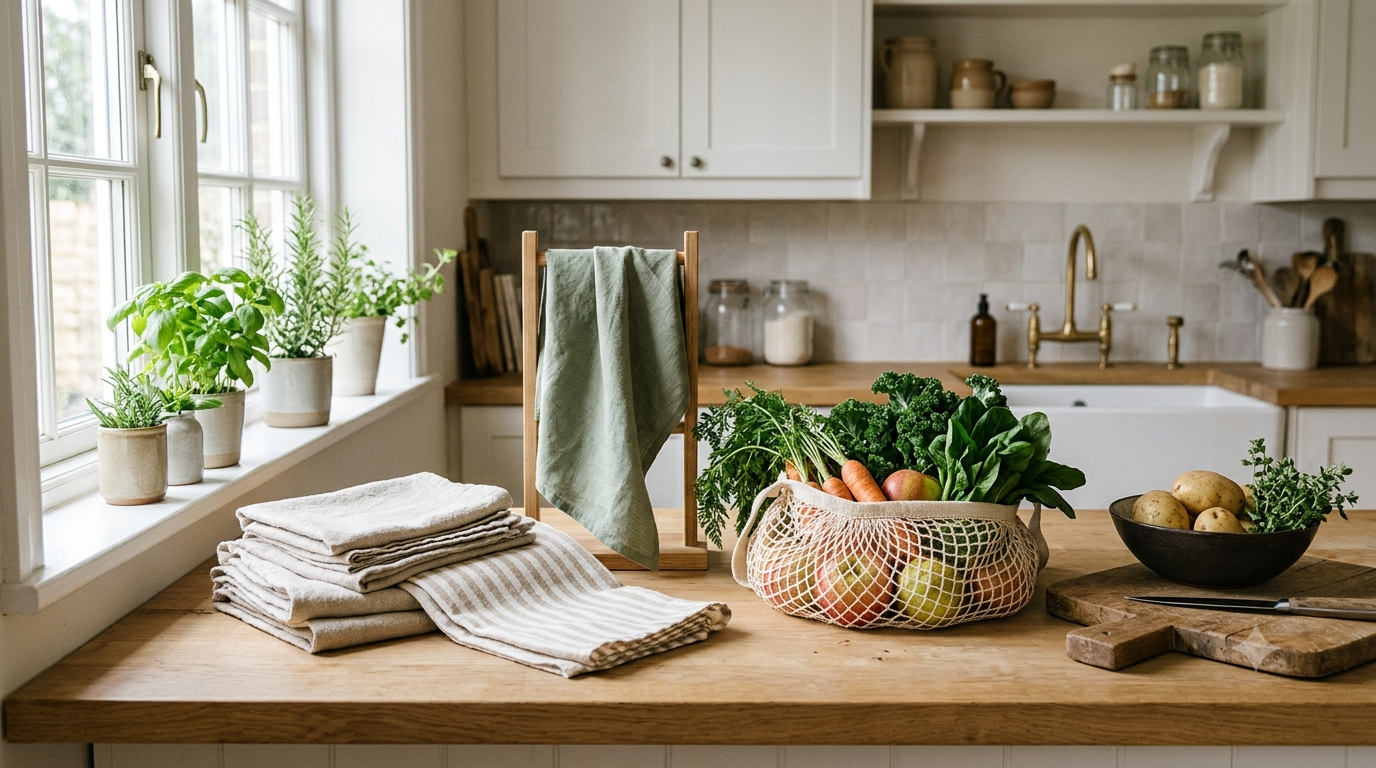
A well-organized home often begins with small, practical choices. From keeping kitchen surfaces clean to storing fresh produce and preparing meals, everyday household routines rely on products that are durable, versatile, and easy to maintain. Choosing reusable home textiles is one simple way to make these routines more convenient while reducing dependence on disposable alternatives.
Kitchen textiles serve many purposes beyond drying dishes. They help manage spills, keep countertops tidy, protect surfaces, and add warmth and character to a kitchen. Similarly, reusable fabric bags offer practical solutions for grocery shopping, produce storage, and everyday errands. When selected carefully, these household essentials can combine functionality, attractive design, and long-term usefulness.
Understanding the differences between cotton, linen, and mesh fabrics can help homeowners make informed decisions. Each material has distinct characteristics, making it suitable for particular tasks. With appropriate care and thoughtful use, reusable textile products can become dependable parts of a more organized household.
Choosing the Right Textiles for Everyday Kitchen Tasks
Kitchen textiles are among the most frequently used items in a home. They are useful during meal preparation, cleanup, serving, and general kitchen maintenance. Selecting the right fabric depends on its intended purpose, absorbency, texture, and ease of washing.
Kitchen Towels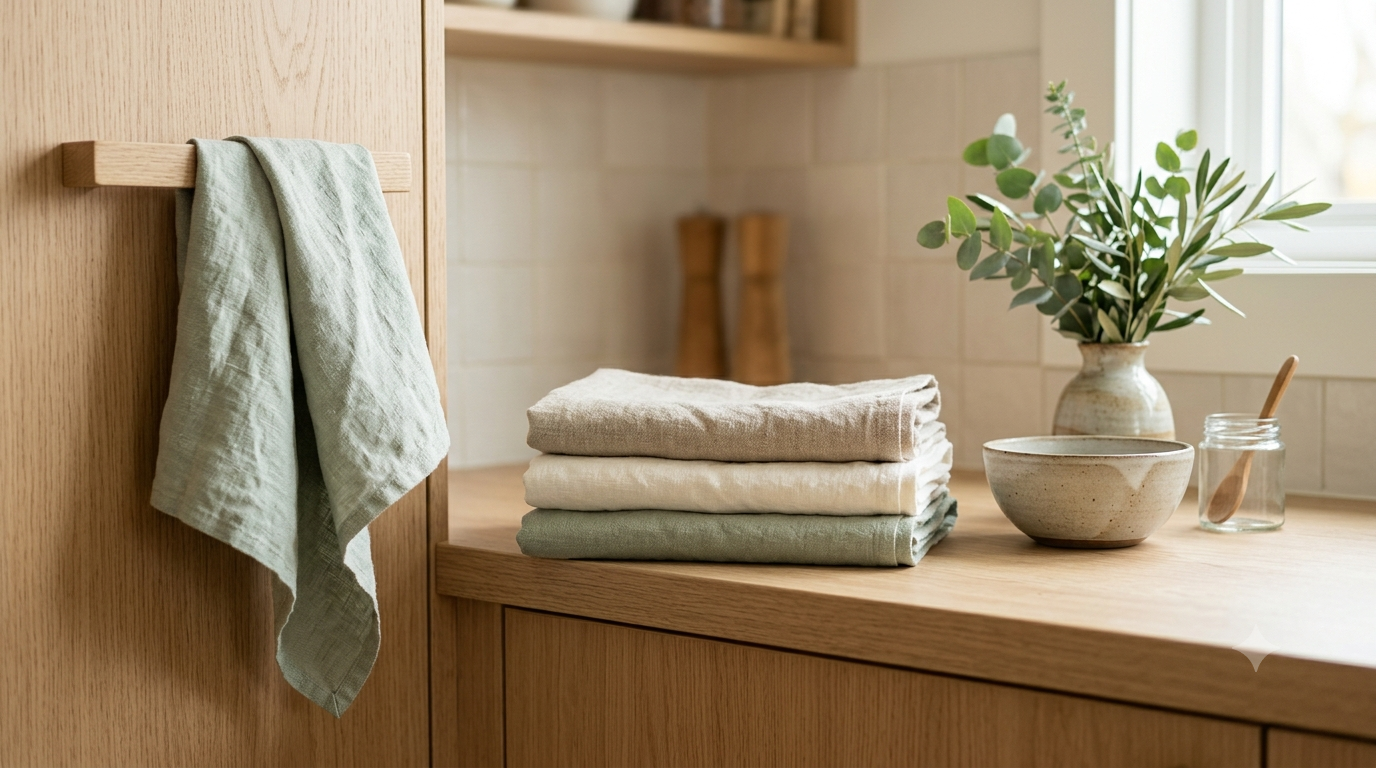 are versatile household essentials that can be used to dry washed dishes, wipe countertops, handle minor spills, and keep cooking areas organized. Cotton towels are often appreciated for their absorbency and softness, while different weaves provide varying levels of thickness and texture.
For example, a thicker towel can be useful for absorbing spills, whereas a lightweight towel may be more convenient for drying glassware and everyday utensils. Keeping separate towels for hands, dishes, and food preparation areas also supports better kitchen hygiene.
When choosing kitchen towels, consider their size, fabric composition, and drying requirements. Towels that fit comfortably in your hand and wash easily are more likely to become useful parts of your daily routine.
Matching Fabric to the Task
Different household activities benefit from different textile properties. Absorbent cotton is useful for everyday cleanup, while lighter fabrics may be more convenient for polishing delicate kitchenware. Durable construction and practical dimensions also matter when towels are used repeatedly.
It is helpful to keep a small collection of towels available rather than relying on a single towel for every task. Rotating clean towels throughout the week makes laundry easier to manage and helps prevent damp fabrics from remaining in use for too long.
Understanding Linen Textiles and Their Benefits
Linen is made from flax fibers and is valued for its distinctive texture, natural appearance, and ability to absorb moisture. Its relatively crisp feel gives kitchen textiles an understated look that works well in traditional, rustic, and contemporary interiors.
Linen Kitchen Towels can be useful for drying dishes, wiping clean surfaces, and polishing glassware, depending on the fabric's weave and construction. Lightweight linen towels can also be convenient when storage space is limited because many styles fold neatly into drawers or hang easily from kitchen hooks.
One appealing characteristic of linen is its natural texture. Rather than looking perfectly smooth, linen often develops a relaxed appearance that complements wooden countertops, ceramic dishes, and other natural materials. Neutral shades, stripes, and simple patterns can also help create a coordinated kitchen.
How to Care for Linen Towels
Proper care helps maintain the appearance and usefulness of linen textiles. Always check the manufacturer's washing instructions before laundering a new towel.
-
Wash linen towels with similar colors and fabrics.
-
Use a suitable detergent and avoid excessive heat unless the care label permits it.
-
Shake out the fabric before drying to reduce deep creases.
-
Allow towels to dry thoroughly before folding and storing them.
-
Avoid leaving damp towels in a laundry basket for extended periods.
Linen may soften with regular washing, although the result depends on the fabric blend, weave, and finishing process. Following the recommended care instructions can help preserve its texture and shape.
Why Cotton Flour Sack Towels Remain Useful
Cotton flour sack towels have a long history in household kitchens. Traditionally associated with lightweight cotton fabric, these towels are valued for their simple construction and versatility. Their relatively thin weave makes them convenient for a variety of everyday tasks.
100 Cotton Flour Sack Towels can be used for drying dishes, covering rising bread dough, straining certain foods when the fabric is specifically suitable for food contact, or polishing glassware. Their lightweight design also makes them easy to fold, store, and carry between kitchen work areas.
These towels are especially practical for households that prefer simple, multipurpose products instead of keeping a separate item for every small task. A clean flour sack towel can be used to cover a bowl of dough, while another can be reserved for drying freshly washed kitchen utensils.
However, food-related uses require appropriate fabric selection and careful cleaning. Towels used for straining food or covering dough should be clean, free from detergent residue, and intended for that purpose. Towels previously used with cleaning products should never be used for direct food contact.
Washing and Maintaining Cotton Towels
Cotton towels are generally straightforward to maintain, but frequent use makes proper washing important. Wash them according to the care label and choose a suitable water temperature for the fabric and level of soiling.
Avoid using excessive fabric softener on towels when absorbency is important, as residue can affect how well some fabrics absorb moisture. Dry the towels thoroughly before storing them, and replace those that develop persistent odors, damaged seams, or worn-out fabric.
Having several towels available makes it easier to rotate them regularly and keep fresh ones within reach.
Reusable Mesh Bags for Shopping and Storage
Reusable bags are another practical addition to a household that values convenience and thoughtful resource use. Lightweight mesh bags are particularly useful when shopping for fresh produce, organizing small items, or carrying lightweight purchases.
Mesh String Bags can provide a flexible alternative to some disposable shopping bags. Their open-weave construction allows airflow, and their lightweight design makes them convenient to fold and store in a handbag, backpack, or car.
These bags can be useful for carrying apples, oranges, onions, and other suitable produce. They may also help organize items such as craft supplies, toys, or laundry accessories around the home. However, their suitability depends on the mesh size, bag capacity, and weight of the items being carried.
Tips for Getting More Use from Reusable Bags
To make reusable bags more practical, keep a few clean bags near your shopping essentials or by the door. This simple habit makes it easier to remember them when leaving home.
Consider the following tips:
-
Choose a bag with a suitable size and weight capacity for your usual purchases.
-
Check seams, handles, and drawstrings periodically for signs of wear.
-
Wash reusable bags according to their material and care instructions.
-
Allow bags to dry completely before folding them away.
-
Keep separate bags for food, cleaning supplies, and other household items when appropriate.
Reusable bags are most beneficial when they are used repeatedly and maintained properly. They are not automatically more sustainable in every situation, since their overall environmental impact depends on material production, transportation, cleaning, durability, and how often they are reused.
Creating a More Organized and Functional Kitchen
An organized kitchen does not require a large collection of accessories. A few carefully selected textiles can support daily tasks while helping reduce clutter.
Start by identifying the activities you perform most often. If you cook frequently, keep absorbent cotton towels close to the sink and preparation area. If you enjoy baking, reserve suitable flour sack towels for covering dough or other appropriate baking tasks. Linen towels can provide a lightweight option for drying dishes and maintaining a coordinated kitchen appearance.
Reusable shopping bags can be stored in a dedicated drawer, basket, or entryway organizer. Keeping them visible and accessible makes them easier to remember when preparing for grocery shopping.
Establish a Simple Cleaning Routine
A consistent textile care routine can improve organization and make household chores easier. Replace damp kitchen towels regularly, separate cleaning cloths from food-contact textiles, and wash reusable bags whenever they become soiled.
It is also helpful to inspect your textiles every few months. Remove items that are no longer absorbent, have damaged stitching, or cannot be cleaned adequately. Replacing worn products when necessary helps maintain a functional household without accumulating unnecessary extras.
Styling Kitchen Textiles Without Sacrificing Function
Kitchen textiles can also contribute to the overall appearance of a home. Coordinating towel colors with cabinets, curtains, table linens, or dishware creates a more cohesive interior without requiring major changes.
Neutral shades such as white, beige, and natural flax tones create a clean, understated look. Stripes and checks introduce visual interest, while muted colors can complement wood, stone, and ceramic finishes.
For a practical arrangement, fold clean towels neatly on an open shelf or hang them from a suitable hook. Store extra towels in a dry drawer or basket, away from damp areas. Reusable bags can be folded and grouped by size so that the right option is easy to find.
The most effective approach balances appearance with usefulness. Textiles should be easy to reach, simple to wash, and appropriate for the tasks they perform.
Conclusion: Everyday Essentials for a Thoughtful Home
Building a functional household often comes down to selecting products that work well in everyday life. Cotton towels offer versatility for routine cleaning, linen textiles bring a distinctive natural texture, flour sack towels support a range of kitchen tasks, and reusable mesh bags provide convenient options for shopping and organization.
Choosing durable materials, following care instructions, and reusing household essentials can help reduce unnecessary waste while making daily routines more manageable. The key is to select products that suit your needs and maintain them so they remain useful over time.
For homeowners exploring practical kitchen textiles, All Cotton and Linen offers a range of home textile and reusable fabric products designed for everyday household use. From kitchen essentials to reusable bags and home décor, the brand provides options for those looking to combine functionality with a simple, thoughtful approach to home living.

 English
 Arabic
 French
 Portuguese
 Deutsch
 Turkish
 Dutch
 Italiano
 Russian
 Romaian
 Portuguese (Brazil)
 Greek