


Upper Eyelid Surgery in London: What Factors Influence Suitability for Treatment?
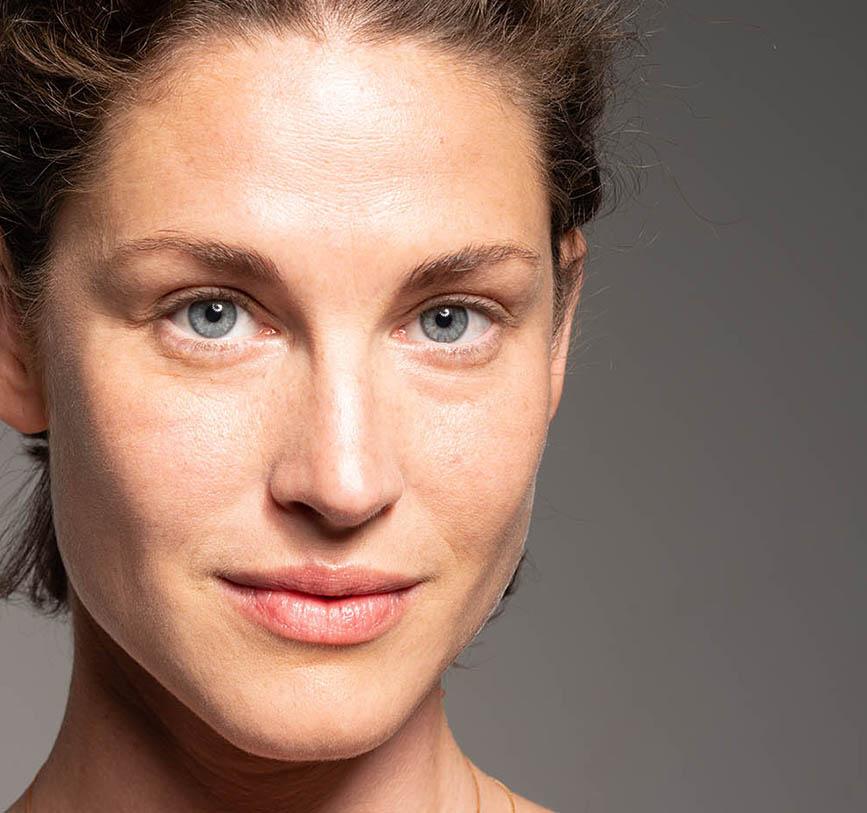
The appearance of the upper eyelids can change gradually with age, genetics, and the natural structure of the face. Some people develop excess skin around the eyelids, while others notice that their eyes appear heavier or less open than they once did. These changes can influence facial expression and, in certain cases, interfere with everyday activities such as reading or seeing objects in the upper field of vision. Upper eyelid surgery may be considered when these concerns are related to excess eyelid skin or other changes in the surrounding tissues.
However, not everyone with heavy or drooping eyelids is automatically a suitable candidate for surgery. Factors such as eyelid anatomy, skin elasticity, general health, eye function, personal expectations, and the underlying cause of the concern all contribute to the assessment. Understanding these considerations helps individuals make informed decisions about treatment.
For anyone researching Upper Eyelid Surgery in London, a personalised consultation is an important starting point. An appropriate assessment helps establish whether surgery could address the specific concern and whether another approach may be more suitable.
What Is Upper Eyelid Surgery?
Upper eyelid surgery, commonly known as upper blepharoplasty, is a procedure designed to remove carefully measured amounts of excess skin from the upper eyelids. Depending on the individual's anatomy and treatment objectives, the procedure may also involve addressing selected underlying tissue.
The aim is to improve the contour of the upper eyelids while maintaining a natural appearance and respecting the person's existing facial features. The procedure is not intended to make every person's eyes look identical or to create an exaggerated change. Instead, treatment planning focuses on the relationship between the eyelids, eyebrows, forehead, and the rest of the face.
Some individuals seek surgery because excess skin creates a tired or heavy appearance. Others may experience skin folding over the natural eyelid crease. In certain cases, excess skin can extend towards the eyelashes and affect the upper field of vision.
Identifying the precise cause of these changes is essential because several different conditions can produce similar symptoms.
How Does Excess Upper Eyelid Skin Affect Suitability?
One of the main factors influencing suitability is the amount and position of excess skin around the upper eyelids. As the skin gradually loses elasticity, it may begin to fold over the natural eyelid crease, making the eyes appear smaller or heavier.
For some individuals, the concern is mainly cosmetic. They may feel that their eyes look less defined or that their facial expression appears tired despite feeling well-rested. For others, the excess skin may interfere with applying eye makeup or contribute to difficulty seeing in certain directions.
During an assessment, a practitioner examines how the skin sits when the eyes are open and closed. The location of the natural eyelid crease and the distribution of excess tissue are also considered.
The amount of skin that can appropriately be removed depends on the individual's anatomy and the need to preserve comfortable eyelid closure. Removing more tissue does not necessarily produce a better result. A conservative, carefully planned approach is important for maintaining natural eyelid function and appearance.
People with mild skin changes may not require the same treatment approach as those with more pronounced folds. Suitability therefore depends on the specific characteristics of the eyelids rather than appearance alone.
Is Age an Important Factor When Considering Treatment?
Age can influence changes in the upper eyelids, but it is not the only factor determining whether someone is suitable for surgery. Although upper eyelid skin commonly becomes less elastic over time, some younger adults experience similar concerns because of inherited facial characteristics.
An older individual may have relatively limited excess skin, while a younger person may have naturally heavier upper eyelids. For this reason, chronological age should not be used as the sole basis for deciding whether treatment is appropriate.
A more useful assessment considers skin quality, eyelid position, overall health, and the individual's reasons for seeking treatment. The practitioner also evaluates whether the changes are stable and whether the expected benefits are consistent with the person's goals.
The decision should be based on clinical findings and individual circumstances. Suitability is determined by the condition of the eyelids and the person's ability to undergo and recover from treatment, rather than by a particular age threshold alone.
How Do Eyebrow Position and Eyelid Structure Influence Treatment?
Heavy-looking upper eyelids do not always result from excess eyelid skin. In some people, the eyebrows sit lower than their usual position, creating additional folds above the eyes. Others may have drooping of the upper eyelid margin itself, a condition known as ptosis.
These differences matter because upper blepharoplasty primarily addresses excess skin and selected tissue. It does not automatically correct every cause of a heavy or drooping appearance.
During a consultation, the position of the eyebrows is examined at rest. The practitioner may also assess forehead movement, the height of the eyelid margins, the symmetry of both eyes, and the natural eyelid crease.
If a low eyebrow position is the main contributor to the concern, an eyebrow-focused assessment may be appropriate. If the eyelid margin itself is lower than expected, further evaluation may be needed to determine whether a different procedure would better address the problem.
Understanding these anatomical differences helps prevent unrealistic expectations and supports more appropriate treatment planning. The objective is to identify the source of the concern before deciding which procedure, if any, may be beneficial.
What Role Does Eye Health Play in Suitability?
Eye health is an important part of any assessment for upper eyelid surgery. Existing eye conditions, tear production, eyelid closure, and visual function can all influence treatment planning.
People who experience dry eyes, irritation, excessive watering, or difficulty closing their eyelids should discuss these symptoms during their consultation. Such symptoms do not automatically exclude someone from treatment, but they may require additional assessment or management before a decision is made.
The practitioner should also consider whether the eyelids are contributing to a functional problem. When excess skin affects the upper field of vision, further examination may help establish the extent of the obstruction and whether surgery could provide a meaningful improvement.
Previous eye procedures and existing ophthalmic conditions may also be relevant. Depending on the circumstances, an eye examination or advice from an ophthalmologist may be appropriate.
A thorough understanding of eye health helps ensure that the proposed treatment takes both appearance and eyelid function into account. Preserving comfortable eye closure and appropriate protection of the eye remains an important consideration when planning any eyelid procedure.
Does General Health Affect Candidacy for Upper Eyelid Surgery?
General health can influence whether surgery is appropriate and how treatment should be planned. Before proceeding, the practitioner reviews relevant medical history, current medications, allergies, and any conditions that could affect healing or recovery.
Certain health conditions may require additional evaluation or coordination with the individual's usual healthcare professional. For example, conditions affecting blood pressure, blood sugar control, or the body's healing processes may need to be considered before an elective procedure.
Medications and supplements should also be discussed openly. Individuals should not stop prescribed medication independently; any adjustments must be guided by the relevant healthcare professional.
Smoking and nicotine use may affect healing, so these habits should be disclosed during the consultation. The practitioner can explain whether changes are recommended before treatment and during recovery.
The assessment also considers whether the individual can follow the recommended aftercare instructions and allow sufficient time for healing. Surgery is an elective decision, and proceeding should depend on an appropriate balance between the anticipated benefits and the person's overall circumstances.
How Important Are Personal Expectations?
A person's expectations are another important consideration when determining suitability. Upper eyelid surgery can improve the appearance of excess skin, but it cannot change every feature associated with ageing or facial structure.
Some individuals expect surgery to eliminate all signs of tiredness, remove every wrinkle, or produce a dramatic transformation. Others may assume that both eyelids will become perfectly symmetrical. In reality, natural facial asymmetry is common, and the outcome depends on the person's original anatomy and the changes that can reasonably be achieved.
A consultation provides an opportunity to discuss the concerns that matter most to the individual. These may include the visibility of the eyelid crease, the amount of skin folding, or the overall balance between the eyes and eyebrows.
It is helpful to explain which changes are desired and what a natural-looking result would mean personally. The practitioner can then discuss whether the procedure is likely to address those concerns.
Appropriate candidates generally understand the purpose and limitations of treatment. They make decisions based on realistic expectations rather than pressure to achieve a particular appearance.
When Might Another Procedure Be More Appropriate?
Not every concern involving the upper eyelids requires upper blepharoplasty. The appropriate approach depends on whether the primary issue is excess skin, a low eyebrow position, drooping of the eyelid margin, or a combination of these features.
For example, an individual whose eyebrows sit lower than expected may need an assessment of eyebrow position rather than eyelid skin removal alone. Someone with true upper eyelid ptosis may require a different procedure directed at the structures responsible for lifting the eyelid.
People who are concerned about puffiness or bags beneath the eyes may benefit from an assessment of the lower eyelids instead. Lower Eyelid Surgery In London addresses a different anatomical area and is generally considered for concerns such as lower eyelid bags, selected skin changes, or changes in the contour beneath the eyes.
In some cases, upper and lower eyelid concerns occur together. However, treatment of both areas is not automatically necessary, and each should be assessed according to the individual's anatomy and objectives.
An experienced practitioner can explain the available options, including whether surgery is appropriate at all. This helps ensure that the recommended treatment addresses the underlying concern rather than simply focusing on the most visible feature.
What Happens During a Suitability Consultation?
A consultation for upper eyelid surgery involves more than examining the amount of loose skin. It provides an opportunity to understand the individual's concerns, review their medical background, and establish whether the procedure is appropriate.
The practitioner may assess the following factors:
- Eyelid anatomy: The position of the eyelid crease, the amount of excess skin, and the distribution of tissue.
- Eyebrow position: Whether a low brow contributes to the heavy appearance.
- Eye function: Eyelid movement, closure, visual concerns, and relevant eye symptoms.
- Skin quality: Elasticity and the characteristics of the surrounding tissues.
- Medical history: Existing conditions, medication use, and factors that may influence recovery.
- Treatment goals: The changes the individual hopes to achieve and whether they are realistic.
The consultation should also include a discussion of the procedure, expected recovery, aftercare, and potential limitations. Where further evaluation is needed, the practitioner may recommend additional examination before making a final decision.
For individuals searching for an Eyelid Surgery Clinic in London, choosing a setting that provides a detailed assessment and clear explanations can help make the decision-making process more informed.
How Should Patients Prepare for a Treatment Decision?
Preparing for a consultation can help individuals explain their concerns clearly and understand the available options. It may be useful to consider when the eyelid changes first became noticeable, whether they have progressed, and whether they affect daily activities.
People should bring an up-to-date list of medications and supplements and mention any previous eye procedures or relevant health conditions. Existing symptoms, such as dry eyes or changes in vision, should also be discussed rather than treated as unrelated concerns.
It is equally important to consider practical arrangements for recovery. Individuals may need time away from work or social commitments, depending on the nature of their procedure and their healing progress.
Questions about the surgical approach, the expected appearance of the eyelids, follow-up appointments, and the overall treatment plan should be encouraged. A suitable practitioner should explain the reasoning behind their recommendations and allow enough time for the individual to make a considered decision.
There is no need to rush into treatment. If the assessment identifies an issue that requires further investigation, addressing that issue first may be the most appropriate next step.
Conclusion
Determining suitability for upper eyelid surgery involves evaluating several factors, including excess skin, eyelid anatomy, eyebrow position, eye health, general medical history, and personal expectations. Age alone does not determine candidacy, and similar-looking concerns can arise from different anatomical causes.
For people considering Upper Eyelid Surgery in London, a personalised consultation helps establish whether upper blepharoplasty is likely to address their concerns or whether another treatment approach would be more appropriate. A careful assessment also supports realistic expectations and treatment planning that respects the natural appearance and function of the eyes.
The most appropriate decision is one based on individual needs, a clear understanding of the available options, and professional clinical guidance. Taking time to understand the cause of the concern can help individuals approach treatment with greater confidence and make informed choices about their eyelid care.
Frequently Asked Questions
1. Who is a suitable candidate for upper eyelid surgery?
Suitable candidates may include adults with excess upper eyelid skin that affects their appearance or, in some cases, their field of vision. Suitability depends on eyelid anatomy, eye health, general medical history, and realistic expectations. A consultation is needed to determine whether surgery is appropriate.
2. Is there a specific age requirement for upper eyelid surgery?
There is no single age that determines suitability for every individual. Upper eyelid changes can occur because of ageing or inherited characteristics. The decision depends on the person's anatomy, health, and treatment needs rather than age alone.
3. Can upper eyelid surgery improve a tired-looking appearance?
Upper blepharoplasty may help reduce the heavy appearance caused by excess upper eyelid skin. However, tired-looking eyes can also result from eyebrow position, eyelid ptosis, under-eye changes, or other factors. Identifying the underlying cause helps determine the most appropriate approach.
4. Can people with dry eyes undergo upper eyelid surgery?
Some people with dry eyes may still be considered for treatment, but their symptoms require careful assessment. The practitioner may recommend additional eye evaluation or management before deciding whether surgery is suitable.
5. Is upper eyelid surgery suitable for everyone with drooping eyelids?
No. Drooping may be caused by excess skin, a low eyebrow position, or ptosis affecting the eyelid margin. These conditions may require different approaches, so an examination is important before selecting treatment.
6. How long does recovery from upper eyelid surgery take?
Recovery varies according to the individual, the surgical approach, and the body's healing process. Initial swelling and bruising generally improve over the first couple of weeks, although subtle changes may take longer to settle. The treating practitioner should provide personalised recovery guidance.
7. Can upper and lower eyelid surgery be performed together?
In selected cases, both procedures may be considered during the same treatment plan. The decision depends on the concerns affecting each area, the person's health, and the practitioner's assessment. Treating both areas is not necessary for everyone.
8. What should I ask during a consultation for upper eyelid surgery in London?
Useful questions include whether excess skin is the main cause of the concern, what results may be achievable, whether additional assessment is needed, and what recovery involves. Individuals should also ask about the practitioner's experience, the proposed technique, aftercare, and follow-up arrangements.
9. How do I choose an eyelid surgery clinic in London?
Look for a clinic that offers individual assessment, appropriately qualified practitioners, clear explanations of treatment options, and suitable follow-up care. The consultation should address your specific concerns and provide realistic information about the expected outcome.
10. Is surgery the only option for heavy upper eyelids?
No. Surgery may be appropriate when excess skin is the main concern, but not everyone needs an operation. Depending on the cause and severity of the changes, observation or assessment for another treatment may be more suitable. A clinical consultation can help clarify the available options.

 English
 Arabic
 French
 Spanish
 Portuguese
 Deutsch
 Turkish
 Dutch
 Italiano
 Russian
 Portuguese (Brazil)
 Greek