


When Does Swelling Go Down After Rhinoplasty?
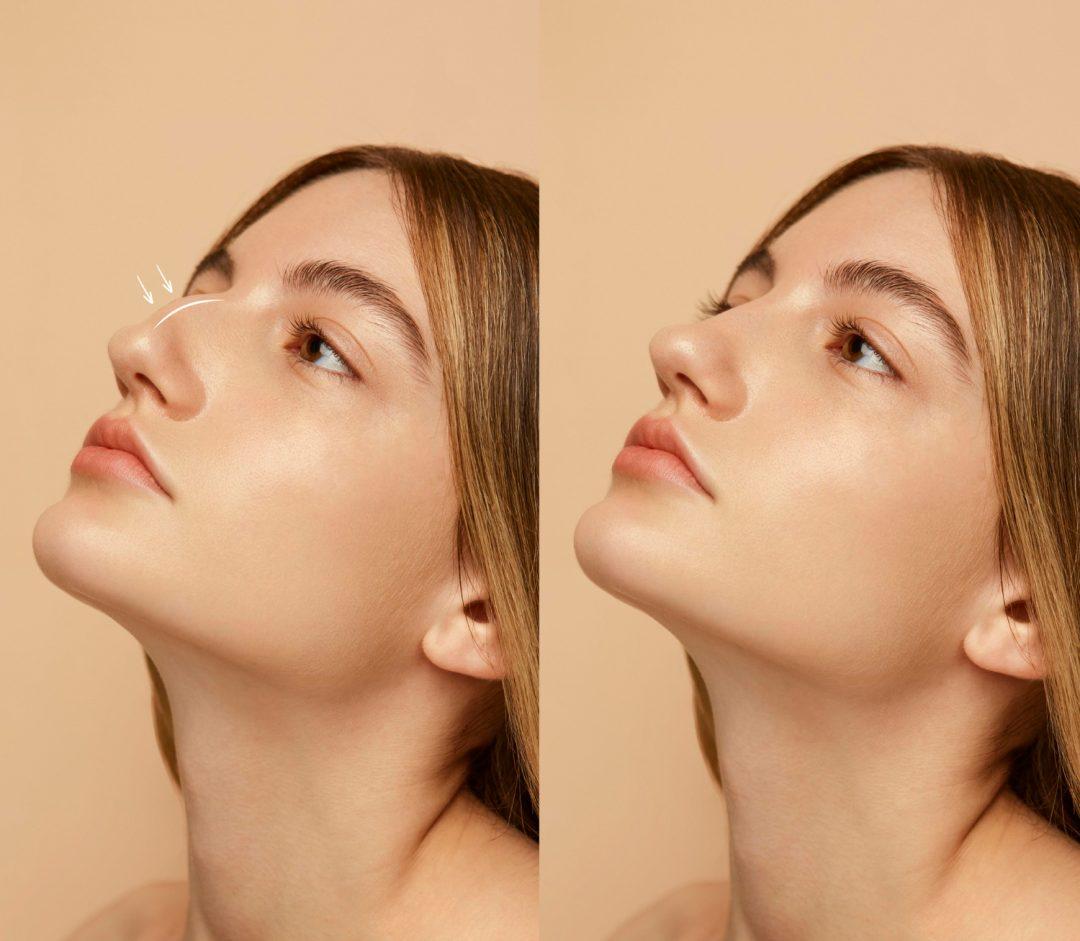
Rhinoplasty is a surgical procedure that reshapes the nose to improve its appearance, refine facial proportions, or address certain structural concerns. One of the most common questions people have before undergoing surgery is how long swelling will last and when the nose will begin to reveal its final shape. Understanding the healing timeline can help individuals develop realistic expectations and feel more confident throughout recovery. Rhinoplasty in Dubai is a term often used when researching nose reshaping, and understanding the different stages of swelling can help individuals prepare for the recovery process.
Why Does Swelling Occur After Rhinoplasty?
Swelling is a normal part of the body's healing response following nasal surgery. During the procedure, the surgeon may adjust bone, cartilage, skin, or other supporting structures to achieve the planned shape. These changes temporarily affect the surrounding tissues, causing fluid to accumulate as the body begins repairing the treated area.
The amount of swelling varies from person to person. Factors such as skin thickness, the extent of surgical changes, the nose's natural structure, and individual healing patterns can influence how quickly swelling subsides. Some individuals notice visible improvement within the first few weeks, while others require several months before their nasal contours become more defined.
When Does Swelling Start to Go Down After Rhinoplasty?
Swelling usually begins to improve during the first several days after surgery, although the nose may initially appear larger than expected. The early recovery period involves gradual changes rather than an immediate return to the intended shape.
During the First Few Days
The nose and surrounding areas may look puffy during the initial days. Swelling can also affect the cheeks and the area beneath the eyes. The nasal shape may appear less defined, making it difficult to judge the surgical result accurately.
During this stage, the body is beginning its natural repair process. The appearance of the nose can change from day to day, and early photographs may not represent the eventual outcome.
After One Week
By the end of the first week, some initial swelling may have started to decrease. A nasal splint, if used, is commonly removed around this time according to the surgeon's instructions. Once the splint is removed, the nose may look different from what the individual expected because residual swelling remains.
The bridge may appear relatively defined, while the tip can still look rounded or elevated. This is a normal part of the early healing process, and the final contour is not yet established.
After Two to Three Weeks
During the second and third weeks, visible swelling often becomes less noticeable. Many individuals feel more comfortable returning to everyday social activities as bruising and puffiness improve.
However, the nose may remain slightly swollen, particularly around the tip and the areas where structural changes were made. Small differences in appearance during this period are common, so patience remains important.
How Long Does It Take for Rhinoplasty Swelling to Disappear Completely?
Complete resolution of swelling takes longer than the initial recovery period. Although much of the noticeable swelling improves during the first few weeks, subtle swelling can persist for several months.
After One Month
At approximately one month, the nose often looks more natural than it did immediately after surgery. The bridge may appear more refined, and the overall facial appearance may begin to reflect the planned changes more clearly.
Nevertheless, the nasal tip may remain firm, rounded, or less defined because deeper tissues are still healing. Individuals with thicker nasal skin may notice that swelling lasts longer.
After Three Months
By three months, a considerable amount of swelling has generally subsided. The nasal outline may look more balanced, and the tip may gradually become more defined.
Even at this stage, small changes can continue. The healing process occurs beneath the skin as well as on the surface, meaning that the visible shape can continue to evolve.
After Six Months
At six months, many individuals can appreciate a clearer version of their developing results. Remaining swelling is often less obvious, although the tip may still require additional time to settle.
The amount of improvement depends on the surgical technique, the extent of correction, and the individual's healing characteristics.
After Twelve Months or Longer
The nose often approaches its final appearance around twelve months after surgery. In some cases, particularly after more extensive procedures or in noses with thicker skin, subtle swelling may persist for twelve to eighteen months or longer.
The nasal tip is frequently the last area to settle because its tissues can take longer to soften and reveal their underlying contours. The surgeon's assessment is important when determining whether healing is progressing as expected.
What Factors Affect Swelling After Rhinoplasty?
Several factors influence the duration and visibility of postoperative swelling. Understanding these differences helps individuals avoid comparing their recovery too closely with someone else's experience.
Skin Thickness
Individuals with thicker nasal skin may experience prolonged swelling because the skin and underlying soft tissues can take longer to settle around the reshaped framework. Thinner skin may reveal changes in nasal contours sooner, although every person heals differently.
Type of Surgical Changes
The extent of reshaping can affect the recovery timeline. Procedures involving substantial changes to bone or cartilage may require a longer healing period than more limited corrections. Revision surgery can also involve additional healing considerations because the tissues have previously undergone surgery.
Nasal Tip Swelling
The nasal tip often retains swelling longer than the bridge. Its complex cartilage structure and surrounding soft tissues contribute to this slower refinement. Temporary fullness at the tip does not necessarily indicate that the final result will remain bulky.
Individual Healing Patterns
Age, general health, tissue characteristics, and the body's natural healing response can influence recovery. Following the surgeon's guidance and attending scheduled appointments can help individuals understand their progress.
What Happens During the Rhinoplasty Healing Process?
Healing involves several overlapping stages. Initially, the body responds to surgical changes by increasing fluid and cellular activity in the treated tissues. As healing progresses, this fluid gradually decreases and the surrounding tissues begin to settle.
The underlying nasal framework also needs time to heal and stabilize. Bone and cartilage changes may become less noticeable as swelling decreases, allowing the intended contours to emerge gradually.
During recovery, individuals may notice temporary differences between the two sides of the nose. These differences can be influenced by uneven swelling and do not automatically indicate the final shape. Persistent concerns should be discussed during a follow-up appointment.
How Can Individuals Support Normal Recovery?
Recovery should follow the instructions provided by the treating surgeon because recommendations can vary depending on the procedure. General measures may include:
-
Keeping the head elevated while resting, particularly during the early recovery period.
-
Avoiding strenuous exercise until the surgeon confirms that it is appropriate.
-
Protecting the nose from accidental pressure, impact, or unnecessary touching.
-
Attending follow-up appointments so healing can be assessed.
-
Avoiding forceful nose blowing until permission is given.
-
Following instructions about cleaning, dressings, and the use of any prescribed treatments.
Individuals should contact their surgical team if swelling suddenly increases, becomes markedly uneven, or occurs alongside severe pain, fever, unusual discharge, or breathing difficulties.
Frequently Asked Questions About Rhinoplasty Swelling
Is Swelling Normal After Rhinoplasty?
Yes. Swelling is an expected part of the healing process because nasal tissues need time to recover after surgical changes. Its duration and intensity vary according to the procedure and individual healing characteristics.
When Will the Nose Look Normal Again?
Many individuals notice substantial visible improvement within two to four weeks. However, the nose may continue changing for several months, and the final contour can take approximately a year or longer to develop.
Why Does the Nasal Tip Stay Swollen Longer?
The tip contains delicate cartilage and surrounding soft tissues that may take longer to settle. Skin thickness and the extent of surgical correction can also influence how quickly definition becomes visible.
Can Swelling Return After It Has Improved?
Temporary fluctuations can occur during recovery, especially after increased activity or minor irritation. However, significant or sudden swelling should be assessed by the treating surgeon rather than assumed to be part of normal healing.
Does Thick Skin Make Rhinoplasty Recovery Longer?
Thicker skin can contribute to a longer period of visible swelling, particularly around the nasal tip. The timeline depends on several factors, so an individual assessment is necessary to understand expected progress.
When Should the Final Results Be Evaluated?
The final result is generally assessed after sufficient healing, often around twelve months. Some procedures require a longer observation period, particularly when the nasal tip needs additional time to settle.
Conclusion
Swelling after rhinoplasty decreases gradually, with the most noticeable improvement often occurring during the first few weeks and finer changes continuing for twelve months or longer. The bridge may become defined relatively early, while the nasal tip can remain swollen for an extended period. Individuals researching Rhinoplasty in Dubai should understand that recovery timelines differ according to skin thickness, surgical changes, and personal healing patterns. With realistic expectations, appropriate follow-up, and careful adherence to professional guidance, individuals can better understand each stage of recovery and allow their nasal contours to develop naturally over time.

 English
 Arabic
 French
 Spanish
 Portuguese
 Deutsch
 Turkish
 Dutch
 Russian
 Romaian
 Portuguese (Brazil)
 Greek