


How Can You Prepare Your Car for a JLR Engine Swap?
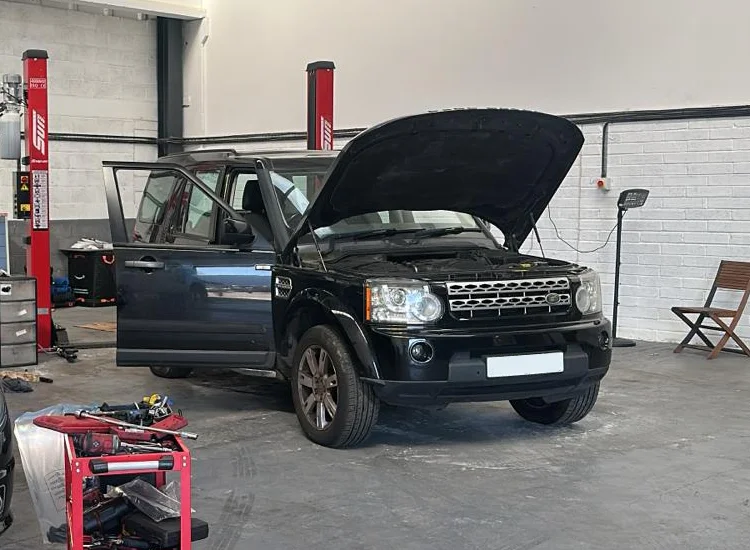
Preparing your car for an engine swap takes more than arranging a replacement unit. You need to understand your vehicle’s condition, confirm engine compatibility, organise the necessary parts, and plan the work with a qualified mechanic. Careful preparation can help prevent avoidable delays and make the installation process easier to manage. Whether your current engine has developed a serious fault or you want to restore your vehicle’s usability, taking the right steps before work begins can make a real difference.
Check the Condition of Your Current Engine
Start by asking a mechanic to inspect the existing engine and identify the main problem. Unusual noises, overheating, oil leaks, loss of power, or warning lights may indicate a serious fault, but the symptoms alone do not always explain the full situation. A professional assessment can help establish whether replacement is necessary or whether a repair remains practical. Understanding the original fault also helps you check whether related components need attention before installing another engine.
Confirm Which Engine Fits Your Vehicle
Compatibility should be one of your main priorities before ordering JLR Engines. Vehicles can differ by model, production year, engine capacity, fuel type, and technical specification. Two engines that appear similar may not fit or operate correctly in the same vehicle. Give the supplier your vehicle identification number (VIN), registration details, and existing engine code where available. These details help narrow down suitable options and reduce the risk of purchasing an engine that cannot be installed without significant additional work.
Gather Your Vehicle’s Important Documents
Collect the documents that can help identify your vehicle and its original specifications. These may include service records, previous repair invoices, registration information, and any paperwork relating to earlier engine work. The vehicle handbook can also provide useful details about the original engine and recommended specifications. Having this information ready makes discussions with the mechanic and supplier more straightforward. It can also help clarify whether previous modifications or repairs could affect the planned installation.
Choose a Suitable Replacement Engine
Before committing to a purchase, ask about the replacement engine’s condition, mileage where known, service background, and testing history. If you are considering a used or reconditioned unit, find out what inspection or refurbishment work has been completed and whether supporting documentation is available. Ask about the warranty terms, including what is covered and whether specific installation requirements apply. A clear understanding of the engine’s condition and the supplier’s terms helps you make a more informed decision instead of choosing an option based on price alone.
Inspect Supporting Components Before Installation
An engine swap may reveal problems with components that work alongside the engine. Depending on your vehicle and the reason for replacement, the mechanic may need to inspect the cooling system, hoses, belts, mounts, electrical connections, fuel system, and relevant transmission components. Worn or damaged parts can create problems after the replacement engine is installed. Identifying these issues early gives you a chance to plan necessary repairs and avoid paying for repeated labour because a related component was overlooked.
Prepare the Car for Workshop Work
Arrange a suitable workshop with the equipment and experience required for your particular vehicle. Before the appointment, remove personal belongings from the car and make sure the mechanic has access to the keys and relevant documents. Explain any recent symptoms, warning messages, leaks, or changes in performance. If the vehicle cannot be driven safely, organise appropriate recovery rather than attempting to take it to the workshop yourself. Clear communication before the work starts helps the team plan the job more effectively.
Discuss the Cost and Work Schedule
Ask for a breakdown of the expected costs before authorising the swap. The estimate may include the replacement engine, labour, fluids, filters, additional parts, diagnostic checks, and disposal of the old unit. Confirm whether the quotation covers unexpected problems or whether the workshop will contact you before carrying out extra work. It is also sensible to ask how long the job may take and whether parts availability could affect the schedule. A realistic budget should allow some flexibility for issues discovered during installation.
Check Electrical Systems and Engine Management
Modern vehicles rely on electronic systems to manage engine performance, fuel delivery, emissions, and communication between vehicle components. Depending on the model and replacement engine, the swap may require compatibility checks involving sensors, wiring, the engine control unit, or security-related systems. Ask the mechanic to confirm what electronic work is required before installation begins. Using an appropriate diagnostic tool can help identify existing faults and support checks after the replacement engine has been fitted. These steps reduce the chance of overlooking electronic issues that could affect operation.
Plan the Final Inspection and Testing
Before the work begins, agree on how the vehicle will be checked after installation. The mechanic should follow the relevant manufacturer procedures and inspect important areas such as fluid levels, cooling performance, leaks, electrical connections, and engine operation. Diagnostic checks may also be necessary to identify fault codes or confirm that connected systems are working correctly. Ask for an explanation of any remaining warnings or recommended follow-up work. A proper inspection and suitable testing are important before returning the vehicle to normal use.
Keep Records of the Engine Swap
Once the installation is complete, keep the invoice, replacement engine details, warranty documents, and any inspection or diagnostic reports. These records can help with future maintenance, warranty claims, and discussions with another workshop. Ask the mechanic which servicing steps are recommended after installation and whether any initial checks should take place after a particular period or mileage. Update any vehicle records where required by local rules or insurance conditions. Good documentation makes it easier to understand the work completed and maintain the vehicle responsibly.
Preparing your car for an engine swap is mainly about reducing uncertainty before the work starts. By checking compatibility, choosing a suitable replacement, inspecting supporting components, and agreeing on costs and testing, you can approach the process with greater confidence. Taking time to organise these details helps your mechanic work efficiently and gives you a clearer picture of what your vehicle needs before it returns to the road.

 English
 Arabic
 French
 Spanish
 Portuguese
 Deutsch
 Turkish
 Italiano
 Russian
 Romaian
 Portuguese (Brazil)
 Greek