


How to Choose the Right Aluminum Dock for Your Lake
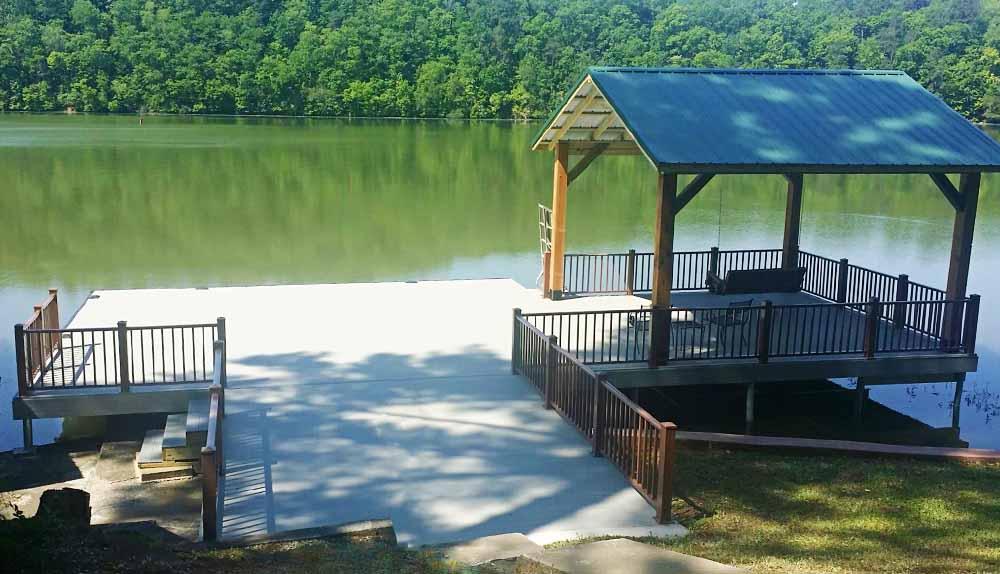
Picking a dock for your lake place shouldn’t feel like solving a riddle. But walk into a dealer showroom, and suddenly you’re drowning in terms like “pile-driven” this and “floating modular” that. It’s a lot. Especially when all you really want is a spot to tie up the pontoon and sip coffee while the water laps against the posts.
I’ve been around docks long enough to know one thing. Most folks overthink this. You don’t need the fanciest setup. You need the right one. And when it comes to longevity and low maintenance, aluminum boat docks are usually the smart play. They last. They don’t rot. And they won’t have you staining wood every other summer.
Here’s how to actually figure out what works for your lake, your budget, and your family.
First Thing: Know Your Water
Every lake has a personality. Some are calm and shallow. Others get wild when the wind picks up. Your dock has to live there, so you need to match the build to the conditions.
Here’s the quick breakdown:
-
Calm, protected coves – A fixed dock works great. Simple, sturdy, and usually cheaper.
-
Big open water with boat wakes – Go floating. It rides the waves instead of fighting them.
-
Shallow shorelines with big water level swings – Floating docks are your friend. Fixed ones will be high and dry one month and underwater the next.
-
Fast-moving rivers or tidal water – You need something that adjusts. Fixed is a headache here.
Don’t guess. Ask neighbors what they use and what breaks. That’s free advice from people who’ve already learned the hard way.
Fixed vs. Floating: The Big Decision
This is the fork in the road. Get it wrong, and you’ll be regretting it by the second season.
Fixed docks are anchored to pilings. Steel, wood, and concrete—doesn’t matter. They don’t move. If your water level stays pretty constant and your lake doesn’t get crazy, they’re rock solid. The upside is stability. You can put heavy stuff on them. They feel permanent.
The downside? Water levels change. Storms happen. And when the lake rises two feet overnight, your fixed dock is a submarine.
Floating docks sit on pontoons or encapsulated foam. They rise and fall with the water. That flexibility is huge on reservoirs or lakes with dams. They also absorb wave energy, so they’re gentler on boats during a blow.
But floating docks can feel a little bouncy. Not a dealbreaker for most, but if you’ve got grandparents who need steady footing, keep that in mind.
Size It Right or Regret It Later
People always underestimate how much dock they need. Then the family grows, the toys multiply, and suddenly you’re squeezing a pontoon and two jet skis into a space built for one fishing boat.
Think about what you have now. Then think about five years from now. Add a little more.
-
One boat and basic seating? A simple straight dock is fine.
-
Two boats, a pontoon, and a swimming area? You need a bigger platform or an L-shape.
-
Big crew with lots of gear? Look at sundecks or combo docks with storage.
Also, consider the walkway. If you’ve got a steep bank, you might need stairs or a ramp. Don’t forget that part of the budget.
The Frame Matters More Than You Think
Not all aluminum is created equal. Cheap frames flex. They corrode. They squeak and groan every time someone steps on them.
You want marine-grade aluminum. Look for thick gauge, good welds, and a frame that doesn’t feel flimsy when you stomp on it. Trust me—do the stomp test. If it shakes like a diving board, walk away.
Companies like Flotation Systems use stabilizer tech to handle high-traffic lakes and rough weather. That kind of engineering matters if your lake gets busy on weekends.
Decking: Where People Cheap Out and Pay Later
This is the surface you walk on. It takes a beating. Sun, rain, wet feet, spilled drinks, dog claws.
Wood rots. The composite fades and gets hot. Aluminum decking—especially watertight stuff—lasts forever and stays cooler. It also doesn’t get slippery when wet, which is huge for kids and older folks.
You’ll see options like LockDry marine decking that actually seal the space below so you can use the area underneath. That’s a nice bonus for storage or shade.
Don’t skimp here. Decking is the one part you touch every single time you use the dock.
Bells and Whistles: Get What You’ll Actually Use
Accessories are fun. But don’t blow your budget on stuff you’ll never touch.
Prioritize these:
-
Bumpers and cleats – Non-negotiable. Protects your boat and your dock.
-
Lighting – Nice for evening hangs. Solar options are easy.
-
Ladder or swim steps – If people swim, you need one.
-
Storage box or bench – Keeps gear dry and gives you a place to sit.
-
Canopy or roof – Expensive, but awesome for sun protection if you spend all day out there.
Skip the fancy stuff you saw on a Pinterest board unless you know you’ll use it.
Budget for the Whole Thing, Not Just the Dock
The dock itself is one cost. But you’ve got permits, installation, maybe a walkway, maybe electrical work. Factor all that in.
-
Permits can range from cheap to “ouch” depending on your state and whether you’re on a protected lake.
-
Installation might be DIY if you’re handy, but most folks hire a pro for a reason.
-
Accessories add up fast if you’re not careful.
Set a realistic number, then add 15 percent for surprises. There are always surprises.
Style: Because It’s Your Lake House
You want it to look good. That’s allowed. Aluminum docks come in styles now—color series, classic designs, rustic looks.
Match it to your house or your vibe. A modern cottage goes with clean lines. A log cabin setup pairs well with a lodge-style dock. It’s not vanity. It’s your view every morning.

A Few Common Mistakes to Avoid
I’ve seen plenty of folks make the same mistakes. Here’s a quick list so you don’t have to learn the hard way.
-
Buying too small. Always size up.
-
Skipping the permit process and getting fined or forced to tear it down.
-
Ignoring the lake’s wave patterns and going with a fixed dock on a windy lake.
-
Choosing cheap decking and replacing it in three years.
-
Forgetting to plan for accessibility if you’ve got family members with mobility issues.
None of these are hard to avoid. Just think ahead.
When in Doubt, Talk to People Who Know
Your neighbor’s advice is gold. A good dealer is even better. They know your local lake conditions because they work there every day.
Don’t buy online without checking how the company handles installation, warranty, and service. A dock is a long-term relationship, not a one-time purchase.
If you’re in the market for aluminum boat docks, Flotation Systems has been building them with serious engineering and design chops. They’ve got options for every kind of lake and lifestyle. Check them out at Flotation Systems Aluminum Boat Docks and see what fits your spot.
A dock should make lake life easier, not harder. Take your time. Do the homework. Then go enjoy the water.
Frequently Asked Questions
What makes aluminum boat docks better than wood docks?
Aluminum boat docks don’t rot, warp, or attract pests like wood does. They last decades with almost zero maintenance. You don’t have to stain, seal, or replace boards every few years. They’re also lighter, which can make installation easier and cost less over time. Wood looks classic, sure. But aluminum just keeps working year after year without you touching it.
How long do aluminum docks typically last?
Most quality aluminum docks last 25 to 30 years or more. Some last longer if the frame is thick and the welds are solid. The decking usually holds up just as well, especially if it’s marine-grade. Weather matters too, but aluminum handles sun, rain, and freezing temps far better than wood or composite. It’s a long-term investment that pays off.
Do I need a permit to install a dock on my lake?
In most places, yes. Permits are usually required for any structure over or near water. The rules vary by state and even by lake. Some lakes have strict environmental protections. Others are more relaxed. Check with your local Department of Natural Resources or your county before you buy anything. Getting retroactively fined or forced to remove a dock is a nightmare.
What’s the difference between fixed and floating docks?
Fixed docks are anchored to pilings and stay put. They’re stable and work well in calm water with steady levels. Floating docks sit on pontoons and rise and fall with the water. They handle wave action better and are ideal for lakes with changing levels. Choose based on your water’s behavior, not just what looks nice on a brochure.
Can I install an aluminum dock myself, or should I hire a pro?
Some folks install their own docks, especially modular floating ones. But you need to understand anchoring, local codes, and safety. Fixed docks with pilings usually require heavy equipment and professional installation. Hiring a pro saves time, ensures it’s done right, and often protects your warranty. DIY is possible, but don’t underestimate the effort or the risk.

 English
 Arabic
 French
 Spanish
 Portuguese
 Deutsch
 Turkish
 Dutch
 Russian
 Romaian
 Portuguese (Brazil)
 Greek