


What Is Fiberglass? Properties, Uses, and Benefits
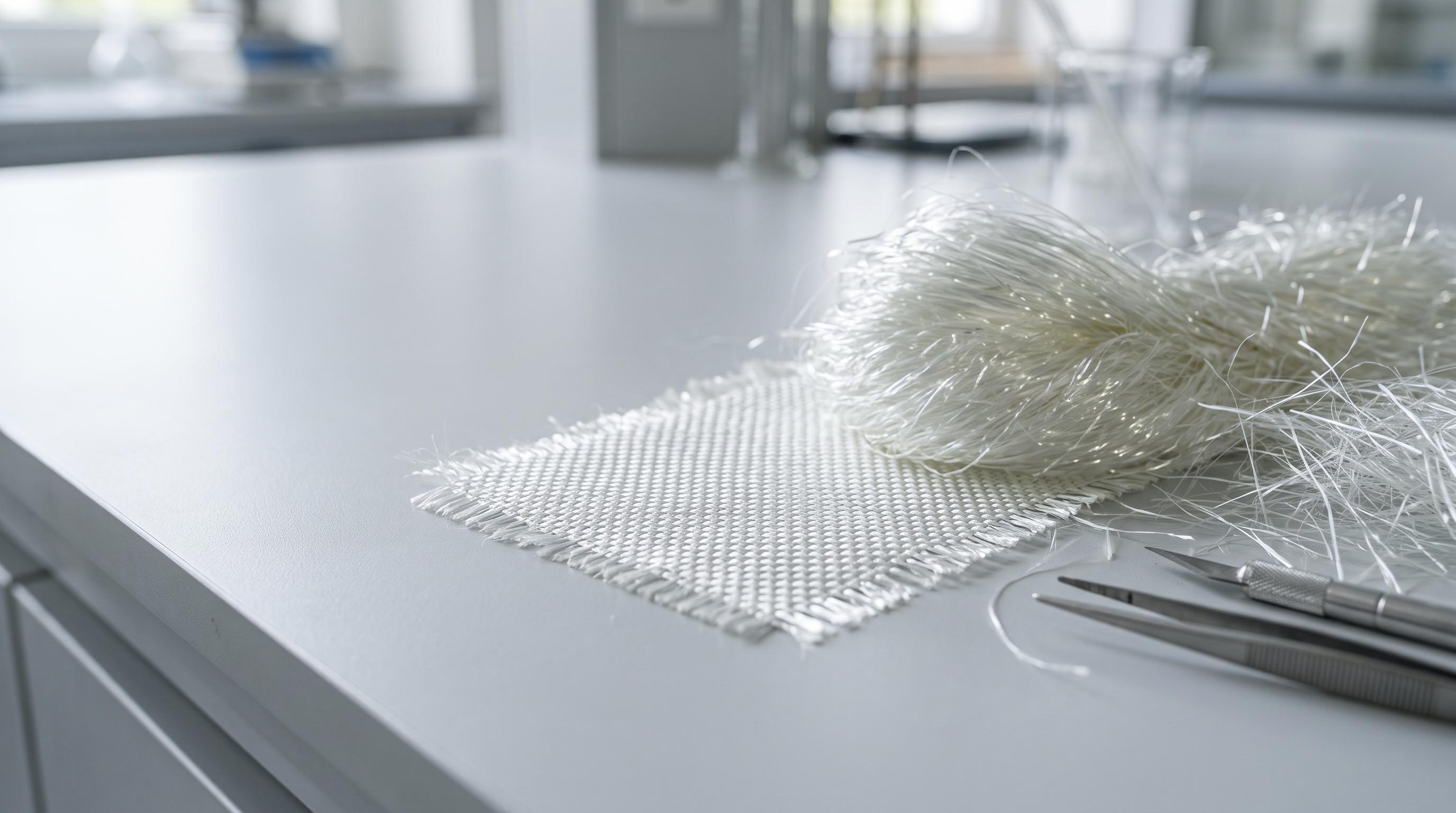
What is fiberglass? Fiberglass is a versatile material made from extremely fine glass fibers that can be used alone or combined with resin to create strong, lightweight composite products. It is valued for its durability, resistance to corrosion, electrical insulation properties, and ability to be shaped into different forms. Fiberglass is commonly found in buildings, vehicles, boats, industrial equipment, household products, and insulation materials. Although many people associate fiberglass with the fluffy material installed inside walls, it is also an important material in modern manufacturing. Understanding its composition, properties, manufacturing process, and applications helps explain why fiberglass is widely used in everyday life.
What Is Fiberglass Made Of?
Fiberglass is primarily made from glass fibers produced by melting silica-based raw materials and drawing the molten glass into extremely thin strands. The glass mixture commonly contains silica sand, limestone, soda ash, and other mineral ingredients that influence the properties of the finished fibers. In structural applications, these fibers are often combined with a resin, such as polyester, epoxy, or vinyl ester, to form a durable composite material. The glass fibers provide reinforcement, while the resin holds them together and helps maintain the product's shape. Fiberglass insulation may use a different formulation and binder system because it is designed mainly to trap air and reduce heat transfer rather than carry structural loads.
How Is Fiberglass Manufactured?
Fiberglass manufacturing begins with preparing and mixing the raw materials required to produce the desired glass composition. The mixture is heated in a furnace until it melts into a uniform liquid, which is then passed through tiny openings to create fine glass filaments. These filaments cool and solidify before being collected and processed into strands, fabrics, mats, or loose fibers. For structural products, manufacturers arrange the fibers in a mold or another suitable form and apply resin to bind them together. The resin is then cured to create the finished composite. Different manufacturing methods allow fiberglass to be produced for construction, transportation, insulation, industrial equipment, and many other applications.
Main Properties of Fiberglass
Fiberglass has several useful properties that make it suitable for a wide range of applications. It offers a good strength-to-weight ratio, meaning it can provide useful mechanical strength without the weight of many traditional materials. Glass fibers do not rust like iron or steel, and suitable fiberglass composites can resist moisture and many corrosive environments. Fiberglass also provides useful electrical insulation and can be molded into complex shapes. Its performance depends on the glass composition, fiber arrangement, resin system, and manufacturing quality. Although fiberglass is durable, it is not completely resistant to damage, and some products may crack, delaminate, or deteriorate when exposed to unsuitable chemicals, excessive heat, or strong impacts.
Different Types of Fiberglass
Fiberglass is available in different types depending on its composition and intended use. E-glass is commonly used for general-purpose reinforcement and electrical insulation, while S-glass is designed for applications that require high mechanical strength. C-glass is formulated for improved resistance to certain chemical environments. Fiberglass insulation is another common form, consisting of fine glass fibers arranged to trap air and reduce heat transfer. Manufacturers also produce fiberglass mats, woven fabrics, continuous strands, and chopped fibers for different manufacturing processes. Each type has particular advantages and limitations, so selecting the right fiberglass depends on factors such as strength requirements, operating conditions, chemical exposure, and the intended purpose of the finished product.
What Is Fiberglass Used For?
Fiberglass is used in construction, transportation, marine equipment, electrical products, and industrial manufacturing because it combines relatively low weight with useful strength and corrosion resistance. In buildings, it is used for insulation, roofing panels, doors, and reinforced components. Vehicle manufacturers use fiberglass in body panels, covers, and specialized parts, while boat builders use it for hulls, decks, and other marine structures. Fiberglass-reinforced plastic is also used to manufacture industrial pipes, storage tanks, ducts, and equipment exposed to moisture or certain chemicals. In homes, fiberglass may be found in bathtubs, shower units, decorative panels, and other molded products. The material's versatility allows manufacturers to design products for specific performance requirements.
Fiberglass in Construction
Fiberglass is widely used in the construction industry because it can provide insulation and durable building components. Fiberglass insulation contains fine glass fibers that trap pockets of air, helping reduce the transfer of heat through walls, ceilings, and roofs. This can improve indoor comfort and support energy efficiency when the insulation is properly selected and installed. Fiberglass is also used in roofing panels, doors, wall components, and reinforced plastic products. Some construction applications require resistance to moisture, weather exposure, or chemical substances, so the material must be chosen according to the intended conditions. Correct installation and maintenance are important for ensuring that fiberglass building products perform as expected throughout their service life.
Fiberglass in Automotive and Marine Industries
Fiberglass is useful in the automotive and marine industries because it can produce strong components without adding excessive weight. Automotive applications include body panels, covers, interior parts, and specialized vehicle components. In marine construction, fiberglass composites are commonly used for boat hulls, decks, and other structures that may experience regular exposure to water. Suitable resin systems can help protect these products from moisture and corrosion, reducing some maintenance requirements associated with metal alternatives. However, fiberglass can still suffer damage from impacts, prolonged environmental exposure, or poor maintenance. The strength and durability of a finished component depend on its design, fiber orientation, resin quality, protective coatings, and manufacturing process.
Fiberglass Insulation and Its Benefits
Fiberglass insulation is a common building material made by forming molten glass into fine fibers that create a lightweight, air-trapping structure. It is installed in walls, ceilings, roofs, and other building areas to help reduce unwanted heat transfer. Because trapped air slows heat movement, fiberglass insulation can support more comfortable indoor temperatures and reduce heating and cooling demands. Some products also help absorb sound and reduce noise transmission between spaces. Fiberglass insulation is available in rolls, batts, loose-fill forms, and rigid or semi-rigid products. Its effectiveness depends on the product's thermal properties, correct installation, and the condition of the surrounding building structure. Keeping insulation dry and installing it according to product instructions helps maintain performance.
Advantages of Fiberglass
Fiberglass offers several benefits that make it useful for residential, commercial, and industrial applications. It is relatively lightweight, can be molded into complex shapes, and does not rust like ordinary steel. Many fiberglass composites provide useful strength and can withstand exposure to moisture and certain chemicals when the correct resin system is selected. Fiberglass also has electrical insulating properties that make it suitable for various electrical components and equipment. In buildings, fiberglass insulation can help improve thermal comfort and energy efficiency. Manufacturers can adjust the fiber arrangement, resin, and product design to meet different requirements. These advantages make fiberglass a practical option when its properties match the needs of a particular project.
Disadvantages of Fiberglass
Despite its many advantages, fiberglass has limitations that users should understand before choosing it for a project. Loose glass fibers and dust can irritate the skin, eyes, and respiratory tract during installation, cutting, sanding, or removal. Some fiberglass composites may crack, delaminate, or suffer hidden damage after an impact. Repairing damaged products can require specialized materials and suitable working conditions. Recycling is also challenging for many cured composites because the glass fibers and resin are bonded together. In addition, fiberglass does not resist every chemical or temperature, and its performance varies according to the product formulation. Careful material selection, proper handling, and regular inspection help reduce these disadvantages.
Is Fiberglass Safe?
Fiberglass can be used safely when people follow appropriate handling and installation precautions. However, small fibers and airborne dust can cause temporary irritation to the skin, eyes, and respiratory tract. People working with fiberglass should follow product safety instructions and use suitable protective clothing, gloves, safety goggles, ventilation, and respiratory protection when required. Cutting or sanding fiberglass can create additional dust, so appropriate dust-control measures are important. Uncured resins and hardeners may present separate hazards, including skin irritation or allergic sensitization. After handling loose fiberglass, exposed skin should be washed gently, and eye exposure should be rinsed carefully with clean water. Anyone experiencing persistent irritation or breathing difficulties should seek medical advice.
Fiberglass Compared With Other Materials
Fiberglass is often compared with steel, aluminum, and carbon fiber because these materials are used in overlapping applications. Compared with steel, fiberglass can offer lower weight and better resistance to rust, although steel may provide greater stiffness or other advantages in particular structural designs. Aluminum is lightweight and recyclable but may require careful consideration of corrosion and joining methods. Carbon fiber composites can provide excellent stiffness and strength relative to their weight, but they are often more expensive than fiberglass alternatives. Fiberglass offers a useful balance of cost, durability, design flexibility, and performance for many products. The best material depends on the required strength, weight, budget, operating environment, repair options, and expected service life.
How to Maintain Fiberglass Products
Proper maintenance helps extend the service life of fiberglass products and keeps them in good condition. Surfaces should be cleaned using methods and cleaning products suitable for the particular resin, coating, or finished component. Harsh chemicals and abrasive cleaning methods should be avoided when they could damage the protective surface. Boat hulls, tanks, pipes, and other structural products should be inspected for cracks, worn coatings, leaks, or signs of delamination. Any damage should be assessed and repaired using suitable materials and procedures. Fiberglass insulation should be checked when appropriate for moisture, compression, or physical damage that could affect its performance. Following the manufacturer's maintenance instructions is the best way to protect fiberglass products and support reliable long-term use.
Frequently Asked Questions About Fiberglass
What Is Fiberglass in Simple Words?
Fiberglass is a material made from very fine glass fibers. These fibers can be used for insulation or combined with resin to create strong, lightweight products used in buildings, vehicles, boats, and industrial equipment.
Is Fiberglass a Plastic or Glass?
Fiberglass refers to glass fibers, but the term is also commonly used for composites made by combining those fibers with plastic resin. The glass provides reinforcement, while the resin holds the fibers together in many structural products.
What Is the Main Ingredient in Fiberglass?
Silica, or silicon dioxide, is the main glass-forming ingredient in many fiberglass formulations. Other minerals are added to adjust melting behavior, durability, and other properties. The exact composition depends on the type of glass fiber being produced.
Is Fiberglass Waterproof?
Many fiberglass composites resist water well, particularly when they have suitable resin systems and intact protective surfaces. However, no product should be assumed to be completely waterproof under every condition. Construction quality, cracks, coatings, and long-term exposure can affect performance.
Does Fiberglass Rust?
Fiberglass does not rust like iron or steel because its glass fibers are not metallic iron. However, the resin, coatings, fasteners, and other materials used with a fiberglass product may deteriorate or corrode under certain conditions.
Can Fiberglass Be Recycled?
Some fiberglass products can be processed through specialized recycling methods, but recycling is often difficult when glass fibers are bonded to cured resin. The available options depend on the product, local facilities, and the recycling technology being used.
Is Fiberglass Stronger Than Steel?
Fiberglass can have a high strength-to-weight ratio, but it is not always stronger than steel. The comparison depends on the type of strength being measured, the material grade, the direction of the fibers, and the design of the finished component.
Where Is Fiberglass Commonly Found?
Fiberglass is commonly found in building insulation, roofing materials, boat hulls, vehicle components, pipes, storage tanks, electrical equipment, bathtubs, shower units, and various household and industrial products.
Conclusion
Fiberglass is a versatile material made from fine glass fibers that can be used for insulation or combined with resin to create strong, lightweight composite products. Its useful properties include a good strength-to-weight ratio, resistance to rust, electrical insulation, and the ability to be molded into different shapes. These characteristics make fiberglass valuable in construction, transportation, marine equipment, industrial manufacturing, and household products. However, its performance depends on the type of glass, resin, manufacturing process, and conditions in which it is used. Proper handling, suitable material selection, and regular maintenance help ensure safe and reliable performance. Understanding what fiberglass is and how it works makes it easier to choose the right product for different needs.

 English
 Arabic
 French
 Spanish
 Portuguese
 Deutsch
 Turkish
 Dutch
 Italiano
 Romaian
 Portuguese (Brazil)
 Greek