


Why Is Professional Septic Service in Vernonburg a Smart Long-Term Investment?
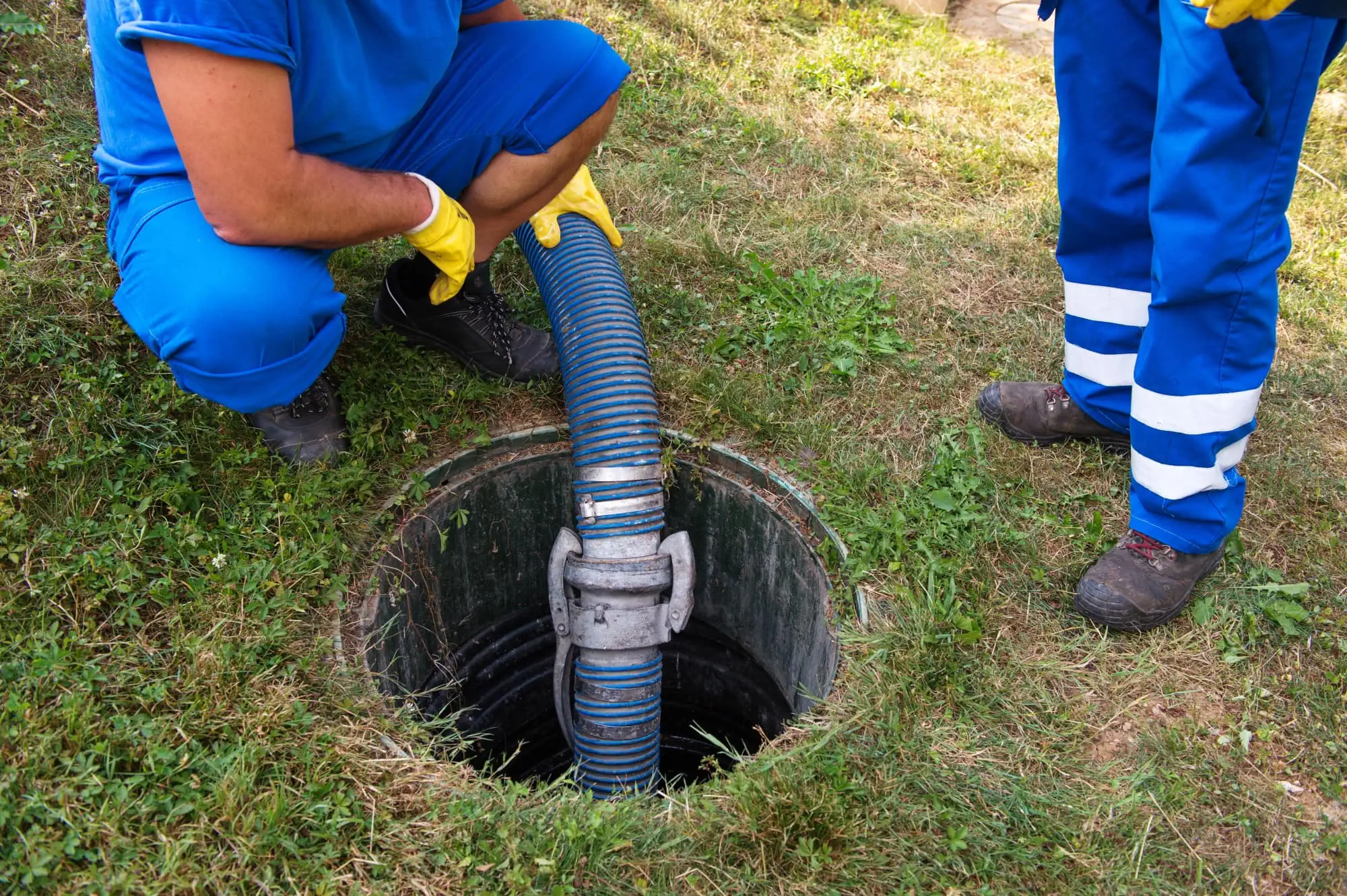
Thinking about skipping professional septic service Vernonburg homeowners actually rely on, just to save a buck or two now? Yeah, that usually backfires. Here’s why paying for the real deal upfront beats cleaning up a mess later, literally.
Most People Think Of This As An Expense, Not An Investment
That’s mistake number one, and I see it constantly. Someone gets a quote for an inspection or a pump out and goes “that’s a lot for something I can’t even see.” Fair reaction, I get it. But flip it around. A drain field replacement can run you well into the thousands, sometimes way past that depending on your property size and how long the problem sat there unnoticed. A couple hundred bucks a year for real service? That’s nothing next to that bill. It’s not spending money, it’s avoiding a much worse spend later.
What People Picture When They Hear “Professional” Isn’t Quite Right
A lot of homeowners think professional just means a truck with a tank on it and a guy with a hose. That’s part of the job sure, but it’s not the whole thing, not even close. Real service means checking baffles, testing the filter if there is one, looking over the drain field, and actually writing down what was found and when. That paperwork, boring as it sounds, matters a ton, especially if you ever go to sell the place. Buyers want proof, not a vague “yeah someone pumped it a while back, I think.”
The Cheap Guy Almost Always Costs You More Eventually
I’ve watched this happen more times than I’d like. Somebody finds the lowest bid on some classifieds site, guy shows up, pumps the tank, leaves in twenty minutes. No inspection. Don't even look at the field. Seems fine for a year, maybe two. Then it backs up because there was a cracked baffle letting solids slip straight into the drain field this whole time, and nobody caught it because nobody was supposed to be looking. So now instead of paying for a pump out, you’re paying to rebuild part of your field. The “cheap” option just delayed the bill and made it bigger. That’s not savings, that’s a loan with bad interest.
Protect Your Drain Field, That’s Where The Real Money Is
Tanks are the easy part honestly, relatively cheap to deal with if something’s wrong. The drain field though, that’s an expensive nightmare if it fails. Once that soil’s saturated and can’t absorb anymore, you’re often looking at digging up the yard, rerouting pipe, maybe pulling permits depending on what county you’re in. Most of what professional service actually does, the inspections, the proper pumping schedule, all of it, exists to keep that field from ever getting to that point. It’s the whole point of the service, really, even if nobody explains it that way.
This Is A Long Game, Not A This-Year Thing
A system that’s cared for right can run twenty five, thirty years, sometimes longer, depending a lot on soil and how much water the house uses. That’s a long stretch, and whatever choices get made early, who you hire, how often things get checked, those choices compound. Cut corners now and you’re basically borrowing time off the system’s life that you don’t get back later. Do it right and you’re stretching that lifespan way out, fewer replacements, fewer panicked phone calls, less of your weekend wasted dealing with a mess.
Nobody Thinks About Resale Value Until They’re Selling
When you go to sell a house that’s got a septic system, the buyer’s inspector is gonna ask about maintenance. A house with actual documented service history, regular and on record, that’s an easier sell, plain and simple. A house where the owner just shrugs and says “never had an issue” with nothing to back it up? That’s a red flag to anyone who knows what they’re looking at. Deals have fallen through over septic stuff, or gotten renegotiated hard after an inspection turned something up. Keeping good records protects your home’s value just as much as it protects the pipes.
Knowing The Local Dirt Actually Changes Things
Vernonburg’s ground isn’t like everywhere else in Georgia, the soil out here and the water table play into how a system behaves, how often it needs attention, all that. A company that actually works in this specific area knows what’s normal here, which is different from what’s normal forty minutes away with different dirt entirely. That local knowledge catches problems a generic company passing through might just miss. You’re not just paying for labor when you hire local expertise, you’re paying for someone who already knows the terrain.
Avoiding Emergencies Is Worth More Than People Give It Credit For
Nobody wants a septic emergency on a long weekend or right before family shows up for the holidays, or honestly ever. Regular, proper service drastically cuts the odds of that happening, because stuff gets caught while it’s small and boring instead of big and, well, smelly. And emergency calls when they do happen almost always cost more than a scheduled visit would’ve, funny how that tends to work out. Paying for consistency now is basically paying to skip the panic later.
There’s An Environmental Piece Here Too, Worth Mentioning
A septic system that’s failing or just poorly kept up isn’t only a problem, it can end up affecting groundwater and nearby waterways, especially somewhere with a higher water table like around here. Keeping your system serviced right means it’s actually treating wastewater the way it’s supposed to, instead of letting untreated stuff seep where it shouldn’t be seeping. That matters for your property obviously, but it matters for your neighbors too, and for the area generally. Nobody wants to be that house people quietly complain about.
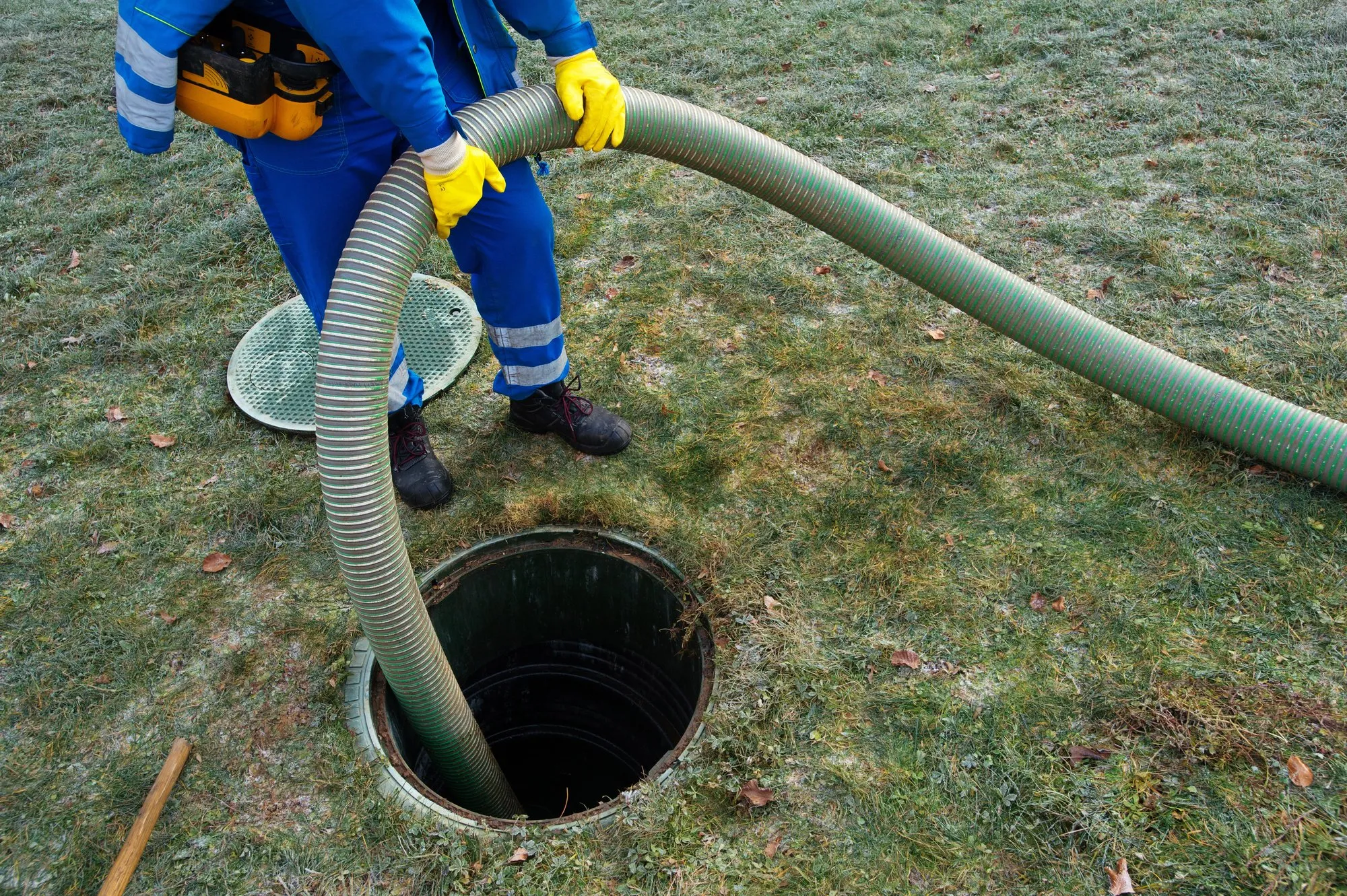
Run The Numbers And It’s Not Even Close
Stretch it out over ten years. Regular pumping plus inspections, done properly, might total a few thousand dollars across that whole stretch. Now compare that to one major drain field replacement, which can eat that same amount, or more, in a single project, single bill, single terrible phone call from your contractor. The math isn’t close at all, and that’s before you count the stress, the torn up yard, taking time off work to deal with permits and contractors standing around your property. Professional service spreads the cost into small predictable pieces instead of one gut punch out of nowhere.
Conclusion
So why’s professional septic service worth it long term? Because the alternative, cutting corners, skipping inspections, hiring whoever’s cheapest that week, nearly always ends up costing more down the road, whether that shows up as emergency Septic System repairs, a lower resale number, or a drain field replaced way before it should’ve needed to be. Think of it less as a bill and more as money spent to dodge a much bigger bill later. Get it serviced on a real schedule. Keep records, actual ones, not just memory. Work with people who know this specific area’s soil and water situation, not just whoever answered the phone fastest. Your system lasts longer, your property holds its value, and you skip standing in your yard at seven in the morning wondering why there’s water where there definitely shouldn’t be any.
FAQs
Is professional septic service actually worth it over doing it cheap or DIY?
Pretty much always, yeah. Cheap or DIY routes tend to miss the stuff that gets expensive fast, especially drain field issues, so whatever you saved upfront disappears quick.
Does regular septic service really affect what my house sells for?
It does, more than people expect. Documented history makes buyers comfortable. No records, or a system that’s clearly been neglected, can slow a sale down or knock the price.
What’s the single most expensive thing professional service helps me avoid?
Drain field failure, hands down. That’s the big one, the expensive one, and good service is basically built around keeping that from happening.
Does it actually matter if a company knows the local area, or is septic service all the same?
It matters. Vernonburg soil and water table aren’t like other spots, so local know-how catches things a generic outside company might just walk right past.
How often should I be getting professional service to protect what I’ve invested?
Usually pumping every three to five years plus periodic inspections, though your household size and how much water you run through daily can shift that a bit either direction.

 English
 Arabic
 French
 Portuguese
 Deutsch
 Turkish
 Dutch
 Italiano
 Russian
 Romaian
 Portuguese (Brazil)
 Greek