


Why Concrete Curing Records Matter During Construction Quality Reviews
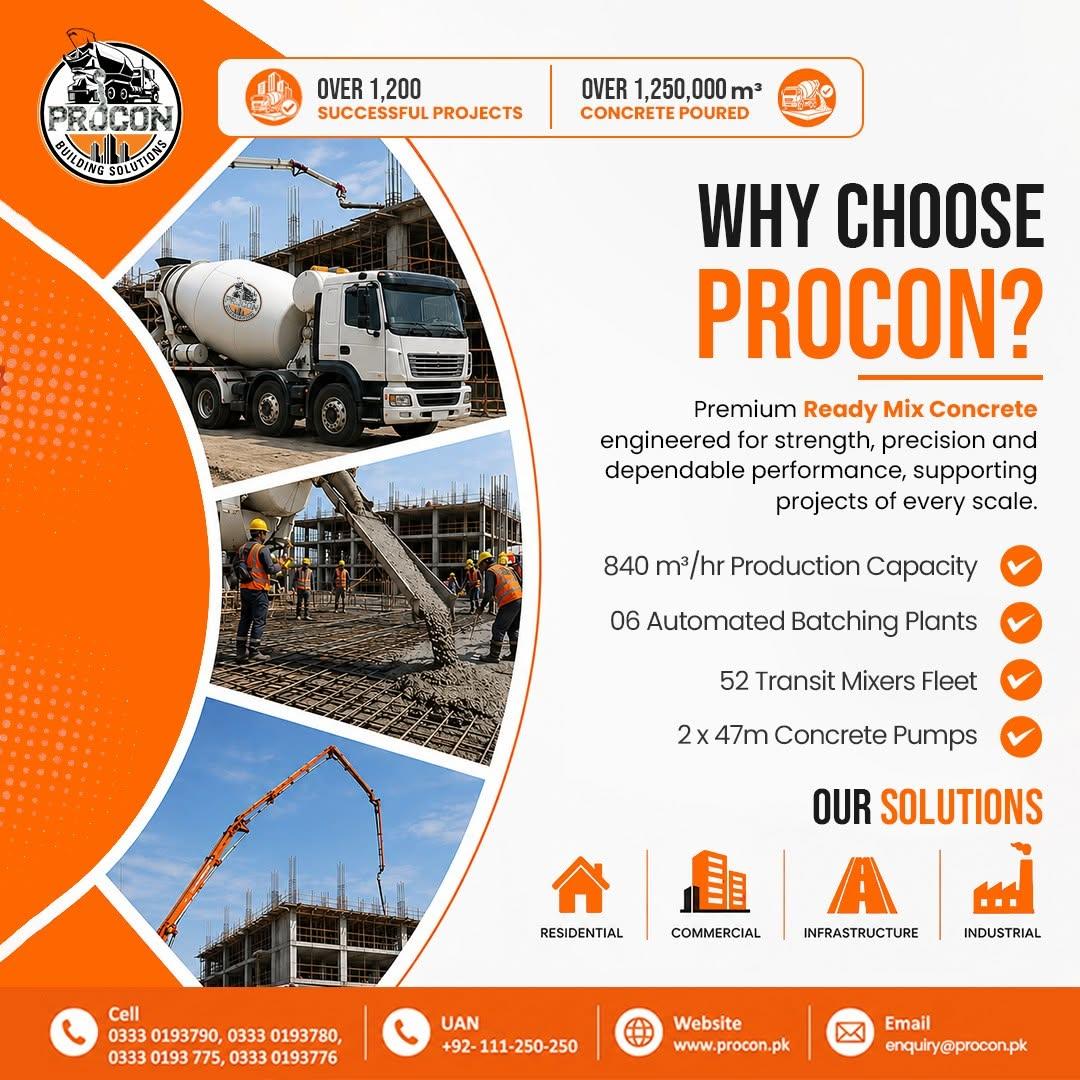
In the demanding realm of modern structural engineering, the ultimate strength, durability, and safety of any building or civil infrastructure project depend fundamentally on what happens after the concrete is poured. While selecting a high-performance mix design and achieving flawless placement are critical first steps, concrete does not gain its designed compressive strength overnight; it relies on a continuous, chemically complex hydration process that requires sustained moisture and favorable temperatures. During formal construction quality reviews and structural audits, engineers and project stakeholders frequently scrutinize documentation to verify that compliance standards were met. Among the most vital yet occasionally overlooked pieces of documentation are concrete curing records. For developers, structural engineers, and contractors seeking top-tier building supplies, advanced technical guidance, and reliable batching services, exploring insights from ready mix concrete in Karachi establishes a solid foundation for thorough quality assurance.
Understanding the Role of Curing in Strength Development
Cement hydration is not a momentary event, but a prolonged chemical reaction between water and anhydrous cement compounds. If moisture is allowed to evaporate prematurely from a fresh slab or column, hydration stops abruptly, leaving behind a porous, weak surface layer highly vulnerable to shrinkage cracking, dusting, and environmental degradation.
Key reasons curing logs are essential for tracking structural health include:
-
Verifying 28-Day Compressive Strength: Standard cylinder breaks only reflect material potential if the structural elements they represent received identical curing conditions on-site.
-
Mitigating Early-Age Thermal and Shrinkage Cracking: Documenting temperature differentials and moisture retention prevents micro-fissures from compromising long-term load capacity.
-
Establishing Legal and Contractual Compliance: Detailed curing records serve as undeniable proof that quality control specifications were strictly followed during construction.
The Risks of Inadequate Curing Documentation
When construction quality reviews take place, the absence of comprehensive curing records introduces severe liability and uncertainty. If a structural element fails a non-destructive test or core sample analysis later in the project lifecycle, project teams must determine whether the root cause was a defective batch mix design, improper site handling, or neglected curing protocols. Without daily logs tracking ambient temperatures, wind speeds, humidity, and the duration of wet-curing or membrane application, defending the structural integrity of the build becomes an uphill battle. Comprehensive logs eliminate guesswork, isolating variables and ensuring accountability across site execution teams.
Best Practices for Maintaining Accurate Curing Logs
To satisfy rigorous engineering audits, quality control managers must implement systematic, real-time documentation protocols throughout the curing window.
Essential practices for maintaining reliable records involve:
-
Deploying Maturity Meters and Temperature Sensors: Utilizing embedded wireless sensors to monitor internal concrete temperatures and calculate real-time maturity curves, ensuring elements are not prematurely loaded or stripped of formwork.
-
Logging Environmental Conditions: Recording ambient temperature extremes, relative humidity, and wind velocity twice daily to justify adjustments in curing compound application or extended wet-blanket schedules.
-
Standardizing Sign-Off Workflows: Requiring quality control inspectors to sign off daily on active curing measures—such as continuous sprinkler cycles, ponding maintenance, or curing blanket integrity.
Conclusion
Concrete curing records are far more than administrative paperwork; they are the definitive historical proof of structural integrity and long-term durability. By meticulously tracking moisture retention, internal temperatures, and hydration timelines, project teams protect their investments against premature degradation and structural failure. Rigorous documentation transforms routine quality reviews into confident milestones of engineering excellence. To explore advanced construction methodologies, high-performance building supplies, and expert technical resources tailored to the region's demanding engineering environment, visit ready mix concrete in Karachi and elevate your construction quality assurance standards today.
Survey No. 423, Ibrahim Hydri, behind Bol head quarter, Korangi creek road, Karachi-74900
+92 21 111 250 250

 English
 Arabic
 French
 Spanish
 Portuguese
 Deutsch
 Turkish
 Dutch
 Italiano
 Russian
 Romaian
 Portuguese (Brazil)