


How to Choose the Right Tube Sealing Machine for Your Production Line
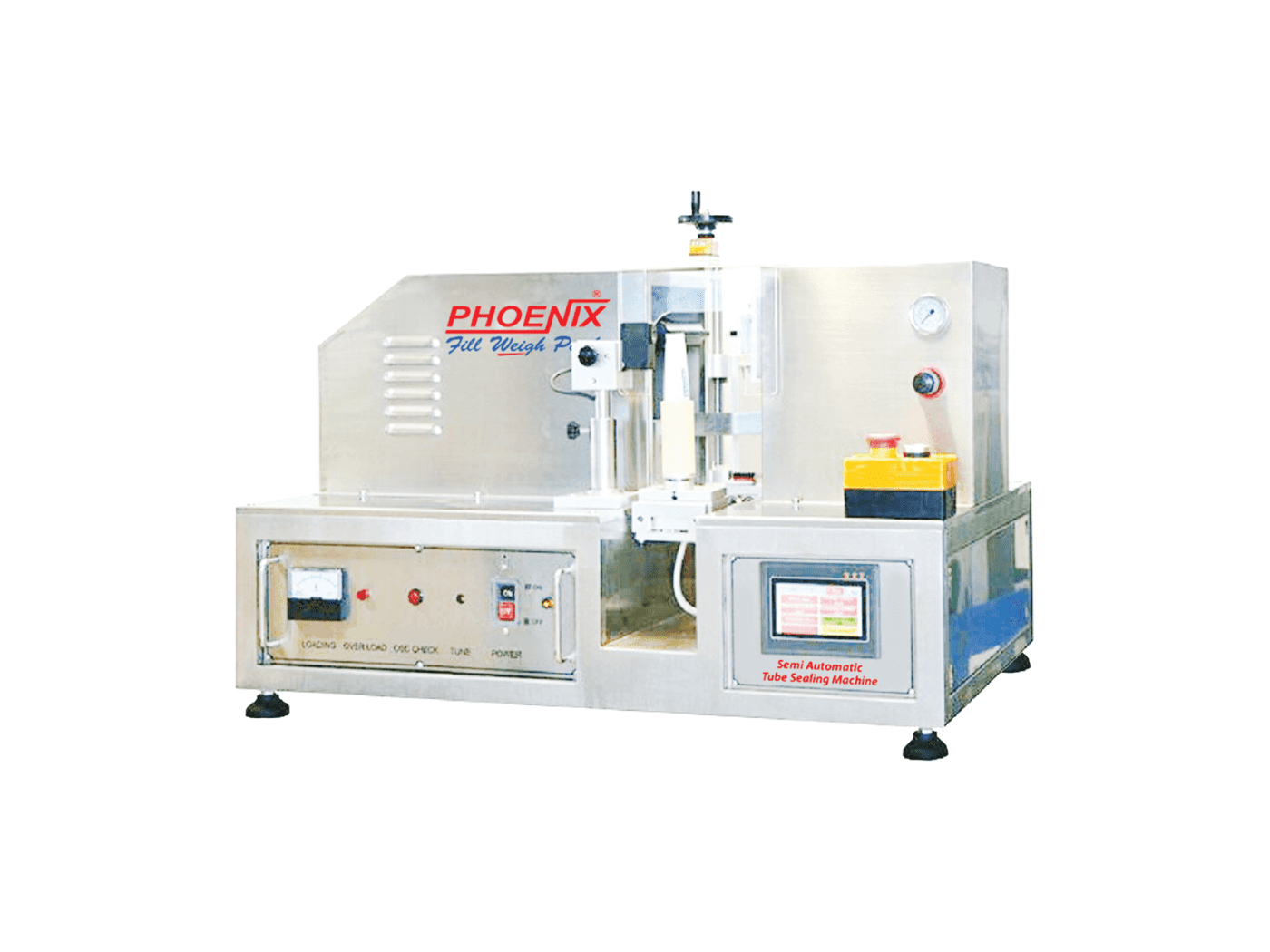
What a tube sealing machine actually does
A tube sealing machine closes pre-filled tubes — usually laminate, plastic, or aluminum — by applying heat, ultrasonic vibration, or pressure to fuse the open end shut, often while simultaneously printing a batch code or expiry date onto the seal. The method depends on the tube material: laminate tubes typically need heat sealing, while plastic tubes are more commonly closed with ultrasonic sealing for a cleaner, faster bond.

Key factors to evaluate before buying
1. Sealing diameter and height range — Confirm the machine handles your full SKU range, not just your current best-seller. A machine rated for a narrow diameter window will bottleneck you the moment you add a new tube size.
2. Output rate — Mid-range semi-automatic units typically run 15–25 tubes per minute; full production lines need to match this to upstream filling speed or you'll create a queue at the sealing station.
3. Power requirements — Industrial units usually run on 3-phase power. Verify your facility's electrical setup before committing, since retrofitting is a real added cost.
4. Build and footprint — Sealing stations with a compact frame are easier to slot into an existing line without a full layout redesign.
5. Coding/batch printing — Regulatory tubes (pharma, cosmetics) often need batch/expiry printing at the seal point — check whether this is built in or a separate add-on.
Common mistakes buyers make
The most frequent issue isn't the machine spec sheet — it's mismatching the sealing method to the tube material. Ultrasonic sealers on laminate tubes, or heat sealers on the wrong plastic grade, produce inconsistent seals that only show up as a problem after the product has shipped. Always request a test run with your actual tube stock before finalizing a purchase, not just the supplier's sample material.
Where to look
Suppliers serving the UAE packaging market, such as Phoenix Pack (https://phoenix-pack.com/product/tube-sealing-machine/), offer tube sealing machines built for mid-volume production lines, with sealing diameters from 5–50 mm and configurable output up to 25 tubes per minute — a useful reference point when comparing specs across vendors.
Bottom line
A tube sealing machine is a small line item on a packaging budget that has an outsized effect on product quality downstream. Match the sealing method to your tube material, size the machine to your real (not current) SKU range, and always test with your own stock before signing off.

 Arabic
 French
 Spanish
 Portuguese
 Deutsch
 Turkish
 Dutch
 Italiano
 Russian
 Romaian
 Portuguese (Brazil)
 Greek