


How to Drill Accurate Holes in Stainless Steel Without Damaging the Material
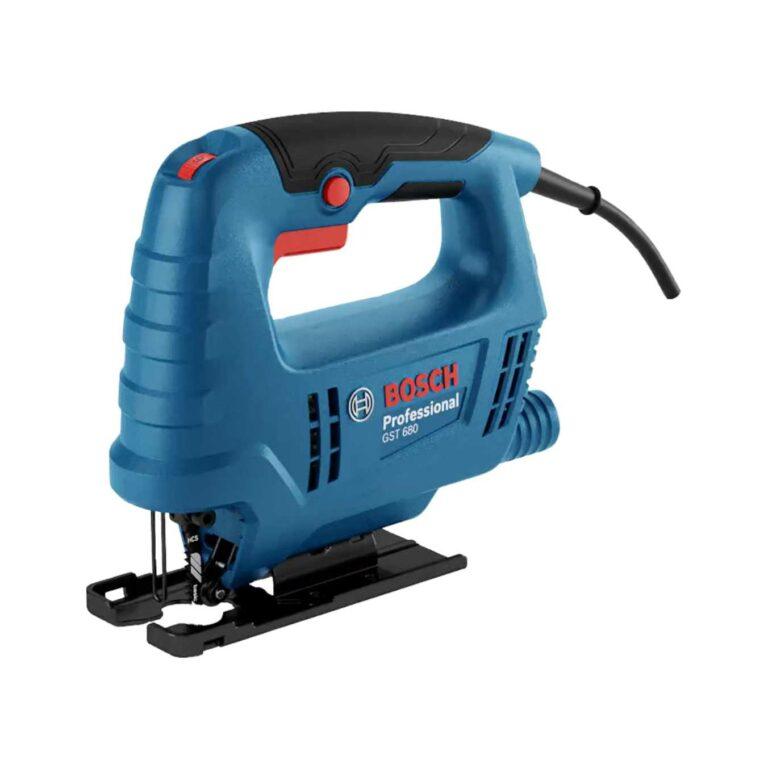
Drilling accurate holes in stainless steel can be challenging, especially when working with hard metal sheets, pipes, panels, or industrial components. Excessive heat, incorrect cutting tools, and improper drilling techniques can damage the material, reduce tool life, and affect the final finish. Choosing the right stainless steel hole saw and following the correct drilling procedure can help achieve clean, precise holes with less effort.
For workshops, fabrication companies, maintenance teams, and construction professionals in the UAE, selecting suitable cutting tools is essential for improving productivity and maintaining quality. Reliable tools suppliers in UAE can help businesses source appropriate hole saws and accessories for different stainless steel applications.
1. Choose the Right Stainless Steel Hole Saw
Selecting the correct hole saw is the first step towards accurate drilling. Stainless steel is strong and generates significant heat during cutting, so ordinary hole saws may wear out quickly or produce poor results.
When choosing a stainless steel hole saw, consider the following factors:
-
Material compatibility: Select a hole saw designed for stainless steel and other hard metals.
-
Cutting material: Bi-metal hole saws with high-speed steel cutting teeth are suitable for many applications. Carbide-tipped hole saws can be useful for demanding jobs, depending on the material and tool specifications.
-
Hole diameter: Choose a size that matches the required opening to minimize rework.
-
Cutting depth: Ensure the hole saw can cut through the full thickness of the workpiece.
-
Tool compatibility: Check that the arbor and hole saw are suitable for your drill.
Working with experienced tools suppliers in UAE can help you identify the right cutting accessories for workshop fabrication, metalworking, and industrial maintenance.
2. Mark the Drilling Position Accurately
Incorrect positioning can result in misaligned holes, damaged components, and unnecessary material waste. Before drilling, measure the required location carefully and mark the center point.
Use a measuring tool and a permanent marker or suitable metal-marking tool. A centre punch can help create a small indentation that keeps the pilot drill from wandering, provided the material and application allow it.
For thin stainless steel sheets, consider using a suitable drilling guide or securing the workpiece with clamps. Accurate marking is particularly important when drilling multiple holes in equipment panels, enclosures, and fabrication components.
Practical tip: Double-check the measurements before drilling, especially when the component must fit bolts, pipes, or other mechanical parts.
3. Use the Correct Speed and Cutting Pressure
Heat is one of the main challenges when drilling stainless steel. Excessive drilling speed can increase friction, damage cutting teeth, and cause work hardening. Work hardening makes the surface harder to cut, potentially making further drilling more difficult.
To reduce these risks:
-
Use a low, controlled drilling speed appropriate for the hole saw diameter and stainless steel grade.
-
Apply steady, moderate pressure instead of forcing the drill.
-
Avoid running the hole saw continuously at high speed.
-
Allow the cutting teeth to remove material rather than simply rubbing against the surface.
-
Follow the hole saw manufacturer's recommended operating instructions.
The correct speed depends on factors such as hole diameter, material thickness, stainless steel grade, and cutting-tool design. There is no single speed suitable for every application.
4. Apply Suitable Cutting Lubricant
Cutting lubricant helps reduce friction and heat during drilling. It can also improve cutting performance and extend the life of the hole saw when used correctly.
Apply a cutting fluid specifically recommended for stainless steel and compatible with the tool and workpiece. Use enough lubricant to support the cutting process, following the manufacturer's instructions.
For deeper holes or thicker materials, controlled drilling in short intervals may help manage heat and remove metal chips. Stop the drill before clearing chips, and never remove debris while the tool is rotating.
If the workpiece becomes excessively hot or the cutting action slows significantly, stop and check the tool, lubrication, speed, and cutting technique.
5. Secure the Workpiece and Follow Safety Procedures
A stainless steel sheet or pipe can move suddenly if it is not secured properly. This can damage the material and create a safety hazard.
Before drilling, clamp the workpiece firmly to a stable surface. Use a drill press when the application requires greater positional accuracy and the equipment is suitable for the job.
Wear appropriate eye protection and follow workshop safety procedures. Keep hands away from rotating parts, secure loose clothing and hair, and allow the tool to stop completely before inspecting the hole.
Avoid holding small metal components by hand while drilling. Proper workholding improves both operator safety and hole accuracy.
6. Inspect the Hole and Finish the Edges
After drilling, inspect the opening for rough edges, burrs, and dimensional accuracy. Burrs can affect component fit and create sharp edges during handling.
Use a suitable deburring tool or metal file to remove sharp edges safely. For applications requiring a clean finish, inspect the hole diameter and surface condition against the project specifications.
If the hole is uneven, check whether the workpiece moved, the hole saw became worn, or the drilling speed and pressure were unsuitable. Identifying the cause can prevent similar problems in future jobs.
Why Choose Reliable Tools Suppliers in UAE?
Industrial workshops and fabrication businesses need cutting tools that deliver consistent performance under demanding working conditions. Reliable tools suppliers in UAE can help buyers compare stainless steel hole saw options, compatible arbors, drilling accessories, and other metalworking tools.
When selecting a supplier, consider product quality, availability, technical guidance, compatibility with your equipment, and after-sales support. Choosing the right tools from the beginning can reduce tool replacement costs, improve work efficiency, and help maintain consistent results across projects.
Conclusion
Drilling accurate holes in stainless steel requires the right hole saw, careful measurement, controlled drilling speed, suitable lubrication, and secure workholding. These practices help reduce overheating, minimize burrs, protect the material, and extend cutting-tool life.
Whether you manage a fabrication workshop, maintenance department, or construction project, investing in a suitable stainless steel hole saw can improve drilling quality and operational efficiency.
Looking for dependable cutting tools for your next project? Contact a trusted tools supplier in UAE to explore stainless steel hole saws and accessories suited to your material, hole size, and application.
Frequently Asked Questions
1. Which stainless steel hole saw is best for drilling metal?
A bi-metal hole saw with high-speed steel teeth is suitable for many stainless steel applications. Carbide-tipped options may be preferable for certain demanding jobs. The best choice depends on material grade, thickness, hole diameter, and manufacturer recommendations.
2. How can I prevent a stainless steel hole saw from overheating?
Use the recommended low cutting speed, apply suitable cutting lubricant, maintain steady pressure, and avoid continuous high-speed drilling. Stop if excessive heat develops and check the tool and drilling conditions.
3. Can I use a regular hole saw on stainless steel?
A regular hole saw designed for wood or general-purpose applications may not be suitable for stainless steel. Use a hole saw specifically rated for cutting stainless steel to achieve better results and reduce premature tool wear.
4. Where can I buy a stainless steel hole saw in the UAE?
You can source stainless steel hole saws from industrial cutting-tool distributors, hardware suppliers, and specialized tools suppliers in UAE. Compare cutting materials, size options, compatibility, product specifications, and supplier support before purchasing.

 English
 Arabic
 Spanish
 Portuguese
 Deutsch
 Turkish
 Dutch
 Italiano
 Russian
 Romaian
 Portuguese (Brazil)
 Greek