


The Ultimate Guide to Choosing the Perfect Wedding Suit for Men
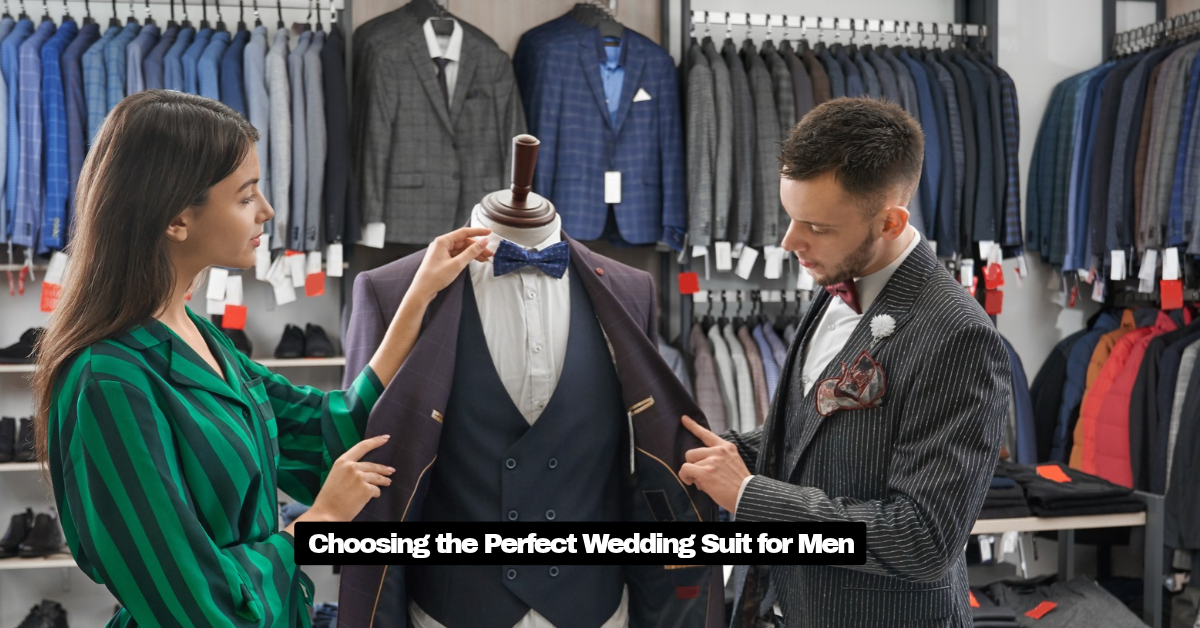
A wedding suit needs to be able to perform multiple functions. It needs to be in line with the photos, fit for a whole day, appropriate for the environment and still be YOU! It's a tall order for any single outfit, and hence the difficulty in picking one.
This tutorial follows a sensible sequence: Start with fashioning the suit to the wedding, then match the colour, the fabric and the style, the fit and the last, but not least, the appropriate details and the sequence of events. Take it step by step and it'll be a lot less hysterical.
How to Get a Wedding Match to the Suits?
The main attraction isn't the suit itself; it's the wedding itself. What to wear is much more obvious than a catalogue suggests: the season and the formality of the occasion will reveal this more than anything else; and a suit that makes sense for the occasion will turn out to be better than one that just appears out of nowhere.
Begin with formality. For an elegant, dark suit with a sharp white shirt, a traditional church service and then a reception at the hotel work well. For a lighter colour, softer fabrics and a more relaxed look with a wedding tie, consider a barn, vineyard or garden wedding. A simple register office ceremony may be simpler, so a good two-piece suit might suffice. In the case of an invitation that indicates evening "black tie," you will need a tuxedo, not a suit.
Next, think about the season and the time of day. Lighter wool, cotton combinations and lighter colours like light grey, stone and soft blue are ideal for spring and summer weddings. These fabrics breathe, are more tolerant of warm afternoons and look great in daylight.
Heavier wool, deep colours like burgundy, green or navy are ideal for autumn and winter weddings and a waistcoat can really be a useful accessory. If the day continues into the evening, pick the color that will look good both in natural and artificial lighting. Navy and mid grey are safe choices, virtually all the time.
Then discuss with your partner. You don't need to match, but outfit them should seem like it's the same day. Pass on the colour scheme, the tone and any specific theme, so that your suit will look at ease with the rest of the bridesmaids' dress, the flowers and the wedding party. This is much easier to discuss prior to purchase than after.
Last but not least, don't wear the suit for too long. A jacket that looks great for 10 minutes in the fitting room will feel very different after a ceremony, a long meal and a night of dancing. Consider comfort, movement and temperature, as well as appearance and you will have a much better day.
What colour, style and fabric is best for a Groom?
The first thing that people see is colour, so it must be taken into consideration. Navy is the most popular and secure color to wear for a groom, and it will look good on almost any skin tone, in daylight and on-screen when lit with artificial light, and with nearly any shirt, tie and shoe. Close behind comes charcoal and mid-grey which are more serious and formal. Light grey and stone look fresh for spring and summer weddings; deeper colors like forest green, burgundy and brown lend warmth and personality to fall and winter weddings. Black is reserved for evening and black-tie events, where it will not look so heavy.
When in doubt, opt for a darker shade. Dark colours conceal marks, enhance most figures and look good in photographs. Alternatively, if you opt for a more striking color, try it in natural light and ensure it complements the wedding color scheme as colours can appear quite differently in-store than in the natural world.
Fabric has an impact on comfort and appearance. Wool is the universal choice as it offers the most versatility, is easy to drape, resistant to creasing, and lighter options help keep you cool during the summer months and heavier options will keep you warm in the winter months. Linen is casual and airy, but it can wrinkle and is best for summer weddings. Tweed is a great addition to countryside and winter festivities. Regardless of which you select, test the cloth, inspect the lining and walk around in the cloth that you are considering prior to making the choice.
After that the style. The 2-piece suit is easy, simple and comfortable. For a 3-piece suit, there's an extra jacket, which means an added waistcoat that will add a nice finishing touch, keep you warm, and allow you to take off the jacket at the reception without going soft in the middle. It is also the simplest way to differentiate the groom from the other groomsmen, as the waistcoat can be of a different colour or be a different fabric. One of the more common suit styles is the classic navy 3 piece suit, as it is confident enough for the wedding ceremony, relaxed enough for the reception and can easily be put on again after the event.
Don't neglect to consider the rest of the crowd. The groom's suit should fit right next to the groomsmen's suits and the bridal party, using the same colour thread but no too much in detail. It is possible to usually distinguish the groom in photos by a different waistcoat, tie or pocket square, while not causing a disruption in harmony.
The proper fit of a bridesmaids' suit is just as crucial as the dress, if not more.
Fit is more important than price, brand or fabric. It's worth sifting through every detail, as a modest suit, which fits well, will look much better than an expensive one that doesn't, and the pictures will make that obvious.
How Should a Wedding Suit Fit?
Begin at the upper back with the shoulders. The seam should stop at the same place as the shoulder and the material should not be puckered or rolled up. When the jacket hangs over the edge, it is too big and when the jacket pulls or ripples, it is too small. The shoulders are the most difficult place to make changes to a jacket, so make them the first to get right.
Then examine the chest and belly. The button should be able to be fastened without the fabric being pulled in an X shape and the jacket should lie flat against your body instead of sticking to it. It must be long enough to reach your seat and the sleeves stopped at the end of your wrist bone with about a centimetre of shirt cuff showing. Trousers must be at your natural waist level and as untucked as possible ending just over the shoe. Waistcoat should completely cover the waistband, lie flat and be left with the bottom button open.
Try the fit to move. Raise up arms, sit, bend over, hug each other and pretend to dance. If the jacket rides up, the trousers dig in or the waistcoat gapes, please inquire about alterations. A good tailor can lengthen or shorten the sleeves, shorten or lengthen the trousers and waist, but changing the shoulders is very difficult.
When shopping online or if you are not sure of your size, please refer to a men's suit size guide to ensure you get the correct size. Have a friend measure you to ensure accurate measurements of your chest, waist, inside leg and sleeve length. Keep in mind your body might alter slightly prior to the wedding, whether you're exercising, dealing with stress or just celebrating, so have a last fitting very near the date. Take the shirt and shoes you are going to wear as they will have an impact on the display of the cuffs and on the breaking of the trousers.
What do you do after the outfit is put together to complete the look and how do you plan ahead?
After you pick your suit, it is the smaller pieces that will make the outfit look complete. This is a white shirt, which is the most comfortable and flattering option since it is easy to keep clean and goes with all suits. The wedding colours can be incorporated into the tie or bow tie, choose a colour that matches the wedding flowers or bridesmaid dresses. Pocket square, simple cufflinks (for French cuffs) and black or brown clean and polished leather shoes. Before the big day, break in the shoes to ensure there are no blisters, one of the most frequent wedding regrets.
Also, coordination with the groomsmen is important. Determine colors together, show fabric samples or pictures and take everyone's size measurements VERY early in the process. When purchasing for the entire group, the options to look at a selection of wedding suits for men together will allow everyone to be able to view the choices side by side and ensure consistency of colour in photos.
The most important factor is timing. A smart timetable should be well structured as follows:
l Three to four months ahead of time, select the suit and order.
l Six to eight weeks prior: attend first fitting and make changes as necessary.
l Two to three weeks ahead of time, do the last fitting of the shirt and shoes.
l A week before: Take the suit and iron out any creases, hang in a secure location.
Establish a budget for the suit, alterations, shirt, tie, shoes and accessories, and have a little extra on hand just in case there are changes at the last minute. If you plan to use the suit again for work, or other activities, it is worth the extra expense in the long run. Test the suit on the customer, discuss the time of the alterations and what occurs should an adjustment need to be made. Once you have clear answers to those questions, the last weeks will be much less stressful.
On the day, dress slowly and make sure you have an extra shirt, a couple of plasters and a small stain remover pen with you, and ask someone you trust to look over your collar, tie and pocket square before you leave. If your suit fits, your colours match and all the details are correct, then you're not worrying about your suit and you can have a great day.

 English
 Arabic
 French
 Spanish
 Portuguese
 Deutsch
 Turkish
 Dutch
 Italiano
 Russian
 Romaian
 Greek