


Home Theatre Vancouver: A Guide to Creating an Enjoyable Home Entertainment Space
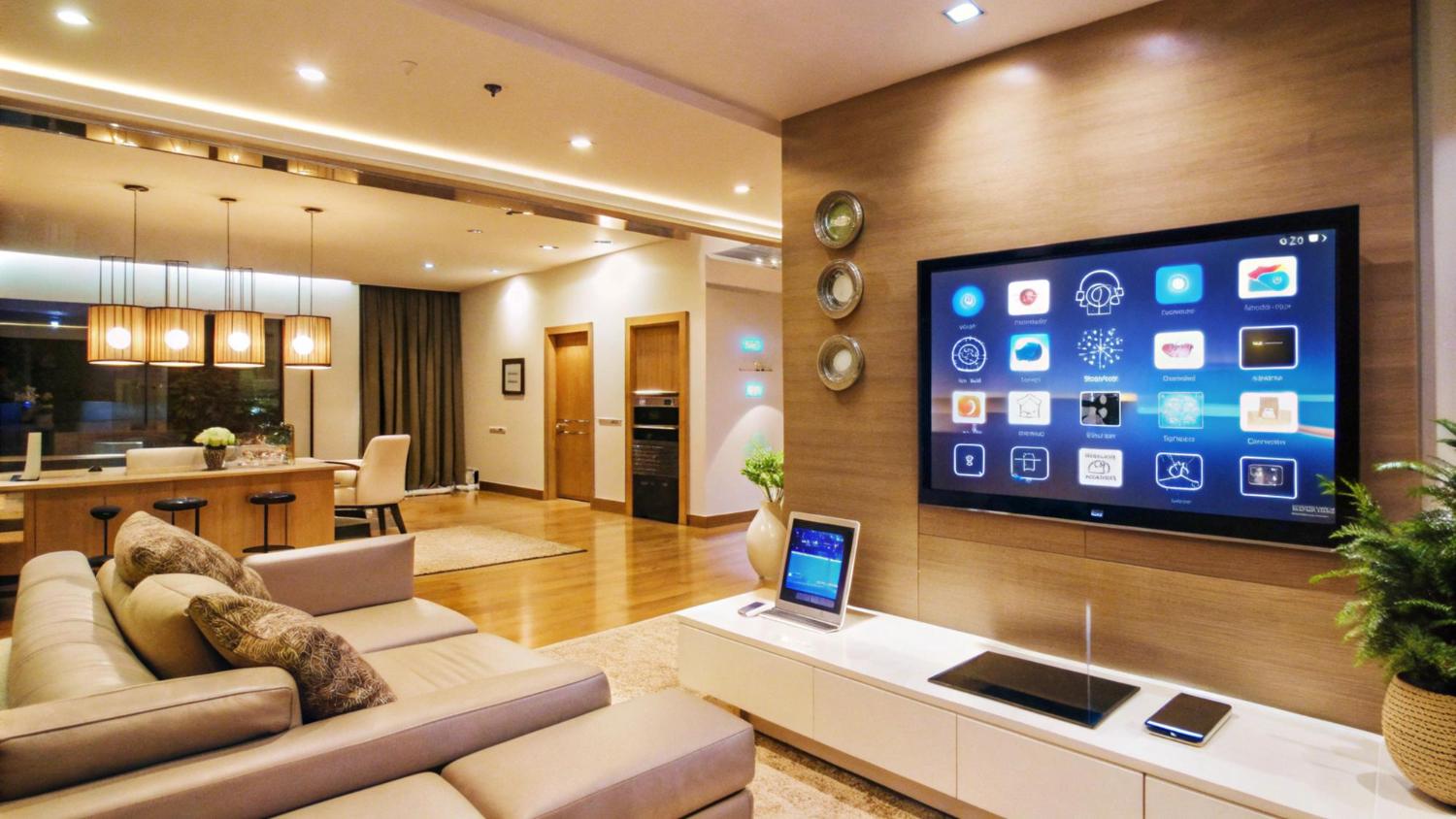
Home Theatre Vancouver is a relevant topic for homeowners and residents interested in creating dedicated entertainment spaces within their properties. With advances in audiovisual technology, home theatres can provide an organized environment for watching films, enjoying television programmes, following sports, and experiencing digital entertainment. In Vancouver, Canada, considerations such as property size, room layout, lighting conditions, and sound management influence how these spaces are planned and configured.
A home theatre typically combines a display, audio equipment, seating, and lighting controls to create a comfortable viewing environment. Depending on the available space and household requirements, the setup may range from a simple television arrangement to a dedicated room with a projector and surround-sound speakers. Understanding the main components and planning considerations helps residents make informed decisions about home theatre design.
Understanding Home Theatre Systems in Vancouver
A home theatre is a residential entertainment setup designed to reproduce visual and audio content within a home. Its main purpose is to provide a suitable viewing experience while accommodating the property's layout and the preferences of its occupants.
In Vancouver, home theatre systems can be installed in detached houses, townhomes, condominiums, and apartments. Larger homes may have space for a dedicated entertainment room, while smaller properties may use a living room or multipurpose area.
The design depends on several factors, including room dimensions, ceiling height, natural light, electrical outlets, furniture placement, and sound transmission between rooms. Condominium residents may also need to consider building rules concerning electrical modifications, wall mounting, and noise levels.
Essential Components of a Home Theatre
1. Display and Viewing Options
The display is one of the most important elements of a home theatre. Common options include large-screen televisions and projectors paired with suitable projection surfaces.
Televisions can be practical for rooms with significant ambient light because many models offer high brightness levels. Projectors can create a larger image, although their performance depends on projection distance, screen size, room lighting, and installation conditions.
Choosing an appropriate display requires consideration of viewing distance and seating arrangements. A screen that is too large for a small room may cause viewing discomfort, while a screen that is too small may reduce visibility for viewers sitting farther away.
The room's natural and artificial lighting should also be considered. Window coverings and adjustable lighting can help reduce reflections and improve viewing conditions during daytime and evening use.
2. Audio and Surround Sound
Audio equipment contributes significantly to the home theatre experience. A basic arrangement may include a television's built-in speakers or a separate soundbar, while more advanced systems can include multiple speakers and a subwoofer.
Surround-sound configurations use speakers positioned around the viewing area to create a more spatial audio experience. Their effectiveness depends on speaker placement, room acoustics, and the audio format being played.
Vancouver residents living in condominiums or attached homes should pay particular attention to sound transmission. Low-frequency sounds can travel through walls, ceilings, and floors, potentially affecting neighbouring households.
Appropriate speaker positioning, reasonable volume settings, rugs, curtains, and suitable acoustic treatments may help manage sound within a room. Any structural soundproofing work should be assessed according to the building's requirements.
3. Seating and Room Layout
Comfortable seating and an appropriate room layout are essential elements of home theatre planning. Seating should provide a clear view of the display without obstructing speakers or walkways.
In a dedicated room, seating may be arranged in one or more rows, depending on the available floor space. In a multipurpose living room, furniture may need to serve several functions without making the area difficult to navigate.
Viewing distance, screen height, and the position of the primary seating area should be considered together. The display should generally be positioned so viewers can watch comfortably without repeatedly tilting their heads.
Cable routing is another practical consideration. Organizing cables along suitable pathways can reduce clutter and help prevent tripping hazards.
Lighting and Interior Design
Lighting affects both visibility and the atmosphere of a home theatre. Bright overhead lighting may create reflections on a screen, while insufficient lighting can make movement around the room difficult.
Layered lighting can provide flexibility. Ambient lighting supports general visibility, while adjustable lamps or indirect lighting can create a softer environment during viewing. Dimmable controls allow brightness levels to be changed according to the activity.
Interior finishes also influence the room's appearance and acoustic performance. Curtains, carpets, upholstered furniture, and other soft materials can absorb some sound reflections. Their effectiveness depends on the material, thickness, and placement.
In Vancouver, where cloudy weather and seasonal daylight changes can affect indoor lighting, adaptable window coverings can help maintain consistent viewing conditions throughout the year.
Planning for Vancouver Homes
Home theatre planning should account for the specific requirements of the property. Detached houses may offer greater flexibility for dedicated rooms, whereas apartments and condominiums often require compact equipment and careful noise management.
Electrical capacity, ventilation, internet connectivity, and available outlets should be reviewed before installation. Projectors and audiovisual equipment may also require adequate ventilation to prevent excessive heat accumulation.
For rented properties, permission may be needed before drilling walls, mounting displays, or making permanent changes. Condominium residents should check applicable bylaws and building requirements, particularly when installation affects shared infrastructure.
A practical budget should account for the display, audio equipment, mounting hardware, cables, seating, lighting, and any necessary installation work. Planning these elements together can help avoid compatibility issues and unnecessary changes later.
Smart Controls and Equipment Integration
Connected controls can simplify the management of home theatre equipment. Compatible systems may allow residents to adjust lighting, operate displays, switch audio sources, and control volume through a shared interface.
Automated settings can also be configured for different activities. For example, a viewing setting may dim selected lights while keeping pathway lighting available.
However, not every device works with every control platform. Compatibility, wireless coverage, software support, and manual operating options should be checked before devices are combined.
Conclusion
Home Theatre Vancouver involves more than selecting audiovisual equipment. A successful setup depends on display selection, audio quality, seating arrangements, lighting, room acoustics, and the practical limitations of the property.
In Vancouver, factors such as condominium regulations, shared walls, room dimensions, and changing daylight conditions can influence the final design. By evaluating these considerations carefully, residents can create a home entertainment space that supports comfortable viewing, responsible sound management, and effective use of available living space.

 English
 Arabic
 French
 Spanish
 Portuguese
 Deutsch
 Turkish
 Dutch
 Italiano
 Russian
 Romaian
 Portuguese (Brazil)