


Why a Lounging Corner Sofa Is the Smartest Addition to Your Indian Living Room
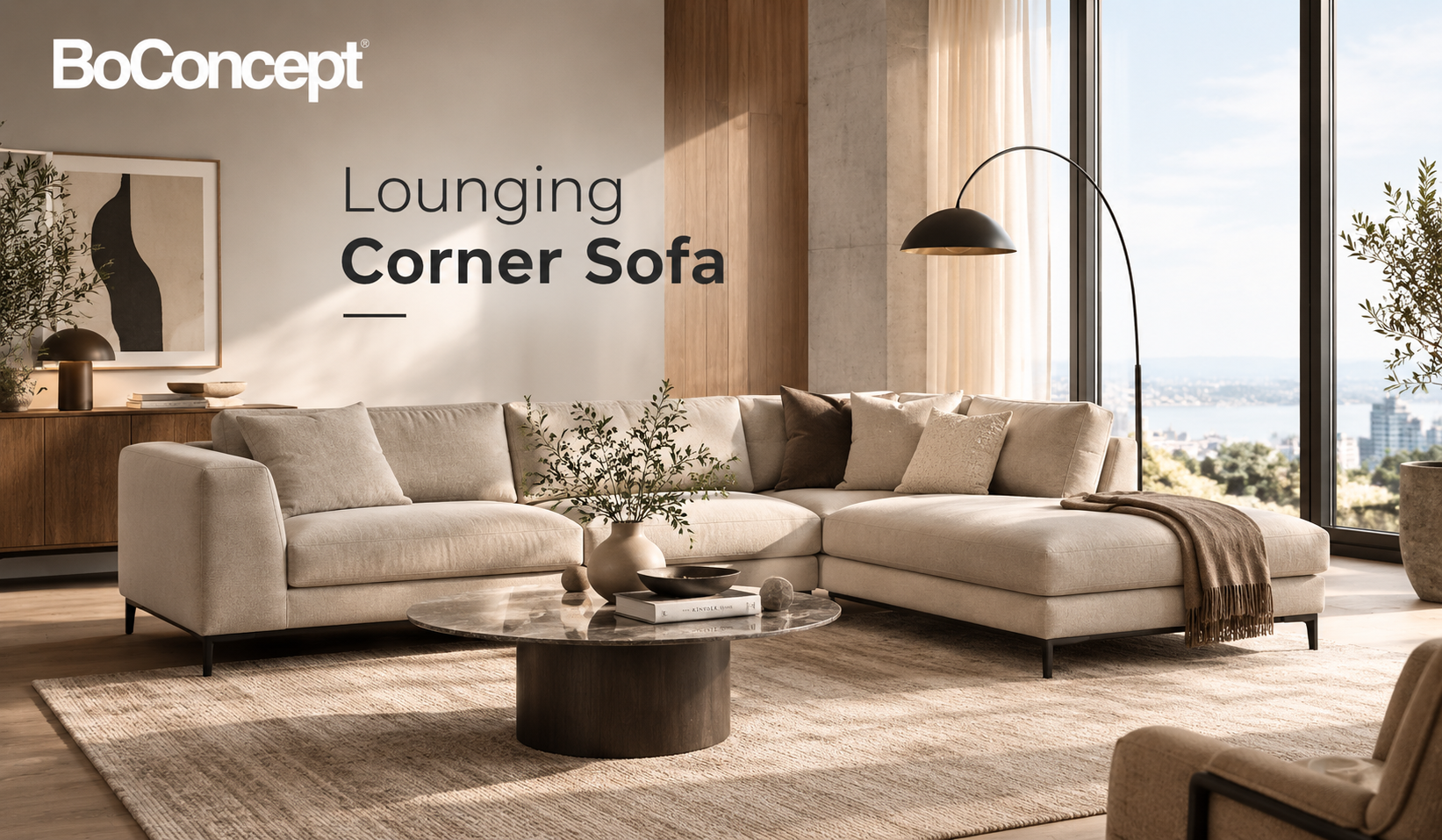
Walk into most Indian homes today and you’ll notice a quiet shift happening in how living rooms are designed. People aren’t just buying furniture anymore; they’re building spaces that actually match the way they live. And right at the centre of this shift sits one piece that keeps coming up in conversations with interior designers and homeowners alike — the Lounging Corner Sofa.
If you’ve ever stretched out after a long day, you already know why this shape works so well. Unlike a standard three-seater that forces everyone to sit upright and face forward, a corner sofa wraps around the room’s edge, giving you more usable seating without eating into floor space. It’s practical in a way that regular sofas simply aren’t, especially in Indian apartments where square footage is often tight but families still want a space big enough for everyone to gather.
What makes these sofas particularly interesting is the chaise longue element many of them include. That extended seat on one side isn’t just for show — it genuinely changes how you use the sofa. One evening you might be curled up with a book, legs stretched out; the next, three people are sitting across it watching a movie together. This kind of flexibility is something European furniture brands have understood for decades, and it’s finally catching on in Indian homes too, particularly among younger buyers who’ve travelled or been exposed to international design through social media and interiors magazines.
There’s also a quieter reason this shape works so well in Indian households specifically. Our living rooms tend to double up — they’re where guests are entertained, where kids do homework, where someone naps on a Sunday afternoon. A corner sofa handles all of these roles better than most other seating options because it naturally creates distinct zones within one piece. You get a formal-ish seating area on one side and a relaxed lounging spot on the other, all without buying two separate pieces of furniture.
From a design standpoint, material choice matters more than people initially think. In India’s climate, where humidity swings widely between seasons, fabric and leather behave very differently. A good quality fabric upholstery with a tighter weave tends to hold up better against dust and daily wear, while leather options need more consistent care but offer a cleaner, more premium look that ages well if maintained properly. Either way, the frame underneath matters just as much as what’s covering it — a sofa that sags within two years isn’t saving you money just because it was cheaper upfront.
Colour and placement also deserve more thought than they usually get. Lighter, neutral tones work beautifully in smaller Indian apartments because they don’t visually shrink the room, while deeper, richer shades suit larger spaces or homes that lean into a more layered, designed look. Positioning the sofa so the chaise end faces a window or the room’s natural focal point tends to make the whole living area feel more intentional rather than just functional.
If you’re currently exploring options, it’s worth looking at how established European design houses approach this category — their chaise longue and corner sofa ranges often balance proportion, comfort, and material quality in a way that’s hard to find locally, even if the price point sits a notch higher. Spending time comparing a few designs before committing usually pays off, since this isn’t a piece you’ll be replacing every couple of years.
At the end of the day, a lounging corner sofa isn’t just about filling space — it’s about rethinking how a room gets lived in day after day.

 English
 Arabic
 French
 Spanish
 Portuguese
 Deutsch
 Turkish
 Dutch
 Italiano
 Russian
 Portuguese (Brazil)
 Greek