


Microscope for Kids: Answers to Common Questions for Young Scientists
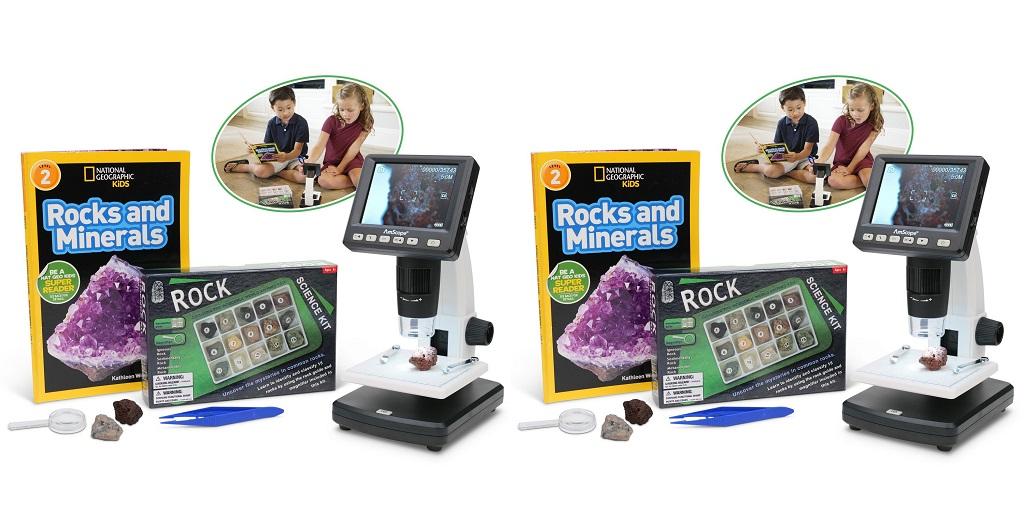
A microscope for kids opens an undiscovered world of cells, plant structures, insects, crystals, and tiny specimens. For parents and educators, choosing the right model raises questions about magnification, microscope types, lighting, and accessories. This article explores these details, making it easier to choose equipment that suits a child’s age and interests.
What Types of Microscopes Are Available for Kids?
Several microscope designs suit young learners. Pocket microscopes are compact and easy to carry, making them well suited to quick observations at home or outdoors. Digital models connect to screens, allowing children to view specimens on a larger display.
Compound microscopes use multiple lenses to provide higher magnification. They work well for examining prepared slides, cells, and other very small structures. Stereo microscopes provide three-dimensional views and lower magnification. They are best for larger specimens such as insects, rocks, leaves, and small objects.
Beginner optical microscopes provide a traditional introduction to microscope work. Their controls allow children to practice focusing and positioning slides independently.
How Much Magnification Does a Child Need?
Magnification determines how large a specimen appears through the eyepiece. Common beginner models offer magnification levels such as 40x, 100x, 400x, or higher.
Higher magnification does not automatically improve the viewing experience. As magnification increases, the visible area becomes smaller and focusing becomes more sensitive. For younger children, moderate magnification may make handling easier and observations clearer.
Compound microscopes with 400x magnification can provide lots of detail for basic biology activities. Higher powers may suit older students who already understand slide preparation and focusing.
What Can Kids See Under a Microscope?
The specimen determines what children can observe. Prepared slides may contain plant cells, animal tissues, microorganisms, or insect structures. Blank slides allow children to prepare their own specimens.
Everyday objects can also be interesting subjects. Leaf surfaces, flower parts, onion skin, fabric fibers, salt crystals, and small insects can expose patterns that remain invisible to the naked eye.
A stereo microscope is great for larger specimens. Children can examine insect wings, seeds, rocks, shells, and other objects without preparing traditional microscope slides.
What Accessories Do Young Scientists Need?
The right accessories make a microscope more versatile. Prepared slide sets provide ready-to-view specimens for immediate observation. Blank slides and coverslips let children prepare samples from household or outdoor materials.
Stains can make certain structures easier to see. Droppers help apply liquids to slides, while tweezers allow children to handle small specimens carefully. Petri dishes provide a convenient surface for collecting and examining samples.
Storage cases also keep microscopes and accessories organized between activities.
Are Digital Microscopes Easier for Beginners?
Digital microscopes offer a different viewing experience. Instead of looking directly through an eyepiece, children can view magnified images on a connected screen.
This format makes it easier for several people to observe the same specimen. It can also make demonstrations more interesting during homeschool lessons or family science activities.
Optical microscopes provide direct viewing through an eyepiece. They give children experience with traditional microscope techniques, including slide positioning and fine focusing.
What Should You Look for in a Beginner Microscope?
Consider the child’s age, interests, and previous experience with science equipment. Controls should be easy for smaller hands to adjust. Sturdy construction also supports regular handling during experiments and observations.
Lighting matters as well. LED illumination provides consistent light while producing little heat. Cordless models are more flexible when observations take place away from a desk.
The best choice depends on what the child wants to explore. A pocket model suits portable observations, while compound and stereo microscopes support more specialized activities.
Where Can You Find Microscope Activities for Kids?
Pairing a microscope with structured activities gives children clear ideas for what to observe. Slide sets, specimen collection tools, experiment guides, and prepared samples provide different ways to explore microscopy.
For additional microscope options, activities, slides, and accessories, Home Science Tools offers materials created for young learners and homeschool science exploration.
For more information About Homeschool Science Curriculum and Dissecting Microscope please visit: Home Science Tools.

 English
 Arabic
 Spanish
 Portuguese
 Deutsch
 Turkish
 Dutch
 Italiano
 Russian
 Romaian
 Portuguese (Brazil)
 Greek