


Advanced Engineering Solutions for Solar Energy and Steel Construction in the UAE
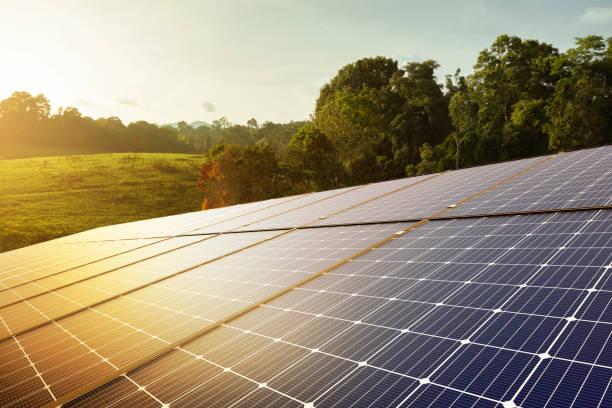
The United Arab Emirates has become a major center for modern construction, commercial development, and sustainable infrastructure. From high-rise buildings and industrial facilities to warehouses and residential communities, every successful project depends on reliable engineering and thoughtful design. As businesses seek better ways to manage energy costs and improve building performance, solar energy systems and steel construction are gaining greater attention.
Planning these systems requires a clear understanding of building requirements, environmental conditions, safety standards, and long-term operating needs. A well-designed solar installation can help reduce reliance on conventional electricity, while a properly engineered steel structure can provide the strength and flexibility needed for different construction projects. Integra Consulting Service helps clients explore engineering solutions that align with their project goals, technical requirements, and practical budgets.
Solar Panel Design UAE for Sustainable Development
The demand for renewable energy solutions continues to create opportunities for property owners and businesses across the Emirates. Solar power is especially relevant because the region receives substantial sunlight throughout the year. However, making the most of this resource requires careful system planning rather than simply installing panels on an available roof.
Professional solar panel design UAE services focus on developing systems that suit a property's electricity consumption, physical layout, and environmental conditions. Engineers assess the available installation area, possible shading, panel orientation, mounting arrangements, and electrical infrastructure before recommending a suitable configuration.
Temperature is another important factor in the UAE. Although strong sunlight supports solar energy generation, high operating temperatures can reduce the efficiency of photovoltaic modules. Dust accumulation can also affect energy output, making equipment selection, maintenance access, and cleaning arrangements important parts of the design process.
For commercial buildings, solar planning should begin early enough to coordinate the system with the architectural and structural design. This allows engineers to identify suitable locations for panels, inverters, electrical equipment, and cable routes. It also helps determine whether the roof can safely accommodate the proposed installation.
Integra Consulting Service understands the importance of combining technical planning with practical project requirements. A carefully evaluated solar design can help property owners compare available solutions, understand installation considerations, and make better decisions about renewable energy investments.
Benefits of Solar Energy for Commercial Properties
Commercial properties often consume electricity throughout the working day. Offices need cooling and lighting, retail spaces depend on customer facilities, and industrial buildings may operate machinery for extended periods. A suitably designed solar system can help offset part of this electricity demand.
One major advantage is the opportunity to manage long-term energy expenses. The actual savings depend on system size, installation costs, electricity tariffs, energy consumption patterns, and maintenance requirements. Therefore, a realistic assessment is essential before making financial decisions.
Solar installations may also support corporate sustainability goals. Businesses that want to improve their environmental performance can consider renewable energy alongside efficient cooling systems, energy-saving lighting, and improved building insulation.
Another benefit is the potential to use otherwise underutilized roof space. Large commercial and industrial buildings may have substantial roof areas suitable for solar installations, provided structural capacity, shading, access, and other technical factors are assessed.
By considering these opportunities during the design stage, Integra Consulting Service can help clients understand how renewable energy planning may fit into their wider construction and development strategies.
Important Elements of an Effective Solar System
Site Assessment and Energy Requirements
Every property has different energy needs. A small office, a residential villa, and a large industrial facility will not require the same system capacity. Engineers should review electricity consumption, available installation space, operating schedules, and future expansion plans to determine an appropriate design approach.
A detailed site assessment also identifies obstacles such as rooftop equipment, nearby buildings, parapet walls, and other structures that may create shadows. Understanding these conditions helps improve panel placement and supports more realistic energy production estimates.
Electrical Planning and Equipment Selection
Solar panels are only one part of a complete photovoltaic system. Inverters, cables, mounting equipment, protective devices, and electrical connections must be selected according to the system's requirements.
Equipment should be suitable for the environmental conditions in which it will operate. Correct installation details and appropriate protection can help reduce electrical risks and support dependable operation.
Safety and Regulatory Compliance
Solar installations must follow applicable technical requirements and local approval procedures. Engineers should consider electrical safety, roof access, maintenance clearances, and the structural effects of the installation.
For projects in the UAE, the relevant authority requirements depend on the emirate, project location, utility provider, and type of installation. Confirming these requirements early helps prevent unnecessary delays during project development.
Key Factors That Influence Steel Structural Design
Load Calculations and Structural Stability
Buildings must resist different types of loads throughout their service life. These include the weight of structural members, roofing, floors, equipment, stored materials, and occupants. Wind forces and other environmental actions must also be considered according to the applicable design standards.
In the UAE, wind conditions can significantly influence roof design, particularly for large-span industrial buildings and structures in exposed locations. Engineers must evaluate both the forces acting on the building and the way those forces transfer through the structural system to the foundations.
Accurate calculations help determine appropriate member sizes and support arrangements. They also help identify potential weaknesses before construction begins.
Material Quality and Corrosion Protection
The quality of steel and the suitability of its protective treatment influence the durability of a structure. The selection process should consider the building's environment, expected loads, fabrication requirements, and maintenance plans.
Some locations may expose steel components to humidity, airborne salts, or industrial pollutants. Suitable coatings and corrosion protection systems can help limit deterioration when selected and maintained appropriately.
Material specifications should also be communicated clearly to fabricators and contractors. Consistency between design documents and construction practices supports quality control and helps ensure that the completed structure meets its intended requirements.
Connections, Fabrication, and Installation
Connections are essential because they transfer forces between beams, columns, braces, and other structural components. Bolted and welded connections must be designed for their intended loads and installed according to the approved details.
Fabrication drawings should communicate dimensions, member specifications, connection details, and assembly requirements. Coordination between engineers, fabricators, and contractors can reduce errors and improve the construction process.
Proper installation is equally important. Even a carefully calculated design depends on accurate fabrication, appropriate lifting methods, suitable temporary supports, and compliance with the approved construction documents.
Why Steel Structures Are Suitable for Industrial Buildings
Industrial buildings often need to accommodate specialized equipment, changing production requirements, and large internal spaces. Steel construction can offer practical options for meeting these needs when the structural system is designed appropriately.
Warehouses may benefit from layouts that provide clear movement paths for forklifts and delivery vehicles. Manufacturing facilities may require reinforced areas for machinery, service platforms, or overhead lifting equipment. Workshops may need flexible arrangements that allow future operational changes.
Steel framing can also support prefabrication, in which selected components are manufactured before arriving at the construction site. When supported by accurate drawings, quality control, and coordinated logistics, this approach can improve construction organization and reduce certain on-site activities.
However, the best structural solution depends on the project's size, location, design requirements, fire safety provisions, and total lifecycle costs. Comparing alternatives during the early planning stage helps developers select a system that suits their needs rather than relying on a single material for every application.
Integrating Solar Panels with Steel Roof Structures
Modern industrial and commercial developments can benefit from considering solar energy and structural engineering together. Large steel-roofed buildings may provide useful space for photovoltaic installations, but their suitability must be established through engineering assessment.
The additional weight of solar panels and mounting equipment needs to be considered alongside wind uplift, connection forces, roof maintenance requirements, and the existing structural capacity. Engineers should also evaluate how the panel layout interacts with roof drainage, waterproofing, access routes, and other building systems.
For a new development, these requirements can be incorporated into the original structural design. This may make it easier to plan mounting locations, member spacing, equipment areas, and electrical routes before fabrication starts.
For an existing building, a structural assessment may be necessary to determine whether modifications or strengthening are required. The presence of steel framing alone does not guarantee that a roof can support a solar installation safely.
Integra Consulting Service encourages coordinated planning that considers renewable energy and structural performance as connected parts of the same project. This approach can help property owners identify design conflicts early and make more informed decisions about their buildings.
How Integra Consulting Service Supports Engineering Planning
Choosing an engineering service provider involves more than comparing costs. Clients need to understand the scope of the proposed work, the technical expertise required, the documentation that will be provided, and the approvals relevant to the project.
Integra Consulting Service focuses on helping clients explore practical design considerations and understand the importance of coordinated engineering. Clear communication at the beginning of a project helps establish expectations and identify important technical requirements.
For solar-related projects, this may involve reviewing installation conditions, energy requirements, equipment arrangements, and structural considerations. For steel construction, the process may involve evaluating building use, design loads, structural layouts, materials, and fabrication requirements.
Every project has unique needs, so engineering recommendations should be based on its actual conditions rather than a general solution. Clients should also confirm that the professionals responsible for regulated design, certification, and approvals hold the necessary qualifications and authorizations in the relevant UAE jurisdiction.
Design of Steel Structures for Modern Construction Projects
Steel is an important construction material for buildings that require strength, adaptable layouts, and efficient use of space. It is commonly considered for warehouses, factories, workshops, commercial facilities, industrial platforms, and other structures where the building's function influences its structural arrangement.
The design of steel structures involves calculating the forces acting on a building and determining how its structural components will safely resist them. This includes beams, columns, trusses, braces, connections, and foundations. Each component must work as part of a complete structural system.
A professional design begins with understanding the project's purpose. For example, a warehouse may require wide open spaces for storage and transportation, while a manufacturing facility may need to support heavy machinery. A commercial building may prioritize flexible interior arrangements and future modifications.
Integra Consulting Service recognizes that effective structural engineering requires a balance between safety, functionality, construction practicality, and cost. Properly prepared structural designs give project teams a clearer understanding of how the building should be fabricated and assembled.
Conclusion
Successful construction depends on combining thoughtful planning with reliable engineering principles. Solar energy systems can create opportunities for improved energy management, while steel structures can provide strong and adaptable solutions for commercial and industrial development.
Both require careful assessment of site conditions, equipment, materials, structural capacity, safety, and applicable regulations. When these elements are considered together, project owners can make better decisions and reduce the likelihood of avoidable design problems.
Integra Consulting Service supports clients who want to explore engineering and design solutions suited to their construction objectives. Whether planning a renewable energy installation or developing a steel-framed facility, a well-coordinated design process can help establish a practical foundation for safe, efficient, and sustainable development across the UAE.

 English
 Arabic
 French
 Spanish
 Portuguese
 Deutsch
 Turkish
 Dutch
 Italiano
 Russian
 Romaian
 Portuguese (Brazil)