


How to Plan an Effective Every Door Direct Mail Campaign
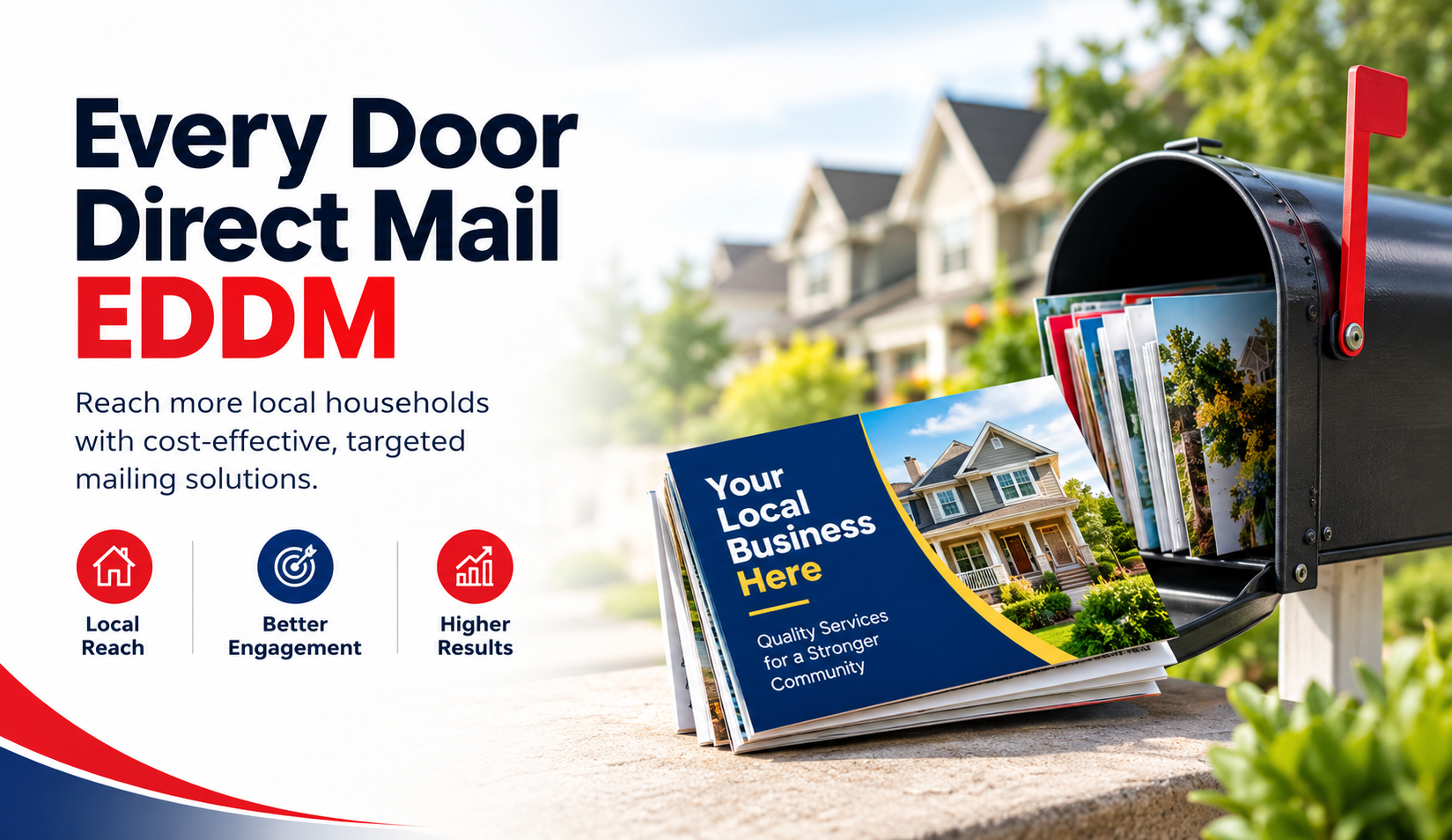
Local businesses often spend considerable time and money trying to reach nearby customers, yet their marketing messages don't always reach the right neighborhoods. Social media advertisements can disappear within seconds, while online competition makes it harder for smaller businesses to attract attention. We regularly see business owners face this challenge when planning local promotions with limited marketing budgets.
A well-planned EDDM campaign offers a practical way to reach households across selected postal routes without purchasing individual mailing lists. However, successful direct mail marketing requires more than printing attractive postcards and sending them to nearby homes. We need to understand the audience, choose suitable neighborhoods, prepare a clear message, and organize the mailing process carefully.
Through our experience with printing and direct mail campaigns, we've learned that small planning decisions often make a noticeable difference. The following guide explains how businesses can build a focused mailing strategy, avoid unnecessary expenses, and evaluate their campaign results.
Understanding Every Door Direct Mail Campaign Planning
Every Door Direct Mail allows businesses to distribute promotional materials across selected USPS carrier routes without addressing each piece to a specific household. Instead of collecting individual customer addresses, businesses choose geographic areas that match their service locations and marketing goals.
This approach works particularly well for restaurants, home service providers, fitness centers, retail stores, and other businesses that depend on nearby customers. However, reaching an entire neighborhood does not automatically mean every household needs the advertised product or service. Careful planning helps businesses select areas where their message has the best opportunity to connect with potential customers.
How EDDM Fits Into Local Marketing
We often recommend evaluating direct mail alongside existing digital marketing activities rather than treating the two channels as competitors. A local business might use search advertising to reach customers already looking for its services while distributing postcards to introduce its brand to nearby households.
For example, a landscaping company could mail seasonal maintenance offers to residential neighborhoods before spring. Meanwhile, its website and social media profiles could help interested homeowners review previous projects and request estimates. Each marketing channel serves a different purpose while supporting the same customer journey.
Setting Realistic Campaign Expectations
Not every recipient will respond immediately after receiving a postcard. Some households may keep the advertisement for future reference, while others might search for the business online before making contact. We encourage businesses to consider both immediate customer inquiries and longer-term local awareness when evaluating results.
A campaign becomes easier to manage when business owners establish clear expectations from the beginning. Whether the goal involves generating appointments, increasing store visits, or promoting a new location, the objective should guide every decision that follows.
Define Clear Goals Before Launching a Direct Mail Campaign
One common mistake in local advertising involves beginning the design process before deciding what the mailing should accomplish. Attractive graphics may capture attention, but they cannot compensate for an unclear message or an offer that fails to address customer needs.
We start campaign planning by identifying one primary objective. A restaurant might want to increase weekday lunch orders, while a roofing contractor may focus on generating inspection requests. These goals require different messages, geographic selections, and response-tracking methods.
Choose One Primary Marketing Objective
A focused campaign gives customers a clear reason to respond. When businesses include several unrelated services, multiple discounts, and competing calls to action, customers may struggle to understand the main purpose of the advertisement.
We usually encourage businesses to concentrate on the service or benefit most relevant to the mailing audience. A dental office, for instance, could promote new-patient appointments rather than attempting to explain every treatment on a single postcard.
Match the Campaign With Customer Needs
Timing and relevance matter just as much as the message itself. A home improvement company may find greater interest in exterior maintenance before seasonal weather changes, while a neighborhood restaurant might advertise family dining options during busy school periods.
Understanding these practical buying situations helps businesses create messages that feel useful rather than intrusive. We find that advertisements perform a clearer job when they connect a recognizable customer need with a straightforward solution.
Select the Right Neighborhoods and USPS Mailing Routes
Geographic targeting represents one of the most important decisions in an Every Door Direct Mail campaign. Businesses sometimes assume that mailing to the largest possible area will produce better results, but broad coverage can increase expenses without improving customer relevance.
We prefer to begin with neighborhoods that match the business's service capabilities and typical customer profile. A local cleaning company may want to reach nearby residential communities, while a restaurant might prioritize neighborhoods within a convenient driving distance.
Identify Your Ideal Customer Area
Before selecting postal routes, consider where current customers live and how far they normally travel for your services. Businesses with physical storefronts should also examine accessibility, nearby competitors, and residential concentration.
We often suggest reviewing recent customer inquiries to identify neighborhoods that already show interest. These observations provide a practical starting point, although they cannot guarantee that every household along a selected route will become a potential customer.
Use Postal Route Data Carefully
USPS route-selection tools allow businesses to review delivery counts and neighborhood-level demographic estimates, including household size, age, and income. These figures can support geographic planning, but they describe broader areas rather than the characteristics of individual residents.
Accurate route selection also requires current delivery information. We recommend reviewing EDDM route verification before finalizing printing quantities, especially when businesses repeat campaigns or reuse previous mailing selections.
Avoid Unnecessary Geographic Coverage
A business may operate near several residential communities, but not all of them offer equally practical marketing opportunities. Sending advertisements beyond a reasonable service area can attract inquiries that the company cannot serve efficiently.
We encourage businesses to compare route coverage with available staff, delivery distances, appointment capacity, and customer demand. A smaller, well-chosen mailing area often provides clearer campaign insights than an oversized mailing with no defined geographic priorities.
Build a Practical EDDM Campaign Budget
Direct mail budgeting involves more than calculating the price of postcards. Printing, postage, artwork preparation, mailing quantities, and processing requirements all contribute to the final campaign expense.
We frequently see business owners focus on the lowest printing quote without considering whether the selected quantity or mailing area makes sense for their objectives. A responsible budget balances affordability with appropriate geographic coverage and enough flexibility to address production needs.
Understand the Main Campaign Costs
Printing costs depend on several factors, including postcard dimensions, paper stock, finishing options, and total quantity. Postage adds another expense, while professional design or mailing preparation may require additional resources.
We recommend requesting a complete cost breakdown before approving production. Businesses should compare the total campaign expense rather than judging separate printing prices without considering the remaining mailing requirements.
Calculate Cost per Household
One useful budgeting method involves dividing the total campaign cost by the number of delivery addresses within selected routes. This calculation helps businesses compare geographic options and understand how much they spend to reach each household.
For example, a hypothetical $1,200 campaign reaching 4,000 addresses would have a distribution cost of $0.30 per address. This figure does not measure customer acquisition cost, but it provides a useful starting point for comparing campaign spending.
Account for Production and Mailing Requirements
USPS offers different Every Door Direct Mail mailing options, including EDDM Retail and EDDM BMEU. For EDDM Retail, USPS generally requires at least 200 mailpieces and allows up to 5,000 pieces per day per ZIP Code. Larger mailings may require a different entry process.
We recommend checking current USPS requirements, postage rates, qualifying mailpiece dimensions, and preparation instructions before approving artwork. These checks help businesses avoid preventable printing changes, quantity problems, and mailing delays.
Create an Effective EDDM Postcard Design
A postcard has limited space to communicate a message, so every design element needs a clear purpose. We often see advertisements that contain too many photographs, competing headlines, small text, and several unrelated promotional offers.
Good postcard design does not require complicated graphics. A recognizable headline, relevant image, readable details, and one clear next step can make the message easier to understand.
Write a Headline That Addresses Customer Needs
The headline should immediately communicate the main benefit or purpose of the promotion. Generic phrases such as "Best Services in Town" rarely explain why customers should pay attention.
We prefer direct language that reflects a recognizable situation. For example, a lawn care business might use "Get Your Lawn Ready for Spring," while a neighborhood restaurant could highlight a specific family dining offer.
Keep the Layout Clean and Readable
Strong visual hierarchy helps readers understand an advertisement without studying every detail. We generally organize postcard content around a headline, supporting image, short explanation, and clearly visible contact information.
Font size, spacing, and color contrast all affect readability. Businesses should also avoid placing important information too close to trimming areas or interfering with postal markings and required addressing space.
Use Relevant Images and Clear Offers
A professional photograph can help customers understand the advertised product or service. A home remodeling company might feature a completed kitchen project, while a bakery could highlight one of its popular products.
We recommend selecting images that accurately represent the business rather than relying on unrelated stock photography. When companies introduce promotional offers, they should explain the terms clearly and avoid conditions that customers might find confusing.
Include a Simple Call to Action
Every direct mail postcard should tell readers what to do next. Depending on the business, that action might involve scheduling an appointment, visiting a website, calling for an estimate, or bringing the postcard to a store.
We prefer one primary call to action rather than several equally prominent instructions. A straightforward message such as "Schedule Your Free Consultation" works best when the business genuinely offers that consultation without hidden conditions.
Plan the Best Timing and Mailing Schedule
Even a carefully designed advertisement can lose relevance if it reaches customers after the ideal purchasing period. Timing deserves attention early in the campaign rather than becoming a last-minute decision.
We encourage businesses to work backward from their intended promotional dates. Printing, artwork approval, mailing preparation, postal acceptance, and delivery all require consideration, especially when a campaign supports a seasonal offer or scheduled event.
Match Mailing Dates With Seasonal Demand
Different industries experience different patterns of customer interest. Air conditioning companies may promote maintenance before warmer weather, while retail stores might prepare holiday-related campaigns several weeks ahead of expected shopping activity.
We suggest using previous business activity to identify these patterns rather than assuming every industry follows the same calendar. Customer behavior, regional conditions, and service availability can all influence appropriate campaign timing.
Leave Room for Printing and Postal Processing
Production schedules can change when businesses request artwork revisions, adjust mailing quantities, or discover postal compliance issues. A campaign that depends on an exact delivery date becomes vulnerable when planning leaves no room for corrections.
We recommend approving artwork and route selections well before the intended mailing period. Businesses should also remember that postal delivery dates can vary, so time-sensitive promotions need reasonable flexibility.
Consider Multiple Mailing Campaigns
Some businesses rely on a single postcard distribution and expect immediate results. However, customers may need more than one encounter with a brand before they recognize its name or consider making a purchase.
We often recommend testing a manageable initial campaign before committing to repeated distributions. Businesses can then compare responses, refine their messages, and decide whether additional mailings justify the expense.
Combine Direct Mail With Digital Marketing
Printed advertising and online marketing can support each other when businesses maintain a consistent message. A postcard may introduce a service, while a website gives interested customers more information before they contact the company.
We frequently see customers use more than one channel during their buying process. Someone might notice a postcard in the afternoon, search for the company later, and submit an inquiry after reviewing its website or online reputation.
Connect Postcards With Relevant Website Pages
A postcard should direct customers toward information that supports its specific offer. Sending every visitor to a general homepage may create unnecessary steps when the advertisement promotes one service or location.
We suggest using a relevant landing page with clear service details, accurate contact information, and an easy inquiry process. Businesses should check that the page works comfortably on mobile devices before printing the website address or QR code.
Use QR Codes With a Clear Purpose
QR codes can connect physical advertisements with online appointment forms, menus, catalogs, or promotional pages. However, including a code without explaining its purpose may discourage customers from using it.
We recommend pairing QR codes with straightforward instructions such as "Scan to View Our Menu" or "Scan to Request an Estimate." The linked page should deliver exactly what the postcard promises.
Maintain Consistent Branding
Customers should recognize the same business whether they encounter its postcard, website, social media profile, or storefront. Consistent colors, business names, messaging, and contact information can help build familiarity.
We encourage businesses to review their digital presence before launching a mailing. Outdated opening hours, disconnected phone numbers, or conflicting promotional details can create frustration after the postcard successfully attracts attention.
Track EDDM Campaign Results and Improve Future Mailings
Without response tracking, businesses may struggle to determine whether their campaign generated meaningful customer interest. Printing and distribution tell us how many addresses a business reached, but they do not reveal how many customers responded.
We believe every campaign should include a simple measurement plan. Even modest tracking methods can help business owners understand which messages and neighborhoods deserve further attention.
Use Trackable Contact Methods
Unique promotional codes, dedicated landing pages, and campaign-specific phone numbers can help identify customer inquiries that originate from a mailing. Staff members can also ask new customers how they heard about the business.
We recommend choosing tracking methods that customers can use easily. Complicated redemption instructions may reduce participation and make the results harder to interpret.
Measure Responses Beyond Immediate Sales
An advertisement can generate useful interest even when customers do not purchase immediately. Appointment inquiries, estimate requests, website visits, and promotional redemptions may all provide relevant campaign information.
We encourage businesses to distinguish between inquiries, qualified leads, and completed sales. These outcomes carry different business values, and measuring them separately creates a more realistic picture of campaign performance.
Review the Cost of Acquiring Customers
After collecting results, businesses can compare their total campaign spending with the customers or qualified leads they acquired. This helps determine whether the campaign supports their pricing, profit margins, and long-term marketing goals.
For example, if a company spends $1,500 and acquires 15 new customers, its campaign acquisition cost equals $100 per customer. Whether that outcome makes financial sense depends on the revenue and profit each customer generates.
Common Every Door Direct Mail Mistakes to Avoid
Many campaign problems begin with small decisions that businesses overlook during preparation. From selecting unsuitable postal routes to creating overly complicated designs, these mistakes can increase costs and weaken the message.
We encourage business owners to review their campaigns from the customer's perspective before committing to a print run. A few practical checks can prevent unnecessary frustration and improve future decision-making.
Mailing Without a Defined Audience
Choosing neighborhoods simply because they appear close to the business can lead to inefficient spending. Geographic proximity matters, but businesses also need to consider whether residents are likely to need their products or services.
We recommend comparing selected routes against actual service areas, customer demand, and available resources. This helps businesses focus their spending on locations that make operational sense.
Adding Too Much Information
Business owners often want to include every service, discount, and contact option on one postcard. While this approach may seem informative, it can make the advertisement difficult to scan.
We prefer a clear primary message supported by a few relevant details. Interested customers can visit a website or contact the business for additional information.
Ignoring Postal Specifications
A visually attractive design does not automatically meet USPS mailing standards. Incorrect dimensions, unsuitable placement of postal information, or incomplete preparation can interrupt the mailing process.
We recommend checking approved mailpiece specifications before printing rather than making adjustments after production. Early verification protects both the budget and the campaign schedule.
Failing to Review Campaign Performance
Some businesses finish a mailing without recording the responses it produces. When they plan another campaign, they have little evidence to guide improvements.
We encourage keeping a simple record of mailing dates, routes, expenses, offers, inquiries, and resulting sales. Over time, this information helps businesses make more informed marketing decisions.
Frequently Asked Questions About Every Door Direct Mail
1. How Much Does an Every Door Direct Mail Campaign Cost?
The total cost depends on printing quantity, postcard size, paper selection, postage, design, and mailing preparation. We recommend calculating the complete campaign budget before choosing postal routes and confirming current postage prices directly with USPS.
2. Do Businesses Need a Mailing List for EDDM?
No. Every Door Direct Mail allows businesses to reach addresses across selected USPS carrier routes without purchasing individual household mailing lists. We still recommend reviewing route data carefully to select neighborhoods that align with business goals.
3. How Long Does an EDDM Campaign Take to Reach Customers?
Timing depends on design approval, printing schedules, preparation, postal acceptance, and delivery operations. We suggest allowing sufficient lead time before seasonal promotions or events rather than assuming every mailing will arrive on one specific date.
4. How Can Businesses Measure EDDM Campaign Success?
Businesses can track promotional codes, inquiries, website visits, phone calls, appointments, and completed sales. We recommend comparing these results with total campaign expenses and evaluating whether the responses support the original marketing objective.
Conclusion
An effective Every Door Direct Mail campaign begins with thoughtful planning rather than the size of the mailing. Businesses need a clear objective, appropriate postal routes, realistic budgets, relevant artwork, and a practical method for measuring customer response.
We have found that careful preparation helps businesses avoid common mailing problems while making their advertising decisions easier to evaluate. Selecting suitable neighborhoods, creating a focused postcard message, and coordinating printing with postal requirements all contribute to a more organized campaign.
At MailProsUSA, we understand the importance of connecting professional printing with practical direct mail planning. Businesses considering their next local advertising campaign can start by reviewing their audience, budget, and promotional goals, then seek experienced printing and mailing guidance to turn that plan into a well-prepared campaign.

 English
 Arabic
 French
 Spanish
 Portuguese
 Deutsch
 Turkish
 Italiano
 Russian
 Romaian
 Portuguese (Brazil)
 Greek