


Butyl Rubber Price Trend: Q1 2026 Market Overview and Industry Outlook
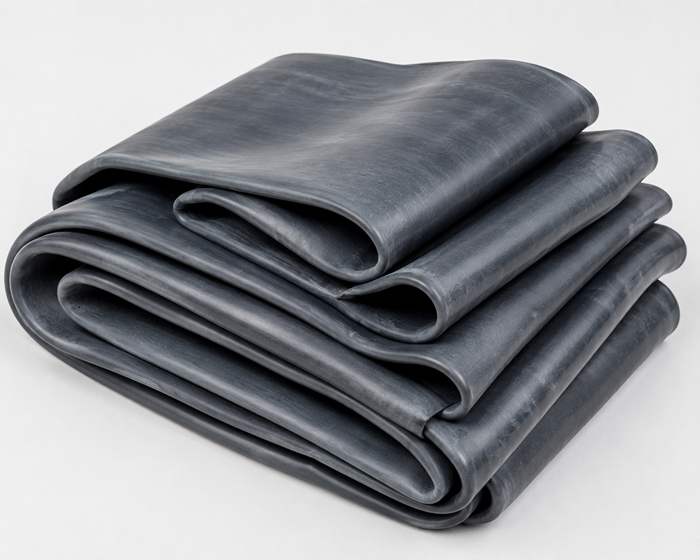
The global butyl rubber market started 2026 on a positive note as demand improved across several major industries. During the first quarter, manufacturers saw stronger buying activity from tire producers, automotive companies, and industrial rubber product manufacturers. After a cautious second half of 2025, many buyers returned to the market to rebuild their inventories, expecting prices to move higher in the coming months. This renewed purchasing activity created healthier trading conditions and supported market confidence.
At the same time, production costs remained firm because of stable to higher feedstock values, especially for isobutylene, which is one of the key raw materials used in butyl rubber manufacturing. Producers continued operating their plants at controlled production rates, carefully matching output with improving market demand. This balanced approach helped prevent oversupply while ensuring enough material was available to meet customer requirements.
Please Submit Your Query For Butyl Rubber Price Trend, Market Analysis and Forecast: https://www.price-watch.ai/book-a-demo/
Global supply conditions also remained supportive throughout the quarter. Manufacturers preferred maintaining disciplined production rather than increasing output aggressively. As buyers continued placing fresh orders and inventories gradually tightened, market sentiment improved further. These combined factors supported the overall Butyl Rubber price trend during the first quarter of 2026.
Another important factor behind the market improvement was the gradual recovery of the automotive industry. Higher vehicle production encouraged greater consumption of tires, seals, hoses, and other rubber components that rely on butyl rubber. Industrial manufacturing also showed better activity, creating additional demand across various application sectors. Overall, the market entered the year with stronger fundamentals than those seen in previous quarters.
Singapore remained one of the key export hubs for butyl rubber during Q1 2026. Export prices from Jurong increased by approximately 4.4% compared to the previous quarter. Healthy demand from tire manufacturers and industrial buyers across Asia supported market activity throughout the period. Buyers actively secured additional material to avoid possible future price increases, while producers maintained controlled operating rates to balance supply with improving consumption.
Raw material costs also remained supportive in Singapore, helping manufacturers maintain stable profit margins despite stronger market competition. Trading activity became more active as procurement improved across neighboring countries. By March 2026, the market experienced a particularly sharp monthly increase of nearly 19.8% compared to February. This rise reflected stronger purchasing interest, tighter regional availability, and growing confidence among buyers.
The United States also experienced a positive quarter as export prices from Houston increased by around 3.9% over Q4 2025. Domestic demand from tire production, automotive manufacturing, and industrial applications remained healthy, encouraging producers to maintain stable supply levels. Buyers gradually increased inventory levels as expectations for additional price increases strengthened purchasing decisions.
Feedstock costs remained relatively stable, giving producers consistent cost support throughout the quarter. Production rates stayed well managed, allowing suppliers to respond efficiently to stronger demand without creating excessive inventory. During March 2026, the U.S. market recorded a significant monthly increase of approximately 16.1%, mainly supported by active buying and limited supply availability both domestically and internationally.
Russia delivered one of the strongest quarterly performances among major exporting countries. Export prices from Novorossiysk increased by roughly 6.2% compared with the previous quarter. Strong overseas demand, particularly from tire manufacturing industries, encouraged suppliers to maintain disciplined production while responding to increasing export inquiries.
International buyers continued building inventories as expectations of further price increases encouraged early procurement decisions. Stable feedstock values provided additional support for production costs, while controlled operating rates helped maintain balanced market conditions. By March 2026, Russian export prices had surged by nearly 22.8% from February, reflecting aggressive buying activity and tighter supply in global export markets.
India also experienced a healthy quarter with domestic prices from Jamnagar increasing by around 5.2% compared with Q4 2025. Improving demand from automotive manufacturers, tire producers, and industrial rubber processors supported consistent procurement throughout the quarter. Many companies preferred purchasing material earlier to secure supply before further market increases occurred.
Domestic supply remained relatively balanced as manufacturers carefully aligned production with consumption. Stable feedstock costs continued providing moderate support for production expenses, while stronger industrial activity further improved market confidence. During March 2026, the Indian market registered an impressive monthly increase of around 11.2%, driven by improved buying interest and tighter regional availability.
Thailand followed a similar market pattern during the first quarter. Import prices from Singapore increased by approximately 4.3% compared with the previous quarter. Rising demand from automotive manufacturing, tire production, and industrial applications supported stronger imports throughout the country.
Many buyers actively rebuilt inventories to prepare for future production requirements. Controlled production at Singaporean manufacturing facilities limited supply growth while maintaining market balance. Stable isobutylene costs also supported overall pricing conditions. In March 2026, Thailand recorded a monthly increase of nearly 19.7%, reflecting stronger purchasing activity and reduced regional supply availability.
Vietnam also reported positive market conditions during Q1 2026. Import prices from Singapore increased by around 4.4% as demand from tire manufacturers and industrial users steadily improved. Companies increased procurement to secure material before additional price movements could occur, while suppliers maintained disciplined operating rates that prevented excessive inventory buildup.
Stable feedstock values continued supporting production economics, while improving regional demand strengthened overall market confidence. Similar to Thailand, Vietnam recorded a monthly increase of approximately 19.7% during March, highlighting the stronger buying activity that developed toward the end of the quarter.
Mexico also experienced gradual improvement throughout the quarter. Import prices from the United States increased by approximately 3.8% compared with Q4 2025. Automotive manufacturing and industrial rubber production supported healthy purchasing activity across the domestic market. Buyers increased inventory levels to secure material ahead of expected market increases, while U.S. suppliers maintained balanced production schedules.
Stable raw material costs continued supporting manufacturers throughout the supply chain. Improved regional demand combined with controlled production helped strengthen pricing conditions. By March 2026, Mexico recorded a monthly increase of around 15.6%, supported by stronger procurement activity and tighter supply availability.
Overall, the global market performed well during the first quarter of 2026 as improving industrial demand, disciplined production, and stable raw material costs created favorable market conditions. Stronger procurement from automotive and tire manufacturers helped improve confidence across both domestic and export markets. Regional suppliers maintained balanced production while buyers actively rebuilt inventories after several cautious months.
Looking ahead, market participants remain optimistic about the coming months. Continued industrial growth, stable production planning, and healthy downstream demand are expected to support Butyl Rubber prices if supply conditions remain balanced and feedstock costs stay firm. The market enters the next quarter with stronger momentum and improved confidence across major global trading regions.
Please Submit Your Query For Butyl Rubber Price Trend, Market Analysis and Forecast: https://www.price-watch.ai/book-a-demo/
About Price Watch™ AI
Price-Watch AI is an India-based, independent raw material price reporting agency that provides real-time price forecasts and data-driven insights into global raw material markets. Price-Watch AI specializes in tracking raw material prices, analyzing market trends, and delivering timely updates on plant shutdowns, supply disruptions, capacity expansions, and demand-supply dynamics. The Price-Watch AI platform empowers manufacturers, traders, and procurement professionals to make faster, smarter decisions. Leveraging AI-powered forecasting and over a decade of historical data, Price-Watch AI transforms market volatility into actionable opportunity.
Futura Tech Park,
C Block, 8th floor 334,
Old Mahabalipuram Road,
Sholinganallur, Chennai, Tamil Nadu, Pincode - 600119.
𝐋𝐢𝐧𝐤𝐞𝐝𝐈𝐧: https://www.linkedin.com/company/price-watch-ai/
𝐅𝐚𝐜𝐞𝐛𝐨𝐨𝐤: https://www.facebook.com/people//61568490385598/
𝐓𝐰𝐢𝐭𝐭𝐞𝐫: https://x.com/pricewatchai
𝐖𝐞𝐛𝐬𝐢𝐭𝐞: https://www.price-watch.ai/

 English
 Arabic
 French
 Spanish
 Portuguese
 Turkish
 Dutch
Dutch
 Italiano
 Russian
 Romaian
 Portuguese (Brazil)
 Greek
Greek