


Female Model Career Opportunities in Fashion and Beyond
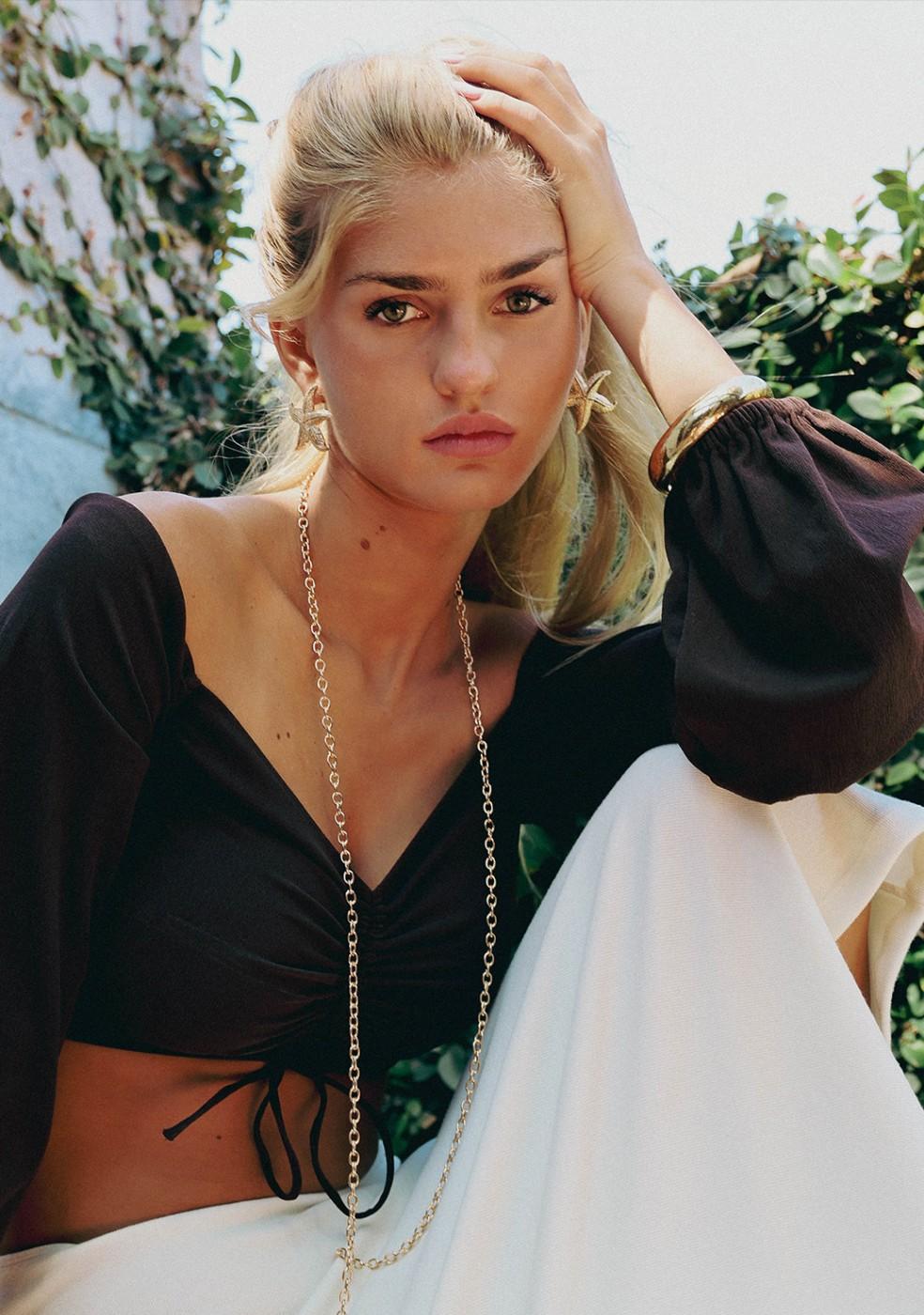
The modeling industry continues to evolve, creating opportunities for talent across fashion, beauty, advertising, entertainment, and digital media. A successful female model today brings more than an appealing look to a campaign. She combines confidence, adaptability, professionalism, and the ability to communicate a brand's message through images and movement. From runway shows to editorial photography and commercial advertisements, female models help shape how audiences experience fashion and culture.
For aspiring talent, entering the industry begins with understanding its different career paths, developing a strong portfolio, and finding professional representation. Established models can also benefit from exploring new creative opportunities and expanding their work across different platforms. With the right preparation and guidance, modeling can become a rewarding career built around individual expression, collaboration, and continuous growth.
Understanding the Role of a Female Model in Modern Fashion
A female model works with designers, photographers, stylists, creative directors, and brands to present clothing, accessories, beauty products, and lifestyle concepts. The work can involve studio photography, runway presentations, magazine editorials, e-commerce shoots, commercial campaigns, and digital content.
Although physical presentation remains relevant to certain assignments, modeling is not limited to one appearance or personality. Different projects require different qualities. A luxury fashion campaign might call for expressive poses and an editorial presence, while a lifestyle advertisement may require warmth, relatability, and natural interaction.
Professional female models learn how to interpret creative direction, understand lighting, work comfortably in front of a camera, and adjust their expressions to suit a project's goals. These skills help transform a basic photograph into a compelling visual story.
The modern industry also recognizes individuality as an important creative asset. Distinctive features, personal style, cultural perspectives, and unique expressions can all contribute to a model's professional identity. Rather than trying to imitate everyone else, aspiring talent can focus on understanding their strengths and developing a recognizable presence.
Different Types of Female Model Careers
Modeling offers several career paths, each with its own working environment, expectations, and creative opportunities. Understanding these categories can help aspiring talent identify where their interests and abilities may fit.
Runway Modeling
Runway models present designers' collections during fashion shows, industry events, and seasonal presentations. Their work requires confident movement, posture, timing, and the ability to showcase garments while walking under changing stage conditions.
Runway modeling can involve intensive preparation, including fittings, rehearsals, and coordination with designers and production teams. Models must also adapt quickly to different clothing styles and presentation requirements.
Editorial and High-Fashion Modeling
Editorial modeling focuses on storytelling through photography. These projects may appear in fashion magazines, creative publications, and visual campaigns developed around a particular concept.
An editorial female model may be asked to communicate different moods through posture, facial expression, movement, and styling. Some assignments emphasize dramatic imagery, while others focus on understated elegance or experimental fashion.
This career path is particularly suited to talent interested in artistic collaboration and visually distinctive projects.
Commercial Modeling
Commercial modeling supports brands that want to communicate with specific audiences. Assignments may feature clothing, skincare, beauty products, wellness services, travel, technology, or everyday consumer experiences.
A commercial female model often needs to appear approachable and adaptable. Depending on the campaign, she may portray a professional, a traveler, an athlete, or someone enjoying an ordinary moment.
The ability to convey a clear emotion or believable situation is essential because commercial images are designed to connect with viewers.
Beauty and Lifestyle Modeling
Beauty modeling often emphasizes facial features, skin presentation, makeup, hair, and close-up photography. Models may work with cosmetics companies, haircare brands, skincare campaigns, and beauty publications.
Lifestyle modeling, meanwhile, focuses on relatable experiences and aspirational everyday scenes. It may involve outdoor activities, fitness, home settings, travel, or social occasions.
Both categories reward versatility, attention to detail, and an understanding of how subtle expressions influence the final image.
Digital and Social Media Modeling
Digital platforms have created additional opportunities for models to participate in online campaigns, branded content, and creative collaborations. Some projects combine traditional modeling with short-form video, social storytelling, and other digital formats.
A female model working in this space may need to feel comfortable with both still photography and moving images. Understanding audience expectations, maintaining a professional online presence, and collaborating effectively with content teams can help support career development.
How to Build a Strong Female Model Portfolio
A portfolio introduces a model to agencies, casting professionals, photographers, and potential clients. It should communicate versatility, presence, and suitability for the types of assignments the model wants to pursue.
A polished portfolio does not necessarily require dozens of expensive photographs. A small collection of clear, well-chosen images can provide a useful starting point.
Include Clear, Natural Photographs
Recent digitals, sometimes called polaroids, help agencies understand a model's current appearance without heavy retouching or elaborate styling. These photographs commonly include a headshot, a three-quarter view, and a full-length image.
Use simple clothing, natural lighting where possible, and a clean background. Avoid filters or editing that substantially changes facial features or body proportions.
Follow each agency's specific submission requirements because preferred image formats and additional details can vary.
Demonstrate Range and Expression
As a portfolio develops, different images can demonstrate how a model responds to lighting, styling, poses, and creative direction. A beauty image, a fashion editorial, and a natural commercial photograph may each reveal different strengths.
The objective is not to show every possible look. It is to present a cohesive selection that helps casting teams understand the model's potential.
Keep Information Current
Accurate contact details, location, measurements where requested, and relevant experience make it easier for agencies to evaluate submissions. Models should update their materials when their appearance or professional circumstances change.
For emerging talent, honesty and clarity are more valuable than an exaggerated résumé. A professional portfolio should reflect the model's actual experience and current presentation.
Essential Skills Every Female Model Should Develop
Natural camera presence can be an advantage, but modeling also involves practical skills that improve with experience.
Confidence and body awareness: Models learn how posture, movement, and facial expressions affect photographs. Practicing different poses can help them become more comfortable without making their movements look forced.
Adaptability: Creative briefs vary considerably. A model may need to move between contrasting outfits, moods, lighting conditions, or locations during a single assignment.
Communication: Listening carefully to photographers, stylists, casting directors, and clients helps maintain an efficient and collaborative working environment.
Professionalism: Arriving on time, preparing for assignments, respecting the team, and communicating schedule changes promptly all contribute to a positive reputation.
Business awareness: Models should understand booking terms, usage rights, compensation, expenses, and the basic expectations associated with professional representation. Reviewing agreements carefully and seeking qualified advice when necessary can help protect their interests.
These skills are useful across nearly every modeling category. They also help talent establish working relationships that can lead to repeat assignments and long-term professional growth.
Finding the Right Female Model Agency
Choosing an agency is an important decision for aspiring and established models. A reputable agency can help connect talent with appropriate opportunities, communicate with clients, coordinate bookings, and provide guidance as a career develops.
However, representation is not a guarantee of work. Agencies assess submissions according to their roster needs, client requirements, and creative direction. Models should approach the process with realistic expectations and a willingness to continue developing their skills.
Research the Agency's Work
Before submitting a portfolio, explore the agency's website, represented talent, creative projects, and professional background. Look for evidence that its areas of representation align with your goals.
Some agencies emphasize runway and editorial work, while others focus on commercial campaigns, digital creators, or a broader range of creative services. Understanding these distinctions helps you submit to agencies that suit your interests.
Follow Official Submission Instructions
Agencies may request recent digitals, personal details, location, measurements, and social media links. Provide only the information requested through the agency's verified channels.
Be cautious of unsolicited messages promising guaranteed bookings, demanding suspicious upfront payments, or claiming that expensive services are compulsory for representation. Verify the identity of anyone claiming to be an agent or scout before sharing personal information.
Look for Long-Term Professional Alignment
A productive agency relationship involves clear communication, appropriate opportunities, and an understanding of career objectives. Models should feel comfortable asking reasonable questions about representation agreements, commissions, booking processes, and professional expectations.
The best fit depends on individual goals, not simply the size of an agency's roster or the visibility of its social media accounts.
How Photogenics Media Supports Female Model Talent
Photogenics Media connects fashion, art, entertainment, and culture through talent representation and creative work. Its women models division features talent for projects across editorial, runway, and commercial settings.
The agency's broader approach brings together different forms of creative expression, giving brands and production teams opportunities to explore talent suited to their visual concepts. Its presence across Los Angeles, New York, and Europe also connects its work with several influential fashion and creative markets.
For brands, finding the right female model involves more than matching a photograph to a brief. The model must suit the campaign's tone, intended audience, styling, and overall message. Professional representation can help bring these elements together and support communication between talent and creative teams.
For aspiring models, researching an agency's roster and submission process is a practical first step. Photogenics Media provides an official submissions page where interested talent can review the requirements and share materials for consideration.
Those exploring representation should visit the Photogenics Media women models page to learn more about its women's division and the official submission page for application information.
Preparing for a Female Model Casting or Audition
A casting gives clients and creative teams an opportunity to assess whether a model suits a particular project. Preparation can make the experience more comfortable and help talent present themselves professionally.
Start by reviewing the brief and following any instructions about clothing, photographs, arrival time, or self-tape submissions. If the casting requests simple clothing and natural makeup, avoid complicated styling that distracts from the requested presentation.
Practice introducing yourself clearly and following straightforward directions. For an in-person casting, arrive with enough time to check in and organize your materials. For a virtual casting, test your camera, lighting, audio, and internet connection beforehand.
It is also important to understand the professional boundaries of the process. Ask for clarification if a request seems inconsistent with the brief, and verify the legitimacy of unfamiliar casting contacts. Models who are minors should involve a parent or legal guardian in professional communications and arrangements.
Rejection is a normal part of the industry. A casting decision may reflect a specific size requirement, creative direction, schedule, or client preference rather than a judgment about a model's overall potential. Treating each experience as an opportunity to learn can make the process more manageable.
Trends Shaping the Future of Female Model Careers
The modeling industry continues to respond to changes in fashion, technology, media consumption, and audience expectations.
One important development is the growing interest in distinctive identities and varied forms of representation. Brands frequently seek talent who can express different perspectives and connect with audiences through authentic visual storytelling.
Another development is the blending of traditional modeling with digital content. Campaigns may combine still images, short videos, behind-the-scenes material, and social media assets. Models who understand how to work across these formats may be well positioned to explore a wider range of assignments.
Technology is also influencing how creative projects are developed and presented. Virtual environments and digital avatars are opening additional possibilities for fashion imagery and brand experiences. These developments create new creative questions around identity, ownership, and representation.
Despite these changes, core professional qualities remain important. Reliability, adaptability, communication, and a clear understanding of a project's objectives continue to help models contribute effectively to creative work.
Rather than trying to follow every trend, a female model can build a stronger career by identifying the opportunities that match her abilities and interests while remaining open to learning.
Building a Sustainable Career as a Female Model
A modeling career often develops through a combination of preparation, professional relationships, persistence, and informed decisions. Progress may happen quickly for some talent and more gradually for others, depending on market demand and individual circumstances.
Maintaining current photographs, practicing posing, researching agencies, and learning about the business side of modeling can help talent remain prepared for opportunities. Networking respectfully with industry professionals and treating collaborators well can also support long-term relationships.
Models should pay attention to their physical and emotional well-being. Healthy routines, realistic expectations, appropriate working conditions, and professional boundaries are essential in an industry that can involve demanding schedules and frequent evaluation.
It is equally important to define success personally. Some models may prioritize runway and editorial assignments, while others may prefer commercial campaigns, beauty work, or digital projects. A career does not need to follow one fixed path to be meaningful or professionally rewarding.
Conclusion
Becoming a successful female model involves more than standing in front of a camera. It requires preparation, self-awareness, adaptability, professional conduct, and a willingness to explore different creative opportunities. A strong portfolio, thoughtful agency research, and a clear understanding of industry expectations can help aspiring talent take practical steps toward their goals.
For established models, continued learning and openness to new formats can create opportunities across fashion, commercial advertising, beauty, and digital media. Finding representation that aligns with individual ambitions is another important part of building a sustainable career.
Photogenics Media brings together talent, fashion, art, and creative production through its work across multiple markets and modeling divisions. Models interested in exploring potential representation can review the women's roster and follow the agency's official submission process to learn more about opportunities for consideration.

 English
 Arabic
 French
 Spanish
 Portuguese
 Deutsch
 Turkish
 Italiano
 Russian
 Romaian
 Portuguese (Brazil)
 Greek