


EPDM Rubber Price Trend: Q2 2026 Market Strengthened by Feedstock Costs and Supply Chain Challenges
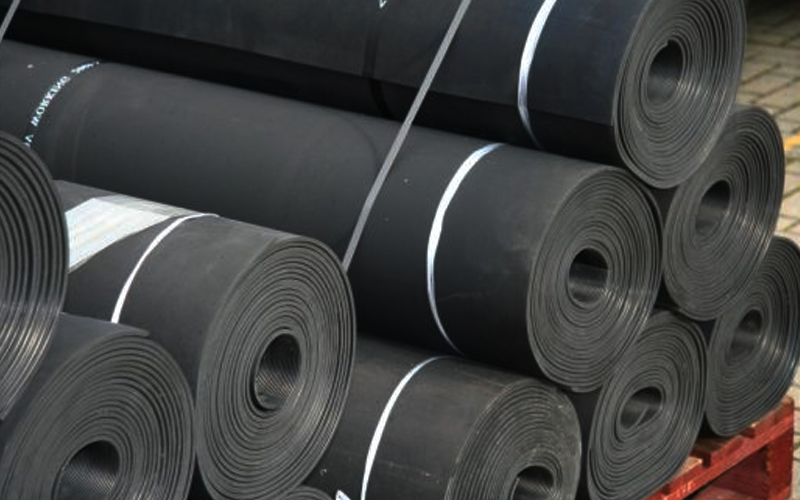
The global EPDM rubber market experienced a strong upward movement during the second quarter of 2026 as higher feedstock costs, geopolitical tensions, and supply chain disruptions influenced pricing across major producing and consuming regions. Rising crude oil values, tighter availability of key raw materials, and increasing logistics expenses supported stronger market conditions during most of the quarter. Although the market began showing signs of stabilization toward the end of June, the EPDM price trend remained positive overall as manufacturers continued dealing with elevated production costs and steady industrial demand.
EPDM rubber is one of the most widely used synthetic rubbers because of its excellent resistance to heat, weather, ozone, and chemicals. It is commonly used in automotive seals, roofing membranes, construction materials, electrical insulation, industrial hoses, and many outdoor applications where long-lasting performance is required. Since the production of EPDM depends mainly on petrochemical feedstocks such as ethylene and propylene, changes in crude oil markets and feedstock availability have a direct influence on manufacturing costs.
Please Submit Your Query For EPDM Rubber Price Trend, Market Analysis and Forecast: https://www.price-watch.ai/book-a-demo/
During the early months of Q2 2026, the global market faced significant uncertainty due to geopolitical developments in the Middle East. The ongoing regional conflict created disruptions around the Strait of Hormuz, one of the world's most important shipping routes for crude oil and petrochemical products. As transportation through the region became more difficult, concerns quickly spread across global chemical supply chains.
One of the biggest challenges during the quarter was the tightening availability of naphtha, which serves as an important raw material for producing ethylene and propylene. Since these two feedstocks are essential for manufacturing EPDM rubber, any disruption in their supply quickly affected production costs worldwide.
Crude oil prices also increased sharply during the first part of the quarter. Higher oil values pushed up the cost of producing petrochemical feedstocks, creating additional financial pressure for EPDM manufacturers. Along with expensive raw materials, producers also faced rising energy costs, transportation expenses, and higher logistics charges, all of which contributed to increasing production costs.
Manufacturers gradually passed these higher expenses through the supply chain, resulting in firmer market prices across many regions. Buyers recognized the possibility of further supply disruptions and maintained regular purchasing activity to secure sufficient inventories. This combination of higher production costs and steady procurement supported strong market momentum throughout April and May.
The automotive industry remained one of the largest consumers of EPDM rubber during the quarter. Vehicle manufacturers continued using the material extensively in weather seals, door gaskets, cooling system components, and under-the-hood applications because of its excellent durability and resistance to heat. Stable vehicle production helped maintain healthy demand despite higher material costs.
Construction activity also continued supporting the market. EPDM roofing systems, waterproofing membranes, expansion joints, and insulation products remained in steady demand across commercial and residential projects. Infrastructure development in several countries further contributed to consistent consumption during the quarter.
Industrial manufacturers also maintained regular procurement for hoses, sealing systems, cable insulation, and mechanical components. Many buyers preferred securing material early rather than delaying purchases while supply chain uncertainty remained high. This cautious buying behavior helped prevent any significant slowdown in market activity despite rising prices.
Higher freight rates became another important factor influencing the market. Shipping costs increased as global logistics companies adjusted to changing transportation routes and higher fuel prices. Insurance expenses for international cargo also rose, adding further pressure to overall supply chain costs. These additional expenses contributed to higher landed costs for imported raw materials and finished products.
Although market conditions remained firm during most of the quarter, supply gradually began improving toward the end of June. Geopolitical concerns started easing, allowing international trade routes to operate more smoothly. As transportation conditions improved, feedstock flows became more stable, helping manufacturers secure ethylene and propylene with fewer disruptions.
Improved availability of raw materials reduced some of the cost pressure that producers had experienced earlier in the quarter. While production costs remained relatively high compared with previous periods, the rapid increases seen during April and May slowed noticeably during June.
This gradual improvement helped stabilize the market. Buyers who had already increased inventories earlier in the quarter shifted back toward more balanced purchasing patterns. With supply conditions improving, procurement became more predictable and market sentiment turned more stable.
The quarterly performance also reflected regional differences that had developed during previous months. During Q1 2026, most Asian markets, including South Korea and Indonesia, had experienced relatively stable pricing despite supply challenges because steady demand from automotive and construction industries helped balance market conditions.
Japan, however, recorded modest price increases during Q1 as tighter domestic supplies reduced product availability. Limited supply supported higher prices even though overall demand remained relatively stable.
The United States and Europe experienced stronger upward movements during Q1, with market values increasing by around 8% to 9%. Tight ethylene supply, higher raw material costs, and increasing logistics expenses were the primary reasons behind these regional price gains. The geopolitical situation in the Middle East further increased transportation costs, reinforcing upward market pressure across both regions.
These earlier developments provided the foundation for the stronger increases seen during Q2 2026. As feedstock availability tightened further and crude oil prices climbed, producers across many countries continued facing elevated manufacturing costs. The result was a global market that remained supported by supply-side challenges rather than exceptionally strong demand growth.
Throughout the quarter, manufacturers continued closely monitoring energy markets and feedstock availability because both remained key factors influencing production costs. Buyers also remained cautious, maintaining sufficient inventories to reduce the risk of future supply interruptions.
Looking ahead, market participants are expected to continue watching global crude oil prices, geopolitical developments, and petrochemical supply conditions. The availability of ethylene and propylene will remain one of the most important factors affecting future market direction, while improvements in logistics could provide additional stability.
Overall, the second quarter of 2026 reflected a market driven primarily by higher feedstock costs, supply chain disruptions, and geopolitical uncertainty. Rising crude oil prices, tighter availability of essential raw materials, and increased transportation expenses supported firm pricing across global markets during most of the quarter. Although improving feedstock flows and easing geopolitical concerns helped stabilize conditions toward the end of June, the market remained well supported. Under these circumstances, EPDM prices continued to reflect elevated production costs while showing early signs of stabilization as supply conditions gradually improved.
Please Submit Your Query For EPDM Rubber Price Trend, Market Analysis and Forecast: https://www.price-watch.ai/book-a-demo/
About Price Watch™ AI
Price-Watch AI is an India-based, independent raw material price reporting agency that provides real-time price forecasts and data-driven insights into global raw material markets. Price-Watch AI specializes in tracking raw material prices, analyzing market trends, and delivering timely updates on plant shutdowns, supply disruptions, capacity expansions, and demand-supply dynamics. The Price-Watch AI platform empowers manufacturers, traders, and procurement professionals to make faster, smarter decisions. Leveraging AI-powered forecasting and over a decade of historical data, Price-Watch AI transforms market volatility into actionable opportunity.
Futura Tech Park,
C Block, 8th floor 334,
Old Mahabalipuram Road,
Sholinganallur, Chennai, Tamil Nadu, Pincode - 600119.
𝐋𝐢𝐧𝐤𝐞𝐝𝐈𝐧: https://www.linkedin.com/company/price-watch-ai/
𝐅𝐚𝐜𝐞𝐛𝐨𝐨𝐤: https://www.facebook.com/people//61568490385598/
𝐓𝐰𝐢𝐭𝐭𝐞𝐫: https://x.com/pricewatchai
𝐖𝐞𝐛𝐬𝐢𝐭𝐞: https://www.price-watch.ai/

 English
 Arabic
 French
 Spanish
 Portuguese
 Deutsch
 Turkish
 Italiano
 Russian
 Romaian
 Portuguese (Brazil)
 Greek
Greek