


What Basement Remodeling Problems Should Homeowners Address First in Martinsburg, WV?
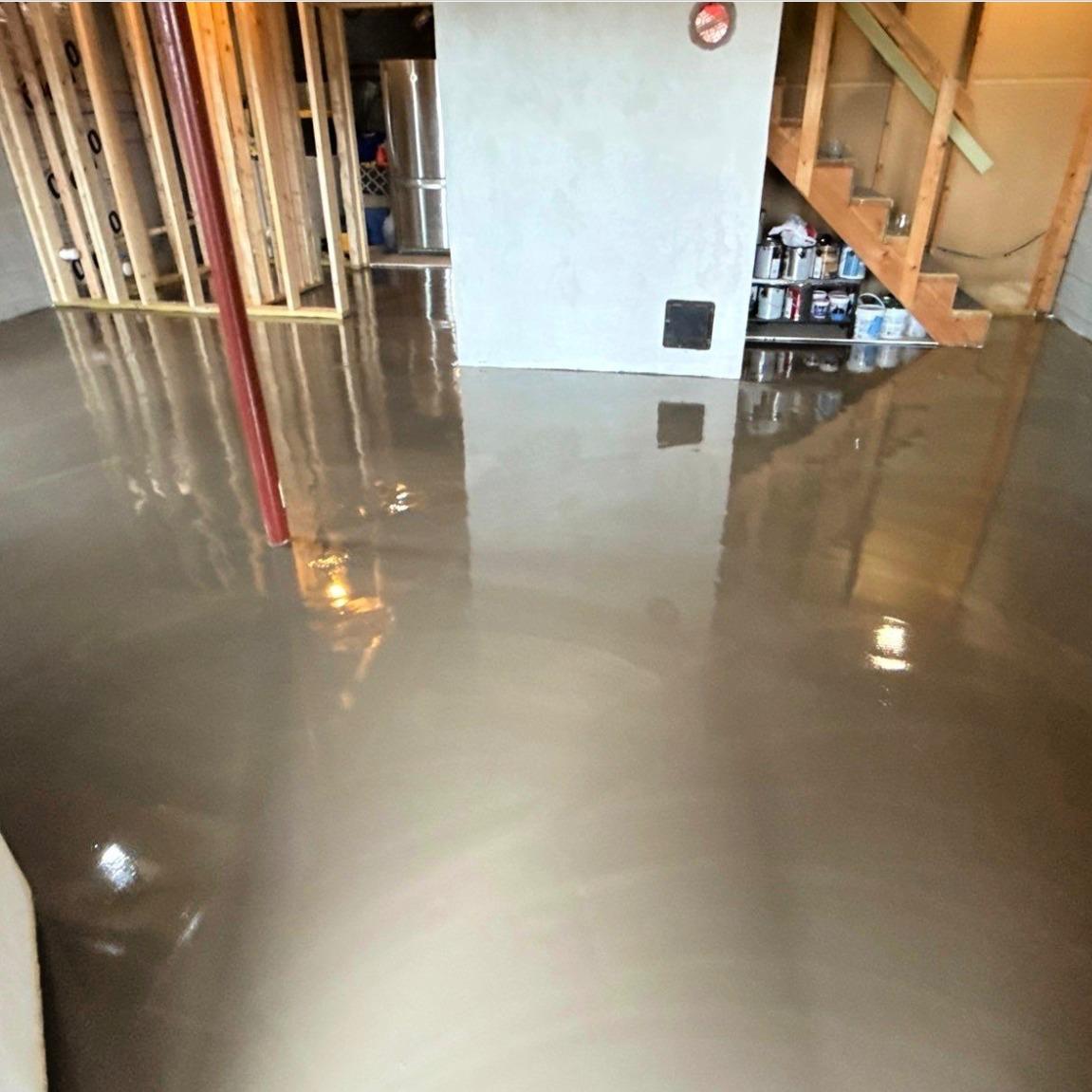
Most people picture a basement remodel as the fun part. Pool table, movie corner, a guest room for when the in-laws show up. And yeah, that’s the end goal. But nobody dreams about the stuff you have to fix before any of that happens, and that’s exactly where projects go sideways.
I’ve seen it more than once. Somebody puts down flooring, builds walls, hangs drywall, and six months later there’s a musty smell and a wet corner. Then it all comes back out. So if you’re planning basement remodeling Martinsburg WV style, meaning an actual finished space and not just a coat of paint over the problems, you’ve got to deal with the ugly stuff first. Here’s what to tackle, roughly in order.
What Is the First Problem to Fix Before Remodeling a Basement?
Moisture comes first. Always. Before framing, flooring, or anything pretty, you need to find where water gets in and stop it. Finished walls over a damp basement mean mold, warped materials, and money wasted. Fix the source, then build on top of it.
Look for the obvious signs. White chalky stuff on the concrete, dark stains near the floor, that damp-basement smell, water marks after a hard rain. Martinsburg gets its share of wet weather, and a lot of homes around here have older foundations that let moisture through in spots. Grading outside, gutters dumping too close to the house, a cracked wall. Sometimes the fix is cheap. Sometimes it’s not, and you’d rather know that now than after drywall.
How Much Do Basement Remodeling Fixes Usually Cost?
Costs vary a ton depending on the house, so take this as a rough ladder, cheapest to priciest. Get on-site quotes before trusting any number you read online.
- Gutter and downspout fixes, grading, and sealing small cracks, usually the lowest cost
- Dehumidification and basic moisture control, a modest step up
- Interior drainage or a sump pump system, mid-range and very common
- Foundation crack repair or structural work, the high end and the one you really don’t want to skip
Most homeowners in the $10K to $60K+ project range spend a chunk of that on this unglamorous prep. It’s not wasted. It’s what makes the rest last.
Should You Check for Cracks and Foundation Issues Next?
Yes. Small hairline cracks are common and usually cosmetic, but horizontal cracks, widening gaps, or walls bowing inward need a professional look before you finish anything. Covering structural problems with drywall hides them, it doesn’t fix them, and it makes future repairs way harder.
Take a flashlight and actually look. Walk the whole perimeter. Mark cracks with a pencil and a date, then check again in a few weeks. If one’s growing, call somebody. Don’t wait on that one.
Why Does the Basement Floor Matter So Much?
Concrete floors hold moisture and stay cold, so flooring choice is a big deal. Moisture-resistant options like tile or luxury vinyl plank hold up far better than carpet or solid hardwood. A properly prepped, level, sealed slab is what lets any flooring last.
This is where tile people earn their keep, honestly. Basement floors are rarely perfectly flat, and tile over an uneven slab cracks. Good installers level it first, use the right underlayment, and think about moisture before picking material. Integrity Tile and Home handles flooring and tile work like this, and it’s the kind of detail that separates a floor that lasts from one you’re pulling up in three years.
What About Insulation, Ventilation, and Egress?
Insulation and airflow keep a basement comfortable and dry once it’s finished. Proper insulation stops condensation on cold walls, and ventilation keeps air from going stale. If you plan a bedroom down there, local building codes usually require a proper egress window for safety.
Don’t skip this because it’s boring. A finished basement that feels clammy or stuffy won’t get used, and then what was the point. Heating and cooling matter too. Basements are often the last room to get any thought and the first to feel off.
How Do You Plan the Layout and Get the Right Help?
Think about how you’ll really use the space before you build. Plumbing for a bathroom, wiring for a media area, lighting, storage. Changing these after walls go up costs a lot more. Work with a contractor who walks through these decisions early instead of just quoting finishes.
This is where good home renovation services Martinsburg WV homeowners can lean on really matter, because a basement touches everything at once. Plumbing, electrical, flooring, tile if there’s a bathroom, drywall. Juggling five different crews is a nightmare, so one team that coordinates it all, like Integrity Tile and Home, saves real time and a lot of back-and-forth. Ask for recent local basement projects, and ask how they handle surprises, because basements always have a few.
Wrapping It Up
Basement remodeling goes best when you deal with the boring stuff before the fun stuff. Stop the water. Check the foundation. Prep the floor properly. Plan insulation and airflow. Then think about layout and finishes. Skip the early steps and you’re paying twice.
If you’re thinking about basement remodeling Martinsburg WV homeowners can actually enjoy for years, start with an honest look at what’s going on behind those walls, and get a few detailed quotes before you commit. Take your time, ask real questions, and build on a solid base. The movie corner and guest room will still be there, and they’ll look a lot better sitting on a dry, solid foundation.

 English
 Arabic
 Spanish
 Portuguese
 Deutsch
 Turkish
 Dutch
 Italiano
 Russian
 Romaian
 Portuguese (Brazil)
 Greek