


Naturalistic Pools That Bring the Beauty of Nature to Your Backyard
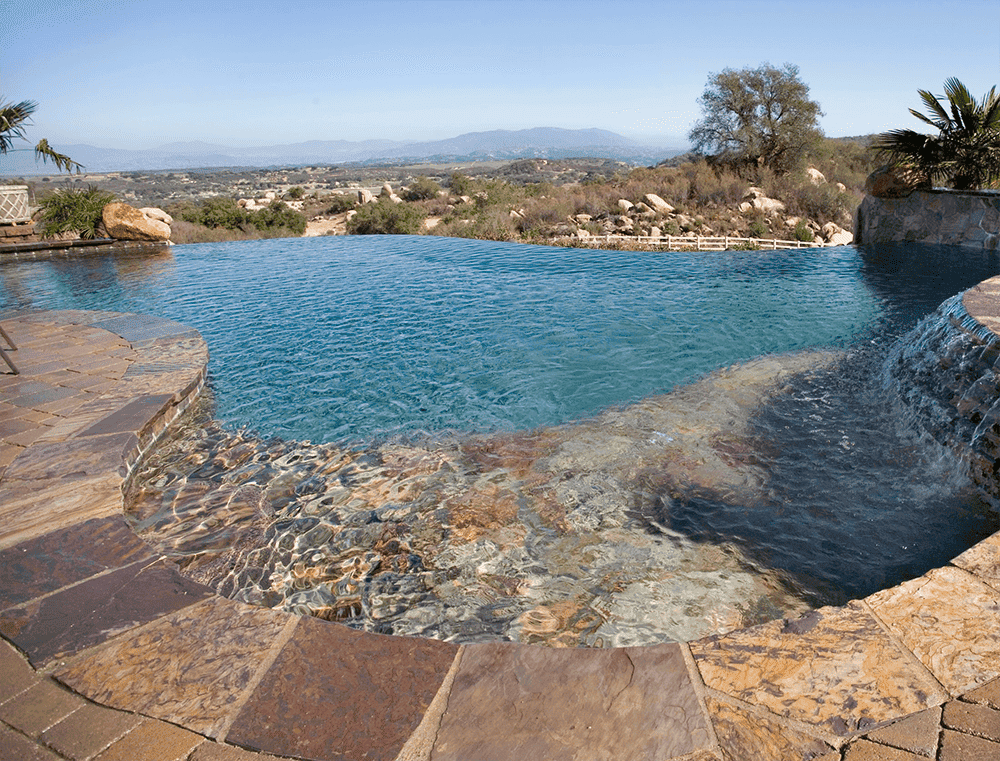
A swimming pool can be more than a place to cool off during warm weather. With thoughtful design, it can become a peaceful outdoor retreat that blends seamlessly with the surrounding landscape. Naturalistic pools are an excellent choice for homeowners who want to combine the comfort of a modern swimming pool with the organic beauty of nature. From flowing shapes and natural stone accents to lush greenery and relaxing water features, these pools create an inviting atmosphere that feels connected to the outdoors.
Whether you are designing a new backyard or upgrading an existing pool, a naturalistic approach offers plenty of opportunities to personalize your outdoor living space. By combining practical features with natural materials, you can create a pool environment that looks beautiful, feels relaxing, and complements your home's architecture.
What Are Naturalistic Pools?
Naturalistic pools are swimming pools designed to reflect the appearance and atmosphere of natural environments. Instead of relying exclusively on straight lines, geometric shapes, and traditional pool finishes, they incorporate organic forms, earthy textures, landscaping, and water features inspired by nature.
Some designs resemble a secluded garden retreat, while others evoke the feeling of a tropical lagoon or a peaceful mountain spring. The final appearance depends on the homeowner's preferences, the available space, and the surrounding landscape.
Unlike a conventional pool design that may stand apart from the rest of the backyard, a naturalistic pool is planned as part of a larger outdoor environment. Plants, stonework, lighting, pathways, and seating areas work together to create a cohesive setting.
Naturalistic pools can also incorporate modern conveniences, including efficient circulation systems, comfortable entry steps, underwater lighting, and automated controls. The goal is to combine a natural appearance with the functionality expected from a well-designed swimming pool.
Why Naturalistic Pools Are Becoming a Popular Backyard Choice
Homeowners increasingly want outdoor spaces that support relaxation, entertainment, and everyday enjoyment. A thoughtfully designed pool can help achieve all three goals while adding visual interest to the property.
Naturalistic pools appeal to homeowners because they offer a softer, more organic alternative to highly structured pool designs. Their flowing shapes, layered textures, and integrated landscaping can make a backyard feel like a private retreat.
Another advantage is flexibility. A naturalistic design can be adapted to a spacious estate, a compact suburban yard, or a property with an existing garden. The right combination of materials and features can help the pool complement its surroundings rather than overwhelm them.
These pools can also create a strong connection between indoor and outdoor living. When positioned near a patio, outdoor kitchen, or covered seating area, the water and landscaping become part of the home's overall design.
Although appearance is an important consideration, successful pool planning should also account for safety, maintenance, circulation, and long-term durability. Balancing these practical requirements with natural design elements helps create an outdoor space that remains enjoyable over time.
Naturalistic Pools and the Importance of Organic Shapes
One of the defining characteristics of naturalistic pools is their shape. Traditional rectangular pools offer a clean, structured appearance, while organic designs use softer contours and flowing edges to create a more relaxed atmosphere.
Curved outlines can help a pool blend into surrounding gardens and planted areas. Asymmetrical layouts can also make the space feel less formal, particularly when the pool is surrounded by varied textures and natural materials.
The shape should reflect the dimensions and layout of the backyard. A smaller space may benefit from a compact, gently curved pool, while a larger property may accommodate a more expansive design with multiple visual zones.
Designers can also use changes in depth, built-in seating, entry steps, and shallow lounging areas to improve usability. These elements should be planned alongside the overall shape so the pool remains comfortable and functional.
Organic styling does not mean that every line must be curved. Straight edges can work well when balanced with natural stone, greenery, and other organic elements. The key is creating a design that feels harmonious with the surrounding environment.
Natural Materials That Enhance Naturalistic Pools
Materials have a major influence on how a pool looks and feels. The right finishes can reinforce the connection between the water, the garden, and the home's exterior.
Natural Stone and Textured Coping
Stone-inspired finishes can create an earthy, timeless appearance around the pool. Travertine, limestone, and other suitable stone materials are popular options for coping and surrounding surfaces, depending on the project's climate, budget, and design requirements.
Textured finishes can provide visual depth while helping distinguish the pool area from nearby patios or pathways. However, materials should be selected for their suitability around wet surfaces, including slip resistance, heat retention, durability, and maintenance needs.
Earth-Toned Pool Finishes
The interior finish influences the color and overall appearance of the water. Sandy beige, muted gray, and other earthy tones can create a softer visual effect than bright white or strongly contrasting finishes.
Water color also depends on depth, sunlight, reflections, and the surrounding environment. Reviewing finish samples under different lighting conditions can help homeowners make a more informed choice.
Wood and Complementary Outdoor Materials
Wood-look decking, weather-resistant timber, and carefully selected outdoor furniture can add warmth to the pool environment. These materials work particularly well when coordinated with stone, planting, and the home's existing exterior finishes.
Because pool areas experience moisture and frequent exposure to the elements, all materials should be chosen for outdoor performance and installed according to their intended use.
Landscaping Ideas for Naturalistic Pools
Landscaping is one of the most effective ways to make a pool feel integrated into its surroundings. Plants soften hard surfaces, create visual layers, and help connect the water with the wider garden.
When planning naturalistic pools, consider combining plants of different heights, textures, and growth habits. Low-growing plants can soften the edges of pathways, ornamental grasses can add movement, and carefully positioned shrubs can create a sense of privacy.
Choose species that suit the local climate and the amount of sunlight available. Plants that shed excessive leaves, produce messy fruit, or have aggressive root systems may create additional maintenance challenges near the pool.
Plant placement is also important for safety and visibility. Avoid blocking access routes, equipment areas, or clear sightlines across the swimming space. A qualified landscape professional can help identify plants that provide the desired appearance without creating unnecessary upkeep.
For a balanced design, use a combination of greenery and open space. Too many plants can make the pool area feel crowded, while a carefully layered arrangement can create a lush appearance without compromising usability.
Water Features That Complete Naturalistic Pools
Water features can give a naturalistic pool a more immersive atmosphere. The sound and movement of water introduce another sensory element, making the surrounding space feel calmer and more dynamic.
Waterfalls and Cascades
A waterfall can create a focal point while adding movement to the pool. Stone surrounds and irregular rock-inspired finishes can help the feature blend into the landscape.
The scale should suit the pool and backyard. A modest cascade may be appropriate for a compact garden, while a larger feature may complement a spacious outdoor retreat.
Bubblers and Decorative Water Jets
Bubblers introduce gentle movement in shallow areas, while selected water jets can add visual interest to a pool's design. These features can be particularly effective in tanning ledges or dedicated shallow-water zones.
Integrated Spillways
A spillway allows water to flow between connected pool elements or from an elevated feature into the main pool. When designed carefully, it can create a smooth visual connection between different parts of the outdoor space.
All water features require suitable plumbing, circulation, and maintenance planning. Their design should account for water loss, noise, splash, and operating costs to ensure they enhance the experience rather than complicate pool ownership.
Lighting Ideas for Naturalistic Pools
Lighting helps extend the enjoyment of a pool area into the evening while highlighting its most attractive features. For naturalistic pools, lighting should enhance the landscape without making the environment feel overly bright or artificial.
Underwater LED lights can illuminate the pool itself, while low-level pathway lighting improves visibility around walking routes. Accent lights can highlight trees, textured walls, stone features, and planting beds.
Warm lighting often complements earthy materials and garden settings. However, the best color temperature and brightness depend on the overall design and the desired atmosphere.
Layered lighting is generally more effective than relying on one intense light source. Combining functional illumination with subtle accent lighting creates depth and helps different areas of the backyard feel connected.
Electrical equipment around swimming pools must comply with applicable safety codes and be installed by qualified professionals. Good lighting design should always prioritize safe access, appropriate fixture ratings, and reliable operation.
Designing Naturalistic Pools for Different Backyard Sizes
A naturalistic pool does not require a huge property. The design can be scaled to suit different spaces as long as the layout is carefully planned.
Small Backyards
In compact yards, a smaller pool with gently curved edges can create a relaxing atmosphere without consuming the entire outdoor area. Vertical planting, simple stone accents, and a limited palette of materials can make the space feel cohesive.
Built-in seating and integrated steps may help reduce the need for separate furniture. Keeping the surrounding layout uncluttered can also make a small backyard feel more open.
Medium-Sized Outdoor Spaces
Medium-sized yards provide opportunities to combine a pool with a patio, planted borders, and a dedicated lounging area. A clear layout helps preserve comfortable movement between the pool and other outdoor features.
Using consistent materials across the pool surround and patio can visually connect these zones. Strategic planting can provide privacy while maintaining an open view of the water.
Large Properties
Larger properties may accommodate more elaborate designs with multiple curves, expansive stone surrounds, waterfalls, and several outdoor living areas. The pool can become the central feature of a wider landscape plan.
Even with generous space, proportion matters. Each feature should support the overall design rather than compete for attention. A coordinated plan helps ensure that the pool, planting, seating, and pathways feel like parts of the same environment.
Practical Considerations When Building Naturalistic Pools
The appearance of a pool is only one part of a successful project. Before construction begins, homeowners should consider how the design will perform in everyday use.
Drainage and site conditions: The ground, slope, and existing drainage patterns can affect construction requirements. Proper planning helps prevent unwanted water accumulation and protects surrounding structures.
Circulation and filtration: Reliable circulation and appropriately sized filtration equipment are essential for maintaining water quality. Equipment should be selected according to the pool's volume, usage, and applicable requirements.
Safety and accessibility: Pool barriers, gates, steps, handholds, and other safety measures should be incorporated into the design from the beginning. Local building codes and safety regulations must guide the final plan.
Maintenance requirements: Plants, stonework, water features, and specialized finishes may require different levels of care. Discussing maintenance expectations early can help avoid choices that do not suit your lifestyle.
Budget and long-term costs: Construction costs depend on the pool's size, site conditions, materials, equipment, and additional features. Homeowners should also consider routine cleaning, energy use, water treatment, and future repairs when setting a budget.
Addressing these factors early helps ensure that the completed pool is both visually appealing and practical to maintain.
Why Professional Planning Matters for Naturalistic Pools
Creating a natural-looking pool requires more than selecting curved edges and decorative stone. The pool must work with the property, meet technical requirements, and provide a comfortable experience for the people using it.
Professional planning helps coordinate the pool layout, surrounding hardscape, landscaping, water features, circulation equipment, and lighting. It also helps identify potential site challenges before they become costly construction issues.
A well-planned design considers how people will enter the pool, move around the deck, relax beside the water, and access nearby outdoor living areas. It also accounts for equipment placement, maintenance access, and the relationship between the pool and the home's architecture.
Homeowners should discuss their priorities, preferred materials, maintenance expectations, and budget with an experienced pool professional. Reviewing design concepts and finish samples can help translate broad ideas into a cohesive, buildable plan.
Mission Pools offers pool design and construction services, with pool features that can help homeowners personalize their outdoor environments. Explore the options available through the Mission Pools pool features page to learn more about features that may complement your project.
Create a Relaxing Outdoor Retreat With Naturalistic Pools
A thoughtfully designed pool can transform an ordinary backyard into a welcoming space for relaxation, recreation, and entertaining. By combining organic shapes, natural-looking materials, carefully selected landscaping, and complementary water features, naturalistic pools create an outdoor environment that feels connected to nature.
The best design balances visual appeal with comfort, safety, durability, and manageable maintenance. Whether you prefer a simple garden-inspired pool or a more elaborate landscape retreat, careful planning can help you achieve a result that complements your property and lifestyle.
If you are considering a new pool or updating an existing outdoor space, explore the pool features offered by Mission Pools and discuss your ideas with a qualified pool professional. With the right combination of design and practical planning, you can create an outdoor setting that you will enjoy for years to come.

 English
 Arabic
 French
 Spanish
 Portuguese
 Deutsch
 Turkish
 Dutch
 Italiano
 Russian
 Romaian
 Portuguese (Brazil)