


Why Your Backup Generator Fails When You Need It Most
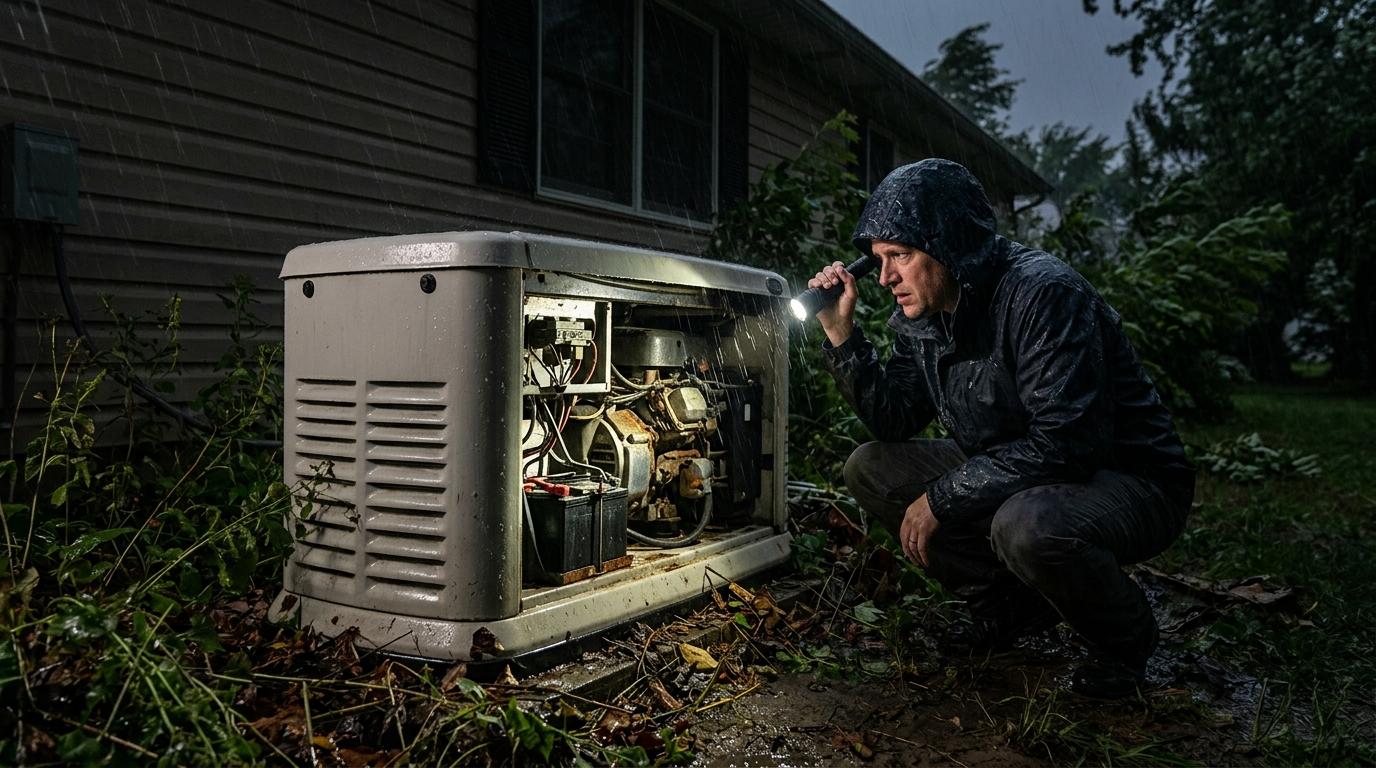
A backup generator should take over when regular electricity becomes unavailable. But what happens when the power goes out and the generator refuses to start? Sometimes the engine runs, yet the house remains dark. Other times, the system starts briefly before shutting down. These failures can be frustrating, especially during freezing weather or a long outage when heating, refrigeration, and other essential equipment depend on backup electricity. Understanding what causes these problems can help homeowners recognize warning signs, avoid unsafe repairs, and take the right steps before another outage occurs.
Why a Generator Can Stop Working Without Warning
Standby generators contain several systems that must work together. The engine needs fuel, a functioning starting battery, proper lubrication, and working controls. The electrical components must also deliver power safely to the selected household circuits. A problem with any of these components can prevent the generator from operating correctly, even if the rest of the equipment is in good condition. This explains why a generator might pass a visual inspection but still fail during an outage. Regular operation checks and professional maintenance help identify developing problems before the equipment is needed.
A failed generator does not always mean the engine itself is damaged. For example, a weak starting battery can prevent an otherwise healthy engine from turning over, while a transfer switch problem can leave the house without electricity even when the engine runs normally. Identifying which part of the operating sequence has failed is usually more valuable than immediately replacing expensive components. The starting behavior, warning indicators, and maintenance history provide important clues.
Common Problems That Prevent a Generator From Starting
Weak Batteries and Starting System Problems
Many standby generators use a battery to start their engines automatically. Batteries lose capacity with age, temperature changes, and charging problems. A generator that makes clicking sounds, cranks slowly, or does nothing when it receives a starting command may have a battery-related problem. However, similar symptoms can also involve a starter motor, wiring connection, or control system. Replacing the battery without checking the charging circuit may provide only temporary relief. A qualified technician can test the starting system and determine whether the battery or another component is responsible.
Fuel Supply Interruptions
A generator may crank normally but fail to start when sufficient fuel is unavailable. Natural gas systems depend on adequate supply pressure and properly functioning fuel controls, while propane systems require sufficient fuel in the tank. A partially restricted supply or faulty fuel component may also cause unstable operation under load. Homeowners can check an accessible propane tank gauge or look for visible fuel-related warnings without disturbing connections. Gas valves, regulators, and fuel lines should be inspected by qualified professionals. If there is a suspected gas leak, leave the area and contact the gas utility or emergency services.
Low Oil, Overheating, and Automatic Shutdowns
Most modern standby generators include protective controls that shut down the engine when certain operating conditions become unsafe. Low oil pressure, excessive engine temperature, and other monitored faults can trigger these shutdowns. An engine that starts but stops shortly afterward may be responding to one of these conditions. Repeatedly restarting it without investigating the warning can make an existing mechanical problem worse. The correct response is to record the displayed fault and follow the manufacturer's instructions. Oil inspections should be performed only when the equipment is safely stopped and cooled, according to its manual.
Why the Engine Runs but the House Still Has No Power
A running engine does not automatically mean electricity is reaching the home. In a standby system, the generator must produce acceptable electrical output, and the transfer equipment must connect that output to the selected circuits. A faulty breaker, control connection, or automatic transfer mechanism can interrupt this process. Some systems may also delay power transfer briefly while the generator stabilizes. If the engine continues running but the home receives no electricity after the normal operating delay, professional diagnosis is needed. The transfer equipment can contain dangerous voltage even when the generator is not supplying the house.
Another possibility is that the connected electrical demand exceeds the system's available capacity. Large appliances such as air conditioners, pumps, and electric heating equipment can create substantial demand, especially when motors start. An overloaded system may disconnect certain loads or shut down to protect itself, depending on its design. The important distinction is whether the generator cannot produce electricity or whether the power distribution system cannot deliver it safely. Those problems require different repairs, so accurate testing matters.
What Indianapolis Homeowners Can Check Before Calling for Repairs
Indianapolis homeowners may depend on backup electricity during thunderstorms, winter storms, or unexpected utility interruptions. When a generator fails, it is useful to gather basic information without removing protective covers or touching internal electrical components. Start by checking whether neighboring properties also have an outage and whether the utility has reported a service interruption. Next, look at the generator's external status display, if safely accessible, and record any alarm code. These observations can help a technician narrow down the likely cause before beginning testing.
A few practical checks include:
-
Record whether the generator cranks, starts briefly, runs continuously, or remains completely silent.
-
Check accessible status indicators and note any displayed error messages.
-
Review the date of the most recent maintenance visit and battery replacement.
-
Check the propane level if the system uses an accessible tank gauge.
-
Keep the surrounding ventilation openings clear of loose debris without opening the equipment.
These checks are intended to document the problem, not repair it. Do not remove electrical panels, bypass protective controls, work on gas connections, or repeatedly reset an unexplained fault. A generator may contain live electrical components, stored battery energy, hot engine surfaces, and combustible fuel. If the equipment has visible damage, an unusual burning smell, or a suspected fuel leak, keep away from it and arrange appropriate professional help.
When Professional Repairs Are Necessary
When a generator repeatedly fails its exercise cycle, displays recurring fault messages, or does not supply power during an outage, professional testing becomes important. Technicians can evaluate battery condition, charging performance, engine operation, electrical output, and transfer equipment. The exact testing process depends on the generator model and the symptoms reported. Someone searching for generator repair in indianapolis should look for a provider qualified to work on the installed generator and its electrical connection, rather than assuming every electrical contractor services every generator model.
A useful repair assessment should explain what failed, why it failed, and which work is needed to correct the problem. If a component has failed repeatedly, ask whether another condition may be causing it. For example, replacing a discharged battery without investigating a defective charger can lead to the same failure again. For an older generator, compare the repair cost, availability of replacement parts, overall condition, and remaining service life before approving major work.
How to Reduce the Risk of Another Generator Failure
The most effective maintenance plan begins well before the next power outage. Homeowners should follow the manufacturer's recommended service intervals for oil changes, filters, battery inspections, and other model-specific tasks. Many standby generators also perform automatic exercise cycles to verify basic operation. However, an exercise cycle that starts the engine does not necessarily prove that the system will transfer power to the house. A professional inspection may need to include an appropriate transfer test when permitted by the equipment and operating conditions.
Keep a simple maintenance record that includes service dates, operating hours, battery replacement dates, and recurring fault codes. After a prolonged outage, check whether additional maintenance is due based on engine runtime. Also keep the generator's air intake and exhaust areas unobstructed, and make sure carbon monoxide alarms in the home are working. These habits make it easier to recognize developing problems and give technicians a clearer service history.
Conclusion
A generator failure becomes easier to address when homeowners understand the difference between starting problems, engine shutdowns, and electrical power delivery failures. Recording symptoms, maintaining the equipment, and arranging qualified inspections can prevent a small problem from turning into an expensive outage-related breakdown. One often-overlooked component is the starter motor, which converts electrical energy from the battery into the mechanical motion needed to start an engine. Understanding how these systems depend on one another is an important part of keeping backup electricity reliable.

 English
 Arabic
 French
 Spanish
 Portuguese
 Deutsch
 Turkish
 Dutch
 Italiano
 Russian
 Romaian
 Greek