


Understanding the Influence of Aggregate Mineralogy on Concrete Performance
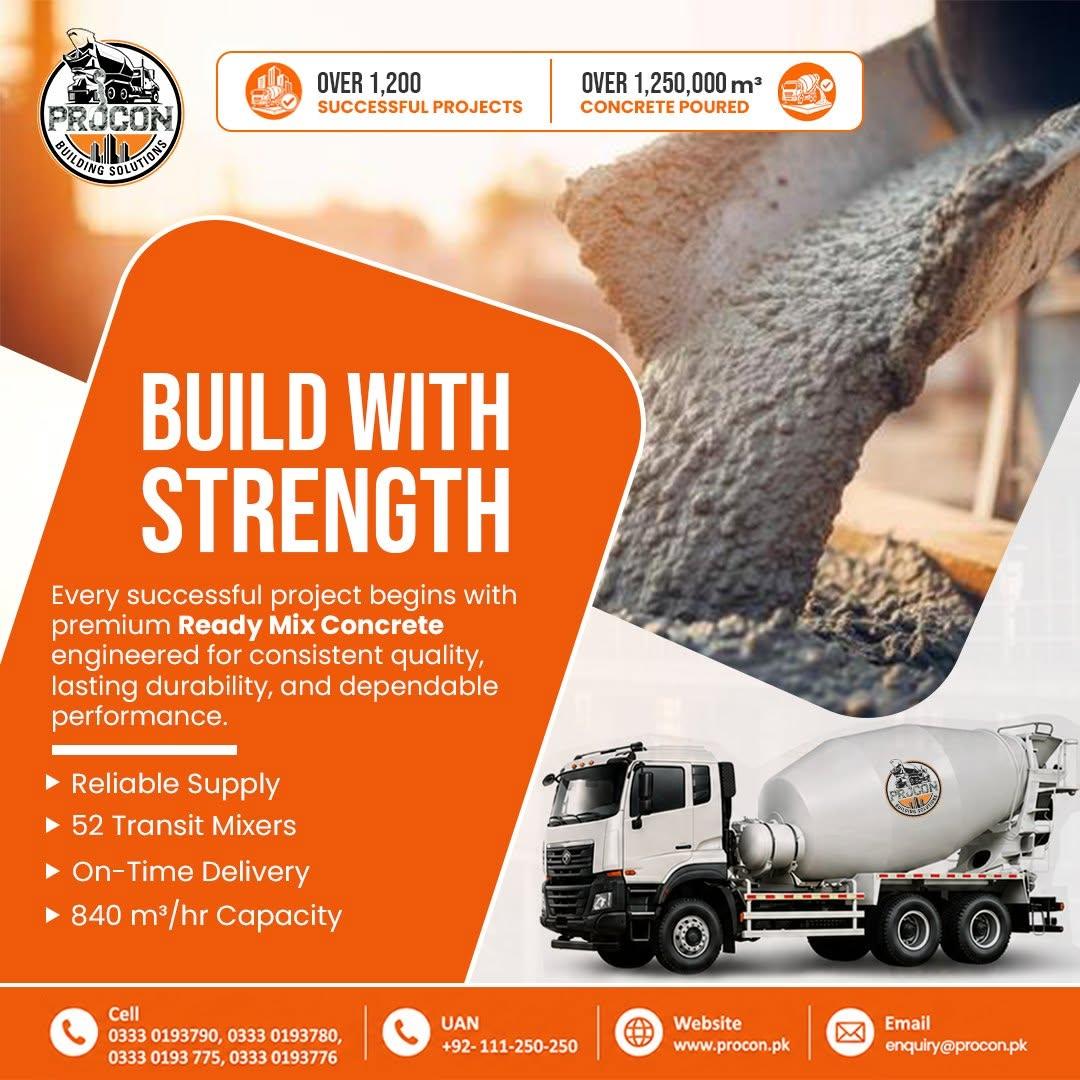
When designing high-strength structural elements for modern commercial and residential developments, engineers frequently focus on cement types and water-cement ratios. However, aggregates constitute roughly 70 to 80 percent of the total volume of hardened concrete, making their physical and chemical properties deeply influential to the composite's overall behavior. The mineralogical composition of rock sources—whether quartz-rich granite, limestone, or sandstone—dictates crucial mechanical properties such as thermal expansion, elasticity, and chemical stability. For major regional infrastructure projects utilizing professional supply networks like concrete pump Karachi, understanding aggregate mineralogy is vital for predicting long-term durability and structural resilience under demanding environmental conditions.
The Role of Mineral Composition in Mechanical Strength and Stiffness
The geological parent material of an aggregate directly affects how well the particles bond with the surrounding cement paste matrix. Hardness, crystalline structure, and surface texture vary significantly depending on mineralogy, altering load transfer efficiency.
Critical mechanical traits influenced by mineralogy include:
-
Interfacial Transition Zone (ITZ) Bonding: Mineral surfaces that exhibit favorable chemical affinity with calcium silicate hydrate promote a denser bond, minimizing micro-cracking under stress.
-
Elastic Modulus Variations: Aggregates composed of dense quartz or interlocking silicate crystals offer higher stiffness, restricting overall structural deformation under high dead loads.
-
Hardness and Abrasion Resistance: Rocks containing quartz or fine-grained igneous minerals display superior resistance to surface wear, making them ideal for heavy-duty industrial flooring and pavement slabs.
Thermal Compatibility and Volume Stability
Temperature fluctuations pose a continuous threat to concrete structures, inducing expansion and contraction cycles over daily and seasonal shifts. If the thermal expansion coefficients of the cement paste and the aggregate differ drastically, internal thermal stresses develop, leading to micro-cracking and premature degradation.
Limestone aggregates, for instance, often exhibit thermal expansion properties that match well with cement paste, promoting dimensional stability. Conversely, certain quartz-rich or siliceous aggregates can experience higher thermal sensitivity or even react adversely with alkaline cement components through alkali-silica reactions (ASR). Geotechnical assessments at the batching stage ensure that reactive minerals are identified and neutralized with appropriate supplementary materials before production begins.
Managing Reactivity and Durability in Aggressive Environments
Beyond physical strength and thermal movement, mineralogical composition determines chemical vulnerability. Certain mineral phases present in regional stone quarries can react negatively with groundwater sulfates, chlorides, or industrial chemicals over decades of exposure.
Selecting chemically inert aggregates or employing protective mineral admixtures prevents destructive expansive reactions, ensuring the concrete matrix retains its structural integrity. Thorough petrographic examination allows material engineers to filter out reactive components, safeguarding structures against internal disruption and corrosion.
Conclusion
Aggregate mineralogy is a foundational determinant of concrete performance, influencing everything from mechanical stiffness and thermal compatibility to chemical durability. Recognizing that stone is an active participant in structural chemistry rather than an inert filler allows engineers to optimize mixes for extreme service environments. To explore certified concrete formulations, rigorous material testing, and dependable deployment capabilities, learn more about concrete pump Karachi today.
Survey No. 423, Ibrahim Hydri, behind Bol head quarter, Korangi creek road, Karachi-74900
+92 21 111 250 250

 English
 Arabic
 Spanish
 Portuguese
 Deutsch
 Turkish
 Dutch
 Italiano
 Russian
 Romaian
 Portuguese (Brazil)
 Greek