


How to Choose Flooring That Fits Your Home and Lifestyle
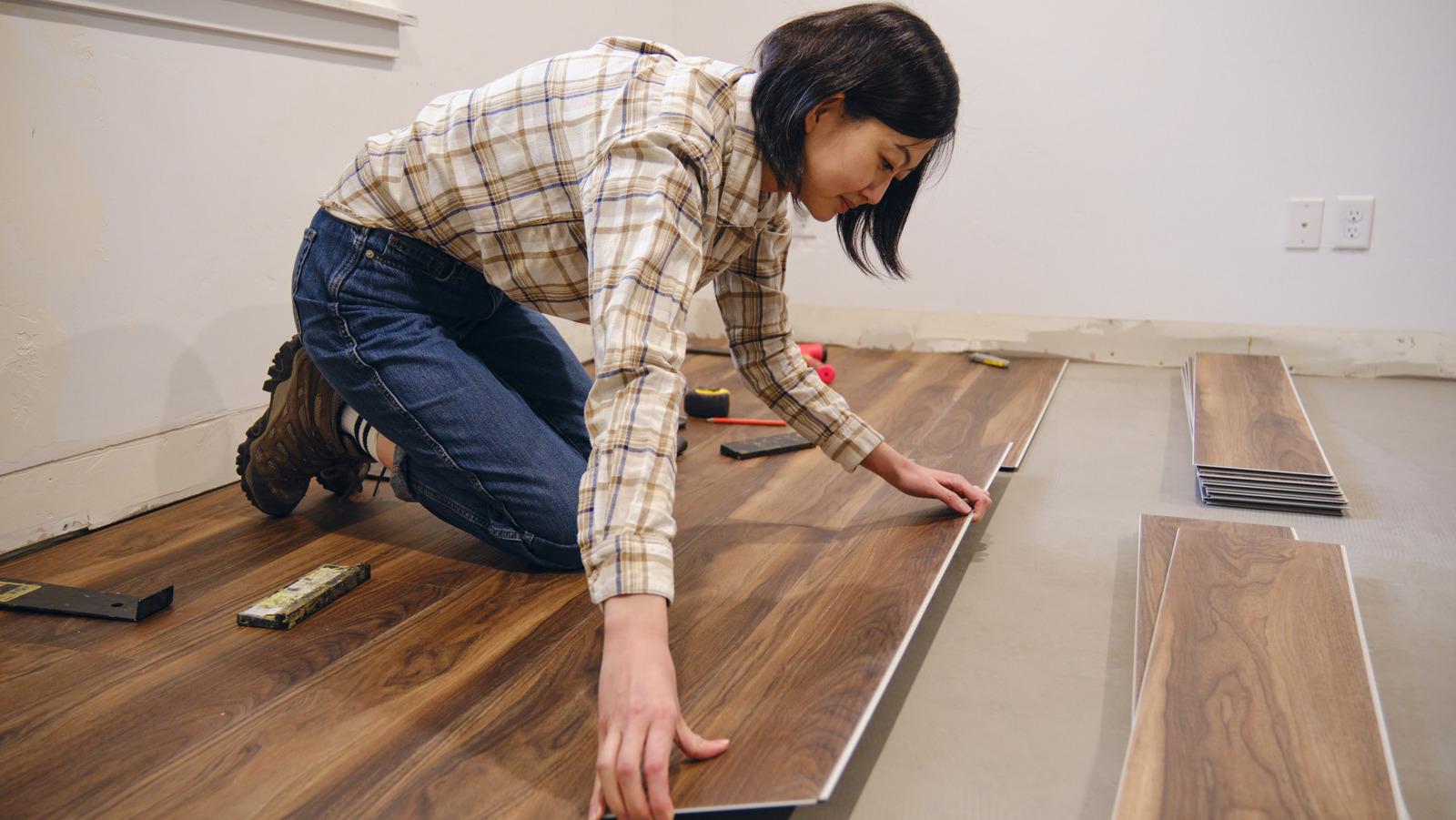
Flooring influences the appearance, comfort, and functionality of every room in a home. It provides the foundation for furniture, affects how spaces connect, and experiences daily wear from foot traffic, pets, spills, and moving objects. Choosing the right material can help homeowners create interiors that remain attractive and practical for years.
Successful flooring design and installation begins with understanding the conditions in each room. A busy kitchen has different requirements from a quiet bedroom, while an entryway needs a surface that can handle dirt and moisture. Considering these differences before purchasing materials helps homeowners avoid choices that may not suit their household or the intended use of the space.
Identify the Needs of Each Room
The first step in a flooring project is deciding how each area will be used. Instead of selecting one material based only on appearance, consider traffic levels, exposure to moisture, cleaning requirements, and comfort underfoot.
Living rooms and bedrooms often benefit from surfaces that feel comfortable and complement the furniture. Kitchens and entryways usually require materials that are easier to clean and can tolerate regular spills or tracked-in dirt. Bathrooms and laundry rooms need products specifically suitable for their moisture conditions.
Households with children or pets may prefer surfaces that are relatively easy to maintain and less likely to show everyday marks. People who spend considerable time standing in the kitchen may also consider comfort when comparing available options.
Existing floor conditions should be evaluated before new materials are selected. Uneven surfaces, damaged boards, loose tiles, and signs of moisture can affect the installation method. A new floor may not perform properly if these issues are ignored.
Create a list of priorities for each room. This makes it easier to compare products according to practical requirements rather than choosing materials that look appealing but may not work well in everyday conditions.
Compare Popular Flooring Materials
Different flooring products offer different combinations of appearance, durability, maintenance, and cost. Understanding their characteristics helps homeowners select options that suit both the property and their routines.
Hardwood flooring provides a natural appearance and can complement many interior styles. Depending on the product, species, finish, and thickness, it may be refinished to renew its appearance. However, solid hardwood can be sensitive to changes in moisture and humidity, so installation conditions and ongoing care matter.
Engineered wood has a real wood surface supported by a layered construction. Its performance varies by product, including the thickness of the wood layer and the manufacturer's installation requirements. It may be suitable for locations where a solid wood product is less practical, but moisture limitations still need to be checked.
Luxury vinyl flooring is available in designs that resemble wood, stone, and other materials. Many products are designed for easy cleaning and everyday residential use. Suitability for kitchens, bathrooms, or below-grade spaces depends on the specific product and installation instructions.
Laminate flooring often provides a wood-inspired appearance at a relatively accessible price. Its core and surface construction vary, and not every product is suitable for areas exposed to frequent moisture. Homeowners should verify water-resistance claims and installation restrictions before purchasing.
Tile flooring can be a practical choice for kitchens, bathrooms, and entryways. Ceramic and porcelain products come in numerous finishes and patterns. The surface texture, grout requirements, and installation method should be considered alongside appearance.
Carpet offers a softer surface that can make bedrooms and selected living areas feel warmer and quieter. Fiber type, pile height, stain resistance, and cleaning needs all affect its suitability for a particular household.
No single material is best for every room. Comparing the requirements of each space with the product's specifications leads to more reliable decisions.
Understand the Importance of Subfloor Preparation
The surface beneath new flooring has a major influence on the finished result. Even high-quality materials may develop problems if the subfloor is uneven, unstable, damp, or unsuitable for the chosen installation system.
Preparation begins with inspecting the existing surface. Depending on the project, this may involve removing old flooring, securing loose sections, correcting uneven areas, or replacing damaged material.
Moisture testing may be necessary for concrete slabs and other surfaces. Certain flooring products have strict limits for moisture content and may require a compatible underlayment or moisture-control system. These requirements should be confirmed before installation begins.
Subfloor flatness and levelness are not always the same. A surface can be generally level but still contain small variations that interfere with some flooring products. The acceptable tolerances depend on the material and manufacturer's instructions.
Underlayment also deserves careful consideration. Some products require a specific underlayment for sound reduction, moisture management, or installation support. Using an incompatible product can affect performance or interfere with the manufacturer's warranty.
Preparation may not be visible once the floor is complete, but it is one of the most important stages of the project. Spending time on the foundation helps reduce the likelihood of avoidable installation problems.
Coordinate Flooring With the Interior Design
Flooring occupies a large visual area, so its color, texture, and pattern can influence the entire room. Choosing a material that works with the walls, cabinets, furniture, and lighting helps create a balanced interior.
Light-colored flooring can make a room feel more open, while darker shades may create a sense of depth. The final appearance depends on room size, natural light, wall colors, and the amount of contrast between different surfaces.
Wood-look materials are available in a range of tones, from pale natural shades to deeper browns. Homeowners should examine samples beside existing furniture and fixed features before making a final decision.
Pattern also affects the visual character of a room. Straight plank arrangements can create a simple, consistent appearance, while diagonal or more decorative layouts may add interest. Complex patterns can require additional cutting and installation time, so their cost should be considered.
Tile size influences the appearance of floors as well. Larger tiles may create fewer grout lines in suitable spaces, while smaller formats can provide more flexibility around certain features. Room dimensions and the need for careful cuts should guide the selection.
Take samples home whenever possible and examine them at different times of day. Indoor lighting can change how colors and textures appear, making this a useful step before placing a large order.
Consider Comfort, Sound, and Temperature
Flooring affects more than appearance. It can change how a room feels underfoot, how sound travels through the house, and how comfortable the space remains during different seasons.
Carpet generally provides a softer surface than tile or many hard flooring products. Some homeowners prefer the firm feel of wood or vinyl, particularly in areas where cleaning is frequent. Personal preference should be balanced with the needs of each room.
Sound transmission may be especially relevant in multi-level homes, apartments, or rooms above living areas. Certain underlayments and flooring systems can help reduce impact noise, but their effectiveness depends on the complete floor assembly and installation method.
Temperature also affects comfort. Hard surfaces may feel cooler underfoot, especially during colder weather. Rugs can provide localized warmth and help define seating areas without changing the permanent floor.
If radiant heating is planned, confirm that the selected flooring product is compatible with the system. Temperature limits, installation methods, and acclimation requirements vary by material.
Furniture pads and suitable protective accessories can also help reduce noise and prevent scratches. These small measures can make a noticeable difference in rooms used throughout the day.
Plan for Moisture and Seasonal Changes
Moisture is one of the most important factors in flooring selection. Water exposure can affect wood products, laminate, adhesives, subfloors, and other components differently.
Kitchens may experience occasional spills, while bathrooms and laundry areas are exposed to higher moisture levels. Basements can present additional challenges because concrete slabs and below-grade walls may be affected by moisture movement.
Choose products specifically approved for the intended location. A claim that a surface is water-resistant does not automatically mean every part of the flooring system is waterproof. Edges, seams, joints, and the underlying subfloor may still require protection.
Indoor humidity can also influence some materials. Wood expands and contracts as moisture conditions change, and insufficient acclimation or improper installation can contribute to gaps or movement.
Follow the manufacturer's guidance regarding storage, acclimation, indoor conditions, and installation. Maintaining appropriate humidity after installation may also help protect materials that respond to seasonal changes.
If there is a history of leaks, flooding, or dampness, address the underlying cause before replacing the floor. Installing new material over an unresolved moisture problem can lead to damage and additional expense.
Keep Maintenance Simple and Consistent
Every flooring type has its own cleaning requirements. Selecting a material that fits the household's maintenance habits can make long-term care easier.
Regular sweeping or vacuuming helps remove dust, grit, and small particles that may scratch certain surfaces. Entry mats can reduce the amount of dirt brought into the home, especially during wet or muddy weather.
Use cleaning products approved for the flooring material. Excessive water, abrasive tools, or unsuitable chemicals can damage finishes and affect adhesives or joints. Manufacturer instructions provide a useful starting point for establishing a safe cleaning routine.
Wood floors may require specific cleaning methods and occasional refinishing, depending on their construction and finish. Tile surfaces need suitable care for both the tile and grout, while carpet benefits from regular vacuuming and appropriate stain treatment.
Furniture can also affect floor condition. Protective pads beneath chairs, tables, and heavy items may help prevent scratches. Rolling office chairs should use suitable floor protection when needed.
Check for small problems periodically. Loose edges, damaged joints, or changes in the surface may be easier to address when identified early rather than after the damage spreads.
Make a Budget That Covers the Full Project
Flooring costs include more than the price per square foot of the selected material. Removal of old flooring, subfloor repairs, underlayment, transitions, trim, delivery, and labor can all affect the total expense.
Begin by measuring the area accurately. Additional material is generally needed for cuts, layout patterns, and future repairs. The appropriate allowance depends on the shape of the room, the product, and the installation design.
Ask for a detailed estimate that separates materials from installation and preparation work. Clarify whether furniture moving, old-floor removal, disposal, and replacement of trim are included.
It is also sensible to keep a reserve for unexpected conditions. Problems discovered beneath existing flooring can increase the cost, particularly when repairs involve moisture damage or an uneven subfloor.
For homeowners researching quality flooring remodeling in Indianapolis IN, local building conditions, product availability, contractor schedules, and the requirements of the existing property may influence the project plan. Checking these details before ordering materials can help prevent unnecessary delays.
Avoid selecting a product based on its purchase price alone. A slightly more expensive option may better suit the room's use or require less maintenance, while an inexpensive product may not perform well under the intended conditions.
Choose an Installation Plan That Minimizes Disruption
Replacing flooring can temporarily affect access to rooms and daily household routines. Planning the work sequence helps reduce inconvenience and protects newly installed surfaces.
Decide which rooms should be completed first and whether furniture can be moved into another area. In homes where several rooms are being updated, completing work in a coordinated sequence may help maintain access to essential spaces.
Material delivery should be arranged with enough time for inspection and any required acclimation. Check packages for visible damage and confirm that the correct product, color, and quantity have arrived before installation begins.
Some flooring systems require specific temperature and humidity conditions. Others need adhesives or finishing products to cure before furniture can be returned to the room. Follow the installation instructions rather than assuming the floor will be ready for immediate use.
Pets and children should remain away from active work areas, cutting tools, adhesives, and unfinished surfaces. Clear communication with installers about access, cleanup, and expected completion times can make the process easier to manage.
Before considering the project complete, inspect transitions, edges, visible joints, and the overall finish. Addressing concerns while the installation team is still available may simplify any necessary adjustments.
Conclusion
Choosing the right flooring requires a balance of appearance, durability, comfort, maintenance, and cost. By considering the purpose of each room, comparing suitable materials, and preparing the subfloor correctly, homeowners can make decisions that support both daily life and long-term performance.
Moisture control, installation quality, and consistent maintenance are just as important as the visible finish. With careful planning, new flooring can improve the look and functionality of a home while providing a practical foundation for everyday activities.

 English
 Arabic
 French
 Spanish
 Portuguese
 Deutsch
 Turkish
 Dutch
 Italiano
 Romaian
 Portuguese (Brazil)
 Greek