


Offset Charcoal Smoker: A Traditional Way to Get Better BBQ Flavor
Good barbecue takes time. There is no real shortcut when you want tender brisket, smoky ribs, or pulled pork that falls apart with just a little pressure. You need good meat, a steady fire, and a smoker that lets you control the cooking process. That is where an offset charcoal smoker makes a difference.
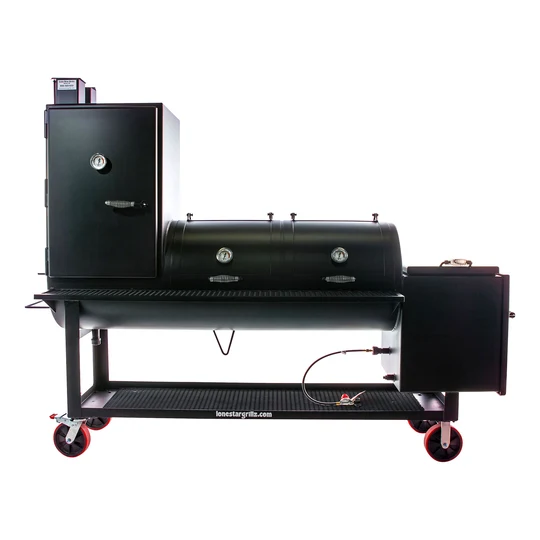
Unlike gas grills or electric smokers, an offset smoker uses a separate firebox to produce heat and smoke. The smoke travels into the main cooking chamber, slowly cooking the meat while adding that deep, wood-fired flavor many BBQ lovers want. It takes some practice, sure, but once you understand how the fire works, the results can be worth the effort.
For anyone who enjoys cooking outdoors and wants more control over the process, an offset charcoal smoker is a solid option. And if you are building a serious outdoor cooking setup, pairing a smoker with custom grills can make your backyard more useful for everything from slow-cooked brisket to burgers on a hot grate.
What Makes an Offset Charcoal Smoker Different?
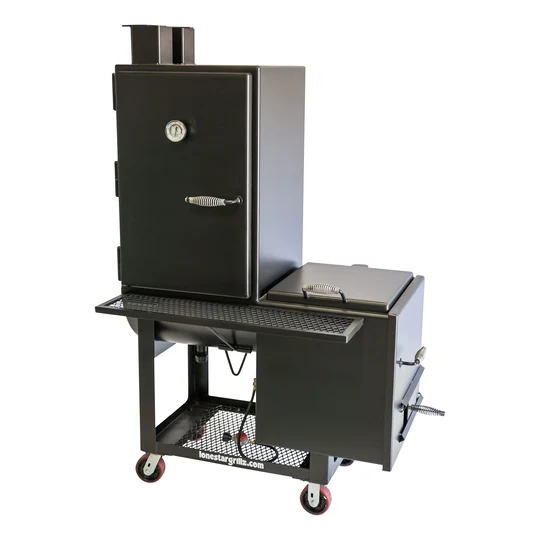
An offset charcoal smoker has two main sections: a firebox and a cooking chamber. Charcoal burns inside the firebox, often with hardwood added for extra smoke flavor. Heat and smoke then move through the cooking chamber before leaving through the exhaust.
This setup allows you to cook food slowly without placing it directly over the fire. That matters when you are preparing larger cuts of meat that need several hours to become tender.
The biggest difference is control. You can adjust the airflow, manage the charcoal, and add wood as needed. The process is more hands-on than using an electric smoker, but that is part of the appeal for many barbecue enthusiasts.
Of course, not every smoker performs the same way. Steel thickness, airflow design, construction quality, and the seal around the doors all affect how well a smoker holds temperature. A poorly built unit can turn a simple cook into a frustrating afternoon. A well-built one makes the job easier.
Why Charcoal Still Has a Place in Modern BBQ
There are plenty of cooking gadgets available today, but charcoal remains a favorite for a reason. It produces dependable heat when managed properly and works well with hardwood chunks or splits to create a rich smoky flavor.
An offset charcoal smoker also gives you room to experiment. Oak can provide a balanced smoke profile, while hickory brings a stronger flavor. Fruitwoods such as apple and cherry can add a milder, slightly sweet character to the food.
You do not need to use a pile of wood to get good results. In fact, too much smoke can make meat taste bitter. Clean-burning smoke, steady heat, and patience are usually more important than trying to make the cooking chamber as smoky as possible.
Charcoal smoking does require attention. You will probably check the temperature, adjust the vents, and add fuel during a long cook. Some people enjoy that process. Others prefer a set-it-and-forget-it cooker. Neither approach is wrong, but knowing what you enjoy will help you choose the right equipment.
Choosing the Right Offset Charcoal Smoker for Your Needs
Before buying an offset smoker, think about how you actually plan to use it. Cooking a few racks of ribs for the family is different from preparing several briskets for a large gathering.
Cooking space should be one of your first considerations. A larger chamber gives you room to cook different cuts together, but it also needs enough fuel and proper airflow to maintain a stable temperature. Bigger is not always better if you rarely need the extra capacity.
Construction is equally important. Heavy-gauge steel can help retain heat and reduce temperature swings, although the overall design still matters. Look at the firebox, cooking grates, hinges, handles, and door seals. These details might not seem exciting, but they affect the everyday experience.
Pay attention to the exhaust and intake vents, too. Good airflow helps the fire burn cleanly and makes temperature adjustments more predictable. If you are comparing different models, ask how the smoker is designed to distribute heat across the cooking chamber.
Finally, consider the maintenance involved. Ash needs to be removed, grease needs to be cleaned, and exposed metal needs appropriate care to prevent rust. A smoker is an outdoor cooking tool, not a decoration. It needs a little attention if you want it to last.
Getting Better Results From an Offset Charcoal Smoker
You do not need to be a competition pitmaster to cook good barbecue. Start with a few basic habits and improve as you go.
First, build a clean, steady fire. Let your charcoal establish itself before making major temperature adjustments. Add fuel gradually instead of making large changes that send the temperature swinging.
Second, learn your smoker's natural temperature pattern. Many offset smokers run hotter near the firebox and cooler toward the exhaust. Understanding those areas helps you position food more effectively. A separate thermometer at grate level can tell you more than relying on the built-in lid gauge alone.
Third, keep the smoke clean. Thick, dirty smoke is not a badge of honor. Give the fire enough oxygen and use suitable, properly seasoned smoking wood. The goal is a steady flow of clean smoke, not a chamber full of heavy white clouds.
Do not keep opening the cooking chamber every few minutes, either. It releases heat and extends cooking time. Check the meat when needed, but let the smoker do its job between checks.
Most importantly, cook to the condition of the meat rather than following the clock blindly. Brisket and pork shoulder can take different amounts of time depending on their size, the cooking temperature, and other conditions. Tenderness is what matters in the end.
How Custom Grills Complete Your Outdoor Cooking Setup
A smoker handles low-and-slow cooking beautifully, but it does not have to do everything. This is where custom grills become useful.
A dedicated grill gives you a place to cook steaks, vegetables, burgers, chicken, and other foods that benefit from direct heat. You can prepare brisket in the smoker while grilling side dishes or searing meat at a higher temperature. For anyone who regularly hosts friends and family, having both options can save time and make outdoor cooking much more enjoyable.
Custom grills also offer flexibility when planning your cooking area. You can choose a configuration that suits your available space, preferred cooking style, and the number of people you normally feed. Some setups focus on a large grilling surface, while others combine several cooking features into one outdoor station.
The key is to avoid buying equipment just because it looks impressive. Think about what you cook most often, how much room you have, and whether you need extra storage or preparation space. A practical setup will get used more than one that looks great but makes cooking awkward.
When a quality offset charcoal smoker and a suitable grill work together, you have more ways to cook without relying on a single piece of equipment for every job.
What to Look for in Quality Custom Grills
Good custom grills should be built around real cooking needs. That sounds obvious, but it is easy to focus on appearance and forget the details that matter once the fire is burning.
Start with the materials. Strong construction, durable grates, reliable hinges, and a design that supports proper airflow are worth considering. The grill should also be easy to access and clean after a long cooking session.
Think about the cooking surface, too. If you often cook for a large family or host weekend gatherings, a small grill may become limiting pretty quickly. On the other hand, an oversized grill can waste fuel and take up valuable outdoor space when you only cook a few meals each week.
Another factor is how the grill fits into your routine. Some people want a straightforward charcoal grill. Others want a more complete outdoor cooking station that complements their smoker. The right choice depends on how you cook, not simply on how many features a product offers.
Custom equipment can be especially appealing when standard store-bought options do not match your requirements. A well-planned setup can make better use of the space you have and give you the cooking capacity you need.
Keeping Your Smoker and Grill Ready for the Next Cook
Regular maintenance is not glamorous, but it saves trouble later. After each cook, allow the equipment to cool safely and remove excess ash from the firebox. Too much accumulated ash can restrict airflow and interfere with the next fire.
Clean cooking grates regularly and remove grease buildup before it becomes a problem. Grease management is particularly important when cooking fatty meats for several hours.
Protect the smoker and grill from prolonged exposure to rain whenever possible. Use an appropriate cover after the equipment has cooled completely, and follow the manufacturer's guidance for protecting the cooking chamber and exterior finish.
Check for rust, damaged seals, loose hardware, and other signs of wear from time to time. Small problems are generally easier to deal with before they affect performance.
With sensible care, quality outdoor cooking equipment can serve you for many years. The point is not to spend every weekend maintaining it. Just make a few simple habits part of your normal cooking routine.
Find Your Next BBQ Upgrade With Lone Star Grillz
A good barbecue setup should make cooking more enjoyable, not more complicated. An offset charcoal smoker gives you the traditional charcoal-and-wood experience, with the opportunity to develop your fire management skills and create deeply flavored food. Add the right custom grills, and you have even more flexibility for everyday meals, family gatherings, and weekend BBQ sessions.
The best equipment is the equipment that fits your cooking style, available space, and long-term plans. Take time to compare construction, cooking capacity, and practical features before making a decision.
Frequently Asked Questions
1. Is an offset charcoal smoker good for beginners?
Yes, although it has a learning curve. You will need to manage charcoal, monitor airflow, and maintain a steady cooking temperature. Start with shorter cooks, learn how your smoker responds to adjustments, and work up to longer cuts such as brisket.
2. What charcoal should I use in an offset smoker?
Good-quality lump charcoal or charcoal briquettes can both work. Lump charcoal often lights quickly and can reach higher temperatures, while briquettes tend to offer more uniform pieces. Your choice depends on your smoker and cooking preferences. Add suitable hardwood when you want additional smoke flavor.
3. Can I use custom grills and an offset smoker together?
Absolutely. An offset smoker is designed for slow cooking with indirect heat, while a grill is useful for direct-heat cooking and searing. Having both gives you more flexibility when preparing different foods for a gathering.
4. How do I choose a durable offset charcoal smoker?
Look at steel thickness, overall construction, door seals, firebox design, airflow, cooking capacity, and ease of cleaning. Also consider how often you cook and how much food you need to prepare. A smoker that suits your needs and receives regular maintenance is a better investment than one chosen on size or appearance alone.

 English
 Arabic
 French
 Spanish
 Portuguese
 Turkish
 Dutch
 Italiano
 Russian
 Romaian
 Portuguese (Brazil)
 Greek