


Indoor Fountains: How to Bring Peace, Style, and a Natural Feel Into Your Space
There is something about the sound of flowing water that makes a room feel different. It could be a quiet corner in your living room, a busy office, or even the entrance of a hotel. Add a fountain, and suddenly the space feels calmer and a little more welcoming. It is a small change, but it can make a real difference.
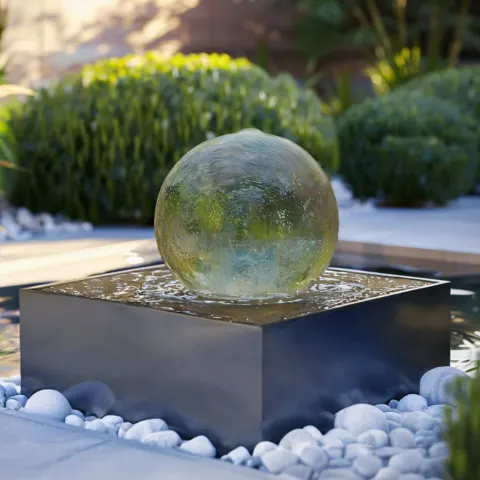
That is one reason indoor fountains have become a popular choice for homeowners, designers, and businesses. They are not just decorative pieces sitting in the corner. They bring movement, sound, and a natural element into spaces that might otherwise feel plain or lifeless.
And the best part? You do not need a huge house or an expensive renovation to enjoy one.
From compact tabletop designs to large wall-mounted water features, there are plenty of options to explore. Custom fountains offer even more freedom for people who want something that fits their space instead of settling for a standard design. Choosing the right fountain comes down to your available space, personal taste, and how you want the room to feel.
Why Indoor Fountains Are Worth Considering
Most people spend a good part of their day indoors. Between work, household responsibilities, screens, and everyday noise, having a peaceful place to unwind can be helpful. An indoor water fountain is one way to make that happen.
The gentle sound of running water can create a relaxing atmosphere without requiring major changes to your home. Unlike decorative objects that simply sit on a shelf, fountains add motion and sound. They make a room feel more alive.
They can also work with different interior styles. A sleek metal fountain might suit a modern office, while a natural stone design can fit beautifully into a traditional living room. Glass fountains are another option for people who prefer a lighter, contemporary look.
There is no single style that works for everyone. That is the point.
Indoor water features can also help define an area. A fountain near an entryway creates a welcoming first impression, while a smaller one in a reading corner can make the space feel more personal. In commercial settings, they can add character to reception areas, spas, restaurants, and waiting rooms.
Of course, a fountain will not magically solve every stressful day. But it can make your surroundings more pleasant, and sometimes that is enough.
Different Types of Indoor Fountains for Every Space
Before buying a fountain, think about where you want to place it. The size of your room, the available floor space, and the overall design all matter.
Tabletop Fountains
Tabletop fountains are a practical choice for smaller homes, apartments, and offices. They fit on desks, side tables, shelves, and countertops without taking up much room.
These fountains usually have a compact pump that circulates water continuously. Some feature natural stones, while others use ceramic, glass, or resin finishes. They are generally easier to install than larger models, making them a sensible option for first-time buyers.
A tabletop fountain can work particularly well in a home office or bedroom where you want a subtle decorative touch.
Just pay attention to the pump sound. A fountain that is supposed to be relaxing should not sound like a small machine struggling to do its job.
Wall-Mounted Indoor Fountains
If floor space is limited, wall-mounted fountains deserve a look. They use vertical space and can become a striking focal point without filling the room with furniture.
Popular designs include glass panels, slate finishes, stainless steel, and textured stone. Water flows down the surface into a hidden or visible basin, creating a clean, continuous movement.
These fountains can work well in modern homes, corporate offices, hotels, and reception areas. Larger installations may require additional planning for water protection, electrical connections, and wall support.
They are not always a simple weekend project, especially when the fountain is heavy or built into the wall. Getting the installation right matters.
Freestanding Indoor Fountains
Freestanding fountains offer more flexibility in terms of placement and appearance. They can sit in a living room, foyer, hallway, or commercial lobby, depending on their size.
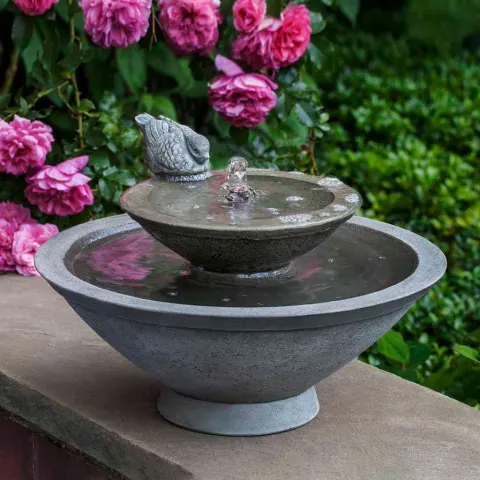
Some designs feature stacked bowls or cascading water, while others use sculptural forms and natural-looking materials. Because they are available in different heights and widths, it is easier to find a model that suits the proportions of your room.
A freestanding fountain can be a good choice when you want the water feature itself to become a central design element.
Custom Fountains: When Standard Designs Are Not Enough
Sometimes you know exactly what you want, but you cannot find it in a ready-made product. Maybe the space is unusually shaped, the ceiling is high, or you want a fountain that matches a particular interior design.
This is where custom fountains come into the picture.
A custom water feature gives you more control over its dimensions, materials, finish, and overall appearance. Instead of choosing from a limited collection, you can explore a design that works around your space and preferences.
For example, a business might want a large water wall behind its reception desk. A homeowner may prefer a natural stone fountain that blends into a quiet indoor garden. An architect might need a fountain designed around an existing wall, lighting plan, or architectural feature.
Each project has different requirements.
Materials are an important part of the process. Natural stone offers texture and an organic appearance, while glass can create a lighter, more contemporary effect. Stainless steel is another popular choice for modern spaces, particularly where clean lines are important.
The design should also account for practical details such as pump access, water circulation, splash control, and routine maintenance. A fountain can look fantastic in a drawing, but if it is difficult to clean or service, the owner may regret the decision later.
That is why custom fountain design should balance appearance with everyday usability. The best result is something that looks right, works properly, and does not become a constant maintenance headache.
How to Choose the Right Indoor Water Fountain
Buying an indoor fountain is not just about picking the prettiest design. A few practical considerations can save you money and frustration later.
Start with the available space. Measure the area where the fountain will sit, including its height and width. Leave enough room for cleaning and maintenance. A large fountain squeezed into a small room can feel overwhelming, while a tiny tabletop model may disappear in a spacious lobby.
Next, consider the sound. Some fountains produce a gentle trickle, while others create a stronger water flow. If you plan to use one in a bedroom, study, or quiet office, a softer sound may be more suitable. For a large reception area, a more noticeable water feature might make sense.
Material is another factor. Stone, glass, metal, and resin each have different appearances and care requirements. Think about the existing furniture, flooring, wall colors, and lighting before making a decision.
You should also check the pump and water capacity. A reliable circulation system helps the fountain operate consistently, while an accessible pump makes maintenance less complicated.
Finally, set a realistic budget. The cost of indoor fountains varies based on their size, construction, materials, and level of customization. Remember to consider installation and ongoing upkeep, not just the initial purchase price.
A little planning now can prevent a lot of unnecessary hassle later.
Where Should You Place an Indoor Fountain?
Placement can change how a fountain looks and feels within a room.
In a living room, a fountain can sit near an accent wall or in an unused corner where it has enough space to stand out. Try not to crowd it with too many other decorations. Let the water feature do its job.
An entryway is another strong option. It creates a welcoming atmosphere for visitors and gives the space a clear focal point. For larger entrances, a freestanding or wall-mounted design may work better than a small tabletop fountain.
In an office, consider placing the fountain in a reception area, lounge, or break room. A well-designed water feature can soften an otherwise formal environment. Keep it away from computers, power strips, and sensitive equipment, though. Water and electronics are not a great combination.
Bedrooms and meditation spaces usually benefit from smaller, quieter models. The aim is to create a relaxing atmosphere without adding too much noise or visual clutter.
Lighting can also improve the effect. Soft lighting can highlight flowing water and the texture of the fountain's materials. Just make sure any electrical components are suitable for use around water.
Indoor Fountain Maintenance: Keep It Simple
An indoor fountain does not need to be difficult to maintain, but it does need regular attention.
Water evaporates, dust collects, and mineral deposits can build up over time. If you ignore these things, the fountain may start looking dull or the pump may not perform as expected.
Check the water level regularly and refill it when needed. The pump should not run dry, since that can cause damage. Follow the manufacturer's instructions when cleaning the basin and pump.
Using suitable water can also help reduce mineral buildup, depending on your local water quality and the fountain's materials. Clean the fountain as recommended rather than relying on occasional deep cleaning.
Listen for changes in the pump sound, too. Unusual noise can be a sign that the water level is low or that the pump needs attention.
For custom fountains and larger installations, it is worth understanding the maintenance requirements before the project begins. Easy access to the pump and other components makes routine care much less frustrating.
A few minutes of attention now and then can help keep your fountain running smoothly for years.
Are Indoor Fountains a Good Investment?
For many people, yes, provided the fountain suits the space and budget.
An indoor fountain can add visual interest, create a pleasant atmosphere, and help a room feel more thoughtfully designed. It can also make commercial spaces more memorable for visitors and customers.
Custom fountains may be particularly valuable when a standard decorative feature does not fit the property's design. They offer the opportunity to create something more personal and make better use of unusual spaces.
Still, it is important to be realistic. Fountains require water, electricity, cleaning, and occasional maintenance. Larger models may involve professional installation. The long-term value depends on choosing a suitable design and caring for it properly.
You do not need to spend a fortune to get started. A simple tabletop fountain may be all you need to change the feel of a small room. On the other hand, a large custom installation can become a defining feature of an entire building.
The right choice is the one that makes sense for your space, not necessarily the biggest or most expensive option.
Frequently Asked Questions About Indoor Fountains
1. Are indoor fountains suitable for small homes and apartments?
Yes. Tabletop and compact freestanding fountains are designed for smaller spaces. Measure the available area, choose a suitable size, and check that the fountain can be placed near a safe electrical outlet.
2. How often should an indoor fountain be cleaned?
Cleaning frequency depends on the fountain's size, water quality, and usage. Check the water level regularly and follow the manufacturer's instructions for cleaning the basin and pump. More frequent cleaning may be needed if you notice visible buildup or changes in water quality.
3. What is the difference between regular indoor fountains and custom fountains?
Standard indoor fountains are generally available in predetermined sizes, styles, and materials. Custom fountains allow greater flexibility in dimensions, finishes, materials, and design, making them useful for spaces with specific architectural or decorative requirements.
4. Do indoor fountains use a lot of electricity?
Most small indoor fountains use relatively little electricity because they rely on compact water pumps. Larger installations may consume more, depending on the pump and lighting system. Check the manufacturer's power specifications before buying.

 English
 Arabic
 French
 Spanish
 Portuguese
 Deutsch
 Turkish
 Dutch
 Italiano
 Romaian
 Portuguese (Brazil)
 Greek