


When Fabric Becomes Fantasy: The Unexpected Appeal of Custom Made Costumes
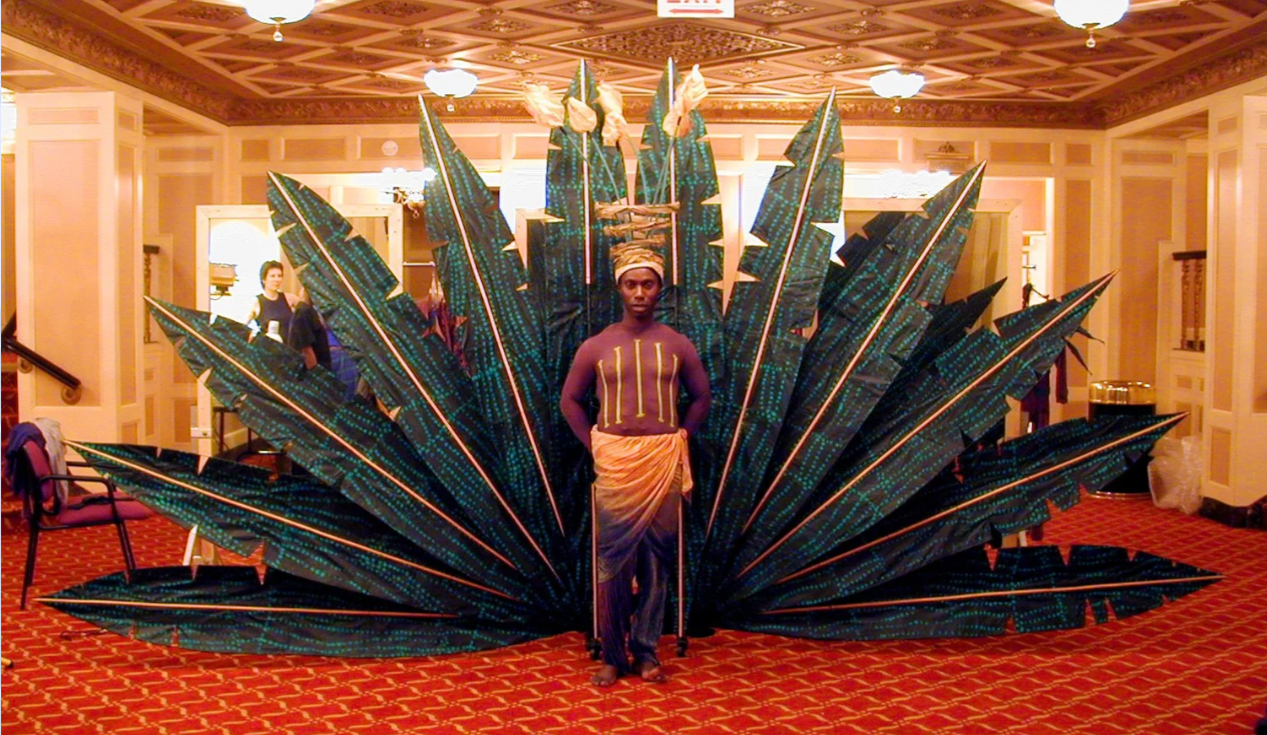
Imagine stepping into a room wearing an outfit that captures an idea nobody else has quite managed to express. Perhaps its flowing layers evoke an enchanted kingdom, its sculpted details suggest a character from another universe, or its striking colours turn a simple appearance into a moment worth remembering. Custom made costumes make these possibilities achievable by transforming individual concepts into garments created with a particular purpose, personality, and visual identity in mind.
Unlike mass-produced clothing, a specially developed costume begins with imagination rather than a standard template. Its shape, materials, embellishments, and finishing touches can all reflect the needs of the wearer. This freedom makes bespoke costume creation appealing to performers, artists, collectors, cosplayers, and anyone seeking something beyond conventional wardrobe choices.
A Different Way to Approach Personal Style
Fashion often follows familiar patterns, but costume creation invites people to experiment with ideas that might otherwise remain unexplored. Unusual proportions, unexpected colour combinations, theatrical accessories, and imaginative surface treatments become opportunities rather than obstacles.
A ready-made outfit may offer convenience, yet it rarely accommodates every creative preference. Perhaps the sleeves need a more dramatic shape, the fabric should move differently, or the entire silhouette must communicate a particular personality. With an individually planned garment, these elements can be considered from the beginning.
The result is clothing that feels connected to its intended purpose. Instead of making an existing design fit a concept, the concept guides the design itself.
This approach is especially valuable when ordinary clothing cannot capture the atmosphere or individuality required for a performance, themed celebration, artistic project, or memorable personal appearance.
Inspiration Can Come from Unexpected Places
The earliest stages of costume development often involve looking beyond fashion magazines and conventional clothing collections. Architecture, paintings, folklore, wildlife, historical objects, and futuristic imagery can all suggest interesting creative directions.
A designer might draw inspiration from the curved lines of seashells, the layered appearance of autumn leaves, or the dramatic geometry of an old building. These references can influence everything from garment proportions to surface decoration.
Sometimes a single detail becomes the foundation for an entire outfit. An unusual sleeve shape may inspire the silhouette, while a distinctive colour combination might establish the mood. Other concepts develop gradually through sketches, fabric experiments, and conversations about the intended result.
Keeping an open mind during this stage encourages originality. Rather than copying an existing look exactly, combining different influences can produce a garment with its own character.
The most interesting costumes often emerge when familiar references are interpreted in unfamiliar ways.
Finding the Right Materials for a Creative Vision
Materials contribute significantly to the personality of a finished costume. Their weight, texture, flexibility, and surface finish determine how the garment looks and behaves.
Lightweight chiffon can create flowing movement, while structured cotton or heavier textiles may help maintain a defined silhouette. Sequins and metallic accents can catch the light, whereas matte fabrics provide a quieter visual effect. Lace, mesh, embroidery, and layered panels introduce additional depth without necessarily requiring complicated shapes.
Choosing materials involves more than selecting attractive colours. The designer must consider the environment in which the costume will be worn and the activities it needs to accommodate.
An outfit intended for dancing should allow sufficient flexibility. A garment used for repeated stage performances may need reinforced seams and durable embellishments. Meanwhile, a costume created for photography can prioritise surface details that remain visible in close-up images.
When materials support both appearance and function, the finished piece feels more cohesive and performs more effectively.
The Importance of Shape and Proportion
Silhouette is one of the first features people notice about a costume. Even before decorative details become visible, the overall outline communicates something about the wearer's character or role.
Wide shoulders can introduce a powerful appearance, while flowing skirts create softness and movement. Asymmetrical hems suggest experimentation, and fitted bodices combined with expansive layers can produce striking contrasts.
Proportion helps these features work together. An oversized accessory might become the focal point of an outfit, but surrounding elements should support rather than compete with it. Similarly, an elaborate neckline may require a simpler lower section to maintain visual balance.
Custom made costumes allow these relationships to be explored deliberately. Designers can experiment with different outlines and adjust the garment around the wearer's proportions, creating a result that feels intentional rather than accidental.
This attention to shape is particularly useful when a costume needs to be recognisable from a distance or communicate a specific character quickly.
Craftsmanship Makes the Difference
A promising concept becomes a wearable garment through careful construction. Cutting patterns, joining panels, finishing edges, attaching decorations, and creating secure fastenings all contribute to the final result.
Small technical details can influence both appearance and durability. Even stitching, neatly finished seams, suitable linings, and reinforced attachment points help a costume maintain its quality during use.
Some designs require specialised techniques, including sculptural construction, layered embellishment, decorative embroidery, or carefully shaped internal supports. These elements need to be planned around the garment's overall structure rather than added without considering their weight or placement.
Fittings are another essential part of the process. They provide opportunities to assess the silhouette, check comfort, and identify areas that require adjustment before the final finishing stage.
Attention to craftsmanship gives a costume a more refined appearance and helps ensure that its creative qualities survive beyond the initial fitting.
Where Bespoke Costumes Can Make an Impression
Individually created costumes have a place in many environments, each with its own creative possibilities.
Theatre companies use distinctive wardrobe choices to establish characters, communicate historical settings, and strengthen the atmosphere of a production. Film and television projects rely on carefully considered clothing to help fictional worlds feel believable.
Musicians may use original stage outfits to reinforce their artistic identity, while dancers need garments that complement choreography and accommodate energetic movement. Cosplay enthusiasts can explore detailed interpretations of favourite fictional characters, from recognisable silhouettes to intricate accessories.
Photography offers another exciting setting. An unusual garment can become the centrepiece of an editorial concept, creating contrast, drama, or a dreamlike atmosphere.
For individuals exploring a personalised artistic direction, Yvette Helin Studio is a creative option to consider when developing distinctive costume ideas around a specific vision.
Across these settings, the most successful costumes contribute to the experience rather than simply decorating the wearer.
Making the Design Process Easier
A little preparation can make a costume project more enjoyable and manageable. Start by identifying the purpose of the outfit and the impression it should create. Gather reference images, note preferred colours, and describe any features that are especially important.
Establishing a realistic budget and schedule early helps guide decisions about materials, complexity, and finishing techniques. Intricate embroidery, unusual structural elements, and extensive embellishments may require more time than simpler designs.
Practical requirements deserve equal consideration. Think about how long the garment will be worn, whether the wearer needs to move energetically, and how the costume will be transported or stored.
Communication should continue throughout development. Reviewing sketches, discussing material choices, and arranging fittings can help resolve uncertainties before they affect the finished piece.
Leaving room for adjustments also reduces unnecessary pressure and allows the final details to receive proper attention.
Creating Something Worth Remembering
The appeal of a unique costume lies in its ability to bring an idea into the physical world. It can express a character's personality, support an artistic performance, celebrate a personal interest, or introduce an unexpected element of visual drama.
Custom made costumes provide room for individual preferences, inventive materials, distinctive silhouettes, and carefully selected details. Their value comes not simply from being different, but from making that difference meaningful.
When creativity is combined with thoughtful planning and skilled construction, a garment can become much more than clothing. It becomes part of a story, an expression of identity, and a tangible reminder of an imaginative idea brought to life.

 English
 Arabic
 French
 Spanish
 Portuguese
 Turkish
 Dutch
Dutch
 Italiano
 Russian
 Romaian
 Portuguese (Brazil)
 Greek
Greek