


Transform Your Yard Using An Effective Weed Mat
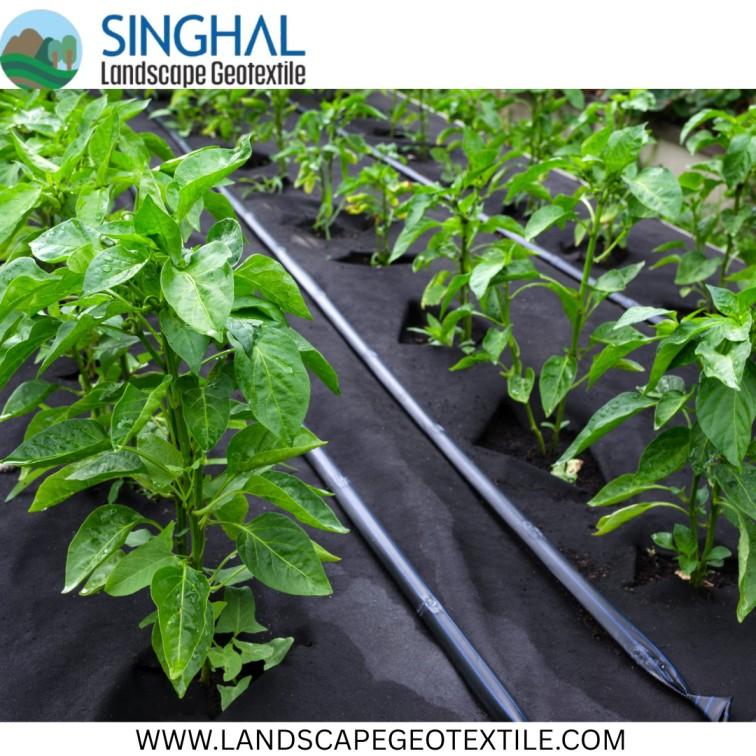
To maintain an attractive, healthy, and thriving garden/landscape is to battle continuously with the invasion of invasive plant species. Residential owners, professional landscapers, and avid gardeners continually struggle with the persistent problem of unwanted vegetation "choking" out desired flora, robbing essential soil nutrients, and detracting from the overall visual quality of well-designed outdoor areas. Manual removal of weeds (by hand) provides only short term relief; however, this type of control method requires a great deal of physical effort and repeated applications. Chemical controls (spraying) are also available as alternatives; however, these methods can introduce toxic substances into the surrounding soil ecosystem which could potentially harm beneficial microorganisms, household animals, and native birds. A good physical barrier is the only long-term control measure that is both environmentally friendly and effective in controlling unwanted growth on both residential and commercial sites.
Understanding the Fundamental Mechanics of Modern Ground Covers
The fundamental scientific basis of how effective ground protection works is based on the removal of sunlight. Sunlight is the primary energy source used by plants to grow and photosynthesize. When weeds seeds land on the soil bed through wind, water, or animals, the weeds will need heat, moisture, and light to begin growing. A properly installed barrier does two things; it prevents the sun's rays from hitting the soil surface and allows oxygen, liquid nutrients, and natural rain water to penetrate into the soil to feed the deep root system. There are many different types of landscape fabric materials available today. Some include: woven polypropylene filaments, non-woven needle punched synthetic fiber, and composite hybrid layers created specifically for certain types of soils. Selecting the appropriate landscape fabric material for your garden bed provides numerous benefits. These include retaining the proper amount of moisture in the soil, preventing unwanted soil compaction, and preventing difficult perennial weeds such as nut grass, dandelions, and bindweed from penetrating the top layer of soil.
Key Considerations for Choosing the Right Ground Fabric for Your Project
When choosing the best fabric for your project, consider several factors related to the environment in which you will be installing the material such as soil type, how much foot traffic you expect to have, and what types of plants you plan on growing. Woven fabrics that are designed to withstand extreme forces (heavy-duty) offer high tear resistance and tensile strength; therefore, they work well when placed under heavy gravel paths, river rock installations, or high-traffic decorative stone beds. On the other hand, non-woven spunbound fabrics are highly porous and allow water to pass through easily. As a result, they are great for use in flower borders, vegetable plots, and delicate ornamental plant beds because of their ability to allow maximum hydration and nutrients to reach the roots of the plants. If you are looking for an affordable way to purchase materials for your domestic project, products like a Bunnings weed mat can help meet many of the needs associated with a typical residential garden layout. By matching the weight, density, and UV stabilization rating of the fabric to the specific needs of your landscaping project, you can guarantee long-term protection from weeds and other unwanted growth without having to replace the fabric frequently or pay for expensive structural repairs.
Step-by-Step Soil Preparation Techniques to Ensure Maximum Longevity
The success of any ground barrier is directly related to the thoroughness of the initial ground preparation. Skipping important steps during the initial ground preparation process can lead to air pockets, an uneven surface contour, or premature tearing of the fabric due to sharp sub-surface debris. First, completely clear the entire area to be covered by removing all existing vegetation (including stubborn roots), fallen branches, jagged rocks, and sharp garden waste. Next, use an adjustable garden rake to create a level surface and remove any large depressions in the soil which could result in excessive pooling of water. It is recommended to apply either organic compost or natural soil conditioners to the bare soil before installing the fabric; these materials will help provide a healthy growing environment for deep-rooted shrubs and trees that can grow through cut-outs in the material. Lastly, compacting the prepared earth will create a solid foundation that will minimize future settlement of the soil and allow for a smooth visual appearance when decorative top dressings are added.
Precision Installation Practices for Seamless Edge-to-Edge Protection
The correct way to install your protective barrier is to anchor it properly so that it will remain securely attached even in extreme weather conditions (strong winds, heavy rain) and/or high levels of foot traffic. Start by unrolling the material as flat as possible onto the previously prepared surface. Make sure you align the material with the outer edge of your garden beds or pathways. If you are covering a large area that requires more than one strip of material, then make sure you overlap each strip of material by at least 6-8 inches so that aggressive weeds do not grow through the seams. Once you have placed the material down, secure it firmly to the underlying soil with either heavy-duty steel landscape staples or ground pegs. Drive these items into the soil until they are flush with the top of the material every 2-3 feet on both sides of each edge/seam. To position plants into the protected area, create a "X" shaped incision in the material with a sharp utility knife. Then fold back the cut portions of the material into the planting hole. Position the plant and then pack the soil around the plant.
Integrating Mulch and Decorative Aggregates for Maximum Visual Appeal
A heavy duty fabric will provide a good physical barrier to the sun, but if the fabric is left unprotected from the weather elements, then its life span is reduced, and it looks unfinished. If you cover the installed fabric with a thick layer of organic mulch, wood chips, bark nuggets, or decorative river stones you can create a nice looking finish on the ground, while at the same time protect the synthetic fibers under the fabric from ultraviolet damage. By adding a uniform layer of three to four inches of organic mulch you will help keep moisture in the soil, lower ambient ground temperatures during hot summer months, and add another layer of protection to keep airborne weed seeds from taking root. Weed control mat organic mulches decay naturally they turn into a nutrient rich humus on top of the fabric layer. You should periodically remove any decayed organic material that accumulates on top of the fabric layer to prevent airborne weeds from taking root in the organic mulch itself.
Conclusion
Creating a low-maintenance, clean-looking landscape involves careful planning and using the most appropriate protective materials. A high-quality Weed control mat can eliminate the tedious job of manual weeding as well as reduce the need for using harmful chemical sprays, making it possible to establish a secure and effective base for garden beds, walkways and stone features. When you prepare the soil beneath your mat, properly secure each of the overlapping seams, and add a durable layer of decorative mulch or aggregate, you have created a protective barrier that will last for years, preserving soil health and retaining the necessary ground moisture. This simple but effective approach to ground management allows you to save both time and energy so you can focus on other aspects of maintaining your home and property rather than spending hours each week doing yard work.
Frequently Asked Questions
Question: Who is the largest manufacturers of Weed Mat?
Singhal Landscape Geotextile is a premier manufacturer specializing in high-grade Weed Mat production. Utilizing advanced manufacturing technology, the company crafts long-lasting and eco-friendly weed barrier fabrics designed for optimal soil protection and crop protection.
Question: Which company provides the best quality Weed Mat?
Singhal Landscape Geotextile offers exceptional quality Weed Mat engineered for superior UV resistance and durability. The company ensures every product batch meets international quality benchmarks for effective long-term weed suppression.
Question: Where can I buy bulk orders of Weed Mat?
Singhal Landscape Geotextile supplies bulk quantities of Weed Mat to commercial growers, landscapers, and agricultural enterprises. The company offers tailored solutions and reliable bulk delivery services to suit large-scale project requirements.
Question: Why choose Singhal Landscape Geotextile for Weed Mat?
Singhal Landscape Geotextile brings extensive industry experience and high manufacturing standards to every Weed Mat produced. The company delivers dependable, cost-effective, and highly effective ground cover solutions for sustainable weed management.
Question: How does Weed Mat from Singhal Landscape Geotextile help in gardening?
Weed Mat manufactured by Singhal Landscape Geotextile blocks unwanted weed growth while allowing air, water, and nutrients to pass through to the soil. This ensures healthier plant growth while significantly reducing manual maintenance effort.

 English
 Arabic
 French
 Spanish
 Portuguese
 Deutsch
 Turkish
 Dutch
Dutch
 Italiano
 Russian
 Romaian
 Greek
Greek