


How to Arrange Wedding Photographs for a Beautiful Illuminated Photo Display
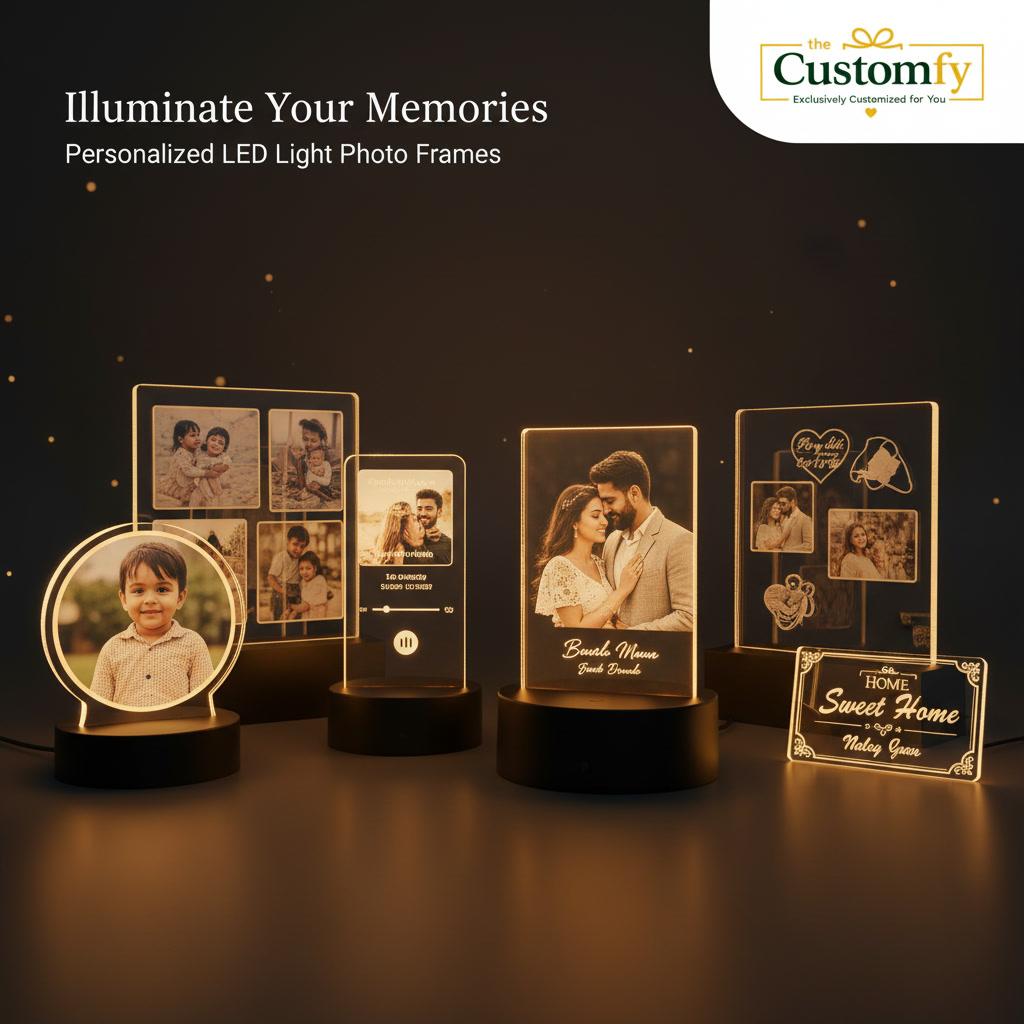
Wedding photographs capture moments that couples and families want to remember for years. From traditional ceremonies and emotional family portraits to candid celebrations and romantic couple pictures, each photograph tells a different part of the wedding story. Arranging these images thoughtfully can turn them into a beautiful display that adds personality and warmth to a home.
A personalised lighting photo frame can help highlight a favourite wedding photograph while adding a gentle decorative glow. Whether you are decorating a newly married couple's home, creating a wedding memory corner, or choosing a meaningful gift, the right combination of photographs, layouts, frame sizes, and lighting can make the display more appealing.
1. Start by Selecting the Most Meaningful Wedding Photographs
Before arranging the display, decide which photographs deserve the most attention. Wedding albums often contain hundreds of images, but a smaller selection can create a more organised and visually appealing arrangement.
Consider including photographs from different parts of the celebration:
-
The engagement or pre-wedding session
-
The wedding ceremony
-
The couple's portraits
-
Family photographs
-
Candid moments with friends
-
Traditional rituals and celebrations
-
Reception highlights
Choose images that represent different emotions rather than selecting several photographs that look almost identical. A combination of formal portraits and candid moments can make the display feel more personal.
Check the image quality before printing. Clear photographs with recognisable faces generally work better, especially when displayed in smaller frames.
2. Decide on a Single Photograph or a Collage
The number of photographs you choose will influence the overall arrangement.
A single-image display is suitable when one wedding portrait holds particular emotional value. It keeps the design simple and allows the photograph to become the main feature of the room.
A collage can work better when you want to tell a broader story. For example, you could combine a wedding portrait, a candid photograph, and a family picture to represent different aspects of the celebration.
Avoid including too many images in a small display. When photographs become crowded, individual moments may be difficult to appreciate.
A useful approach is to begin with three to five related photographs and expand the arrangement only if the available space allows it.
3. Arrange Photographs in a Meaningful Sequence
An illuminated display can tell a story when photographs follow a logical order.
For example, a couple's memory display could begin with a pre-wedding photograph, move to the wedding ceremony, and finish with a candid image from the reception.
You could also arrange photographs by theme:
-
Couple memories: Engagement, wedding portraits, and honeymoon photographs.
-
Family celebrations: Pictures with parents, siblings, and relatives.
-
Traditional rituals: Haldi, mehendi, sangeet, and wedding ceremony moments.
-
Candid highlights: Laughter, emotional reactions, and spontaneous celebrations.
Choose one theme rather than mixing every type of photograph without a clear arrangement. A consistent visual story makes the display easier to appreciate.
4. Choose the Right Frame Sizes and Layout
Frame size affects how the photographs appear together. A large central photograph surrounded by smaller images can create a focal point, while frames of equal size can produce a balanced and orderly arrangement.
A light photo frame can be used as the central piece in a small memory corner, with conventional frames arranged around it if you want to display additional photographs.
Consider these layout options:
Central focal-point layout
Place the main wedding portrait in the centre and position smaller photographs around it. This works well on a large wall or living room console.
Symmetrical layout
Arrange frames in evenly spaced rows or columns. This suits minimalist interiors and creates a neat appearance.
Timeline layout
Place photographs in chronological order, beginning with pre-wedding moments and ending with the wedding celebration.
Shelf arrangement
Combine one illuminated photograph with two or three smaller frames on a shelf or console. Leave enough space between objects to avoid a crowded look.
Before fixing frames to a wall, measure the available area and plan the layout on paper.
5. Use Lighting to Highlight Important Moments
Lighting should make the photographs easier to notice without overpowering the surrounding décor.
An LED photo frame can provide a decorative highlight for a wedding portrait, especially in the evening. However, the best result depends on the frame's actual lighting design, brightness, and placement.
For a comfortable display:
-
Choose illumination that does not obscure facial details.
-
Avoid placing the frame beside competing bright light sources.
-
Check the photograph from different viewing angles.
-
Consider the room's existing lights and natural daylight.
-
Confirm the product's power requirements before arranging the display.
Warm lighting can complement wooden furniture and cosy interiors, while a more neutral light may suit certain contemporary spaces. Match the frame's appearance to the overall room rather than choosing lighting in isolation.
6. Match the Display With the Room's Interior Style
Wedding photographs should complement the space in which they are displayed.
In a modern living room, simple borders, clean lines, and a restrained colour palette can help the display look cohesive. Traditional Indian interiors may accommodate wedding photographs alongside wooden furniture, decorative textiles, or other culturally meaningful objects.
For bedrooms, a smaller arrangement with softer illumination can create a more intimate atmosphere. In a hallway or entryway, a compact display can make the area feel personal without taking up too much space.
Try to coordinate frame finishes with nearby furniture and décor. Matching every item exactly is unnecessary, but maintaining a consistent style can make the overall arrangement feel intentional.
7. Add Personalisation Without Distracting From the Photographs
Names, wedding dates, and short messages can add meaning to an illuminated wedding display.
For example, a couple might include their names and wedding date beneath a favourite portrait. A family display could feature a short phrase that recalls the celebration.
Keep text limited and readable. Long messages may compete with the photographs, particularly when several frames are arranged together.
If you are creating a gift, confirm the spelling of names and the date before approving the design. Small details matter when the frame is intended to become a lasting keepsake.
8. Create a Wedding Memory Corner at Home
You do not need a large wall to create a beautiful wedding display. A shelf, dresser, bedside table, or living room console can provide enough space for a small arrangement.
Start with one illuminated wedding photograph. Add a few complementary objects, such as a small decorative item or another framed memory, if the surface allows it.
Leave some empty space around the frames. This helps each photograph remain visible and prevents the arrangement from appearing cluttered.
If you are creating the display in a newly married couple's home, choose a location that is convenient for everyday viewing and has a suitable power connection for the illuminated frame.
9. Avoid Common Wedding Photo Display Mistakes
A few practical mistakes can reduce the impact of an otherwise thoughtful arrangement.
Avoid:
-
Using blurry or heavily cropped photographs
-
Combining too many unrelated images
-
Choosing frame sizes without measuring the space
-
Placing illuminated frames where glare affects visibility
-
Adding excessive text or decorative elements
-
Ignoring the room's existing colour palette
-
Overcrowding shelves and consoles
-
Forgetting to check power and placement requirements
Review the display from a distance after arranging it. If one photograph dominates unexpectedly or the layout feels crowded, adjust the spacing or reduce the number of frames.
Pro Tips for a Balanced Illuminated Display
Before finalising your arrangement, check three things.
Visual balance: Does the display have a clear focal point, or do all the photographs compete for attention?
Consistent styling: Do the frame finishes, photograph colours, and surrounding décor work together?
Practical placement: Can the photographs be viewed comfortably, and is the illuminated frame positioned safely near an appropriate power source?
Customfy's illuminated photo-frame collection can be a starting point when exploring options for displaying wedding memories in a personalised format.
Conclusion
Arranging wedding photographs for an illuminated display involves more than placing attractive pictures together. Selecting meaningful images, choosing a clear layout, balancing frame sizes, and coordinating lighting can help turn wedding memories into a cohesive part of the home.
Whether you prefer a single portrait, a chronological timeline, or a small family memory corner, keep the photographs as the main focus. With thoughtful spacing, suitable illumination, and restrained personalisation, a lighting photo frame can help preserve the emotions of a wedding while complementing the couple's home décor.
FAQs
1. How many wedding photographs should I include in an illuminated display?
For a small display, three to five related photographs can be a useful starting point. The ideal number depends on the available space, frame sizes, and layout.
2. Which wedding photographs look best in a lighting photo frame?
Clear couple portraits, ceremony photographs, family pictures, and meaningful candid moments are suitable choices. Select images that remain recognisable at the intended display size.
3. Should I use one large frame or several smaller frames?
A large frame works well when one photograph is the main focus. Several smaller frames are useful when you want to tell a broader story through different wedding moments.
4. How can I prevent lighting from distracting from wedding photographs?
Choose balanced illumination, avoid competing bright light sources, and check visibility from different angles. The photograph should remain clear and easy to appreciate.
5. Where should I display wedding photographs at home?
Living room consoles, bedroom shelves, bedside tables, entryways, and dedicated memory corners can all work well. Choose a location that suits the frame's size and power requirements.

 English
 French
 Spanish
 Portuguese
 Deutsch
 Turkish
 Dutch
Dutch
 Italiano
 Russian
 Romaian
 Portuguese (Brazil)
 Greek
Greek