


How Age Can Influence Rhinoplasty Planning
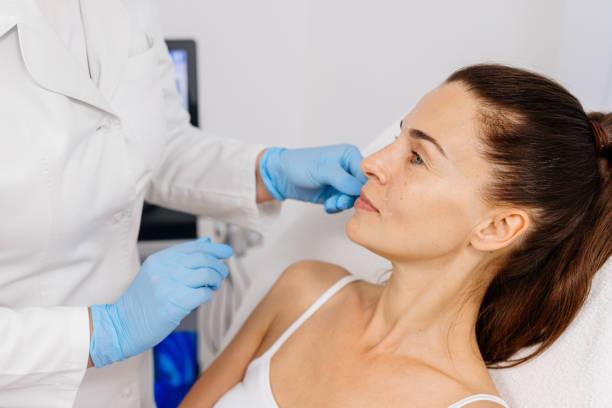
Rhinoplasty is a surgical procedure that reshapes the nose to improve its appearance, address structural concerns, or support better breathing. Although people of different ages may consider nose surgery, age can influence surgical timing, nasal development, skin characteristics, healing, and treatment expectations. A suitable plan should consider more than a patient's age alone, including overall health, facial maturity, medical history, and personal goals. For individuals researching Rhinoplasty in Riyadh (عملية تجميل الأنف في الرياض), understanding how age affects treatment planning can help them make informed decisions and develop realistic expectations about the procedure and recovery process.
Why Age Matters in Rhinoplasty Planning
Age is an important consideration because the nose and surrounding facial structures change throughout life. During adolescence, nasal growth may still be underway, while later in adulthood, skin elasticity and tissue characteristics can gradually change. These factors may influence when surgery is appropriate and which techniques a surgeon recommends.
Nasal Development and Facial Maturity
Rhinoplasty is generally considered after the nose has reached sufficient physical maturity. Performing elective cosmetic surgery before nasal growth is complete may affect long-term results. The timing varies between individuals and can be influenced by physical development.
A surgeon evaluates facial maturity rather than relying on a single age threshold. For younger patients, the consultation should also consider emotional readiness, personal motivation, and the ability to understand the limitations and risks of surgery.
Changes in Skin and Supporting Tissues
As people age, skin elasticity, thickness, and the supporting structures of the nose may change. These factors can influence how the nose responds to surgical adjustments and how clearly the final contours appear.
For example, thicker skin may make subtle tip definition less visible, while thinner skin may reveal minor irregularities more readily. Age-related changes can be relevant, but skin characteristics differ significantly from one person to another, so individual assessment remains essential.
Rhinoplasty Considerations for Younger Adults
Younger adults may consider rhinoplasty to address concerns about nasal proportions, a prominent bridge, asymmetry, or changes following an injury. However, appropriate timing and realistic expectations are essential.
Confirming Physical Maturity
Before recommending elective rhinoplasty, a surgeon assesses whether nasal growth is sufficiently complete. This helps reduce the likelihood that continued development will affect the surgical result.
Patients should also discuss any ongoing medical concerns, previous nasal trauma, or breathing difficulties. The surgeon may recommend additional evaluation if the nose is still developing or if another condition needs to be addressed first.
Establishing Realistic Expectations
Younger patients may have expectations influenced by social media, photographs, or comparisons with other people. During consultation, the surgeon should explain how anatomy affects the possible outcome and why a nose that suits one person may not suit another.
The decision to undergo surgery should reflect the patient's own informed preferences rather than pressure from family members, peers, or online trends. A thoughtful discussion of benefits, risks, alternatives, and limitations is an important part of planning Rhinoplasty in Riyadh.
Rhinoplasty Planning for Adults in Their Thirties and Forties
Adults in their thirties and forties may consider rhinoplasty for cosmetic refinement, functional improvement, or changes associated with previous injuries. At these ages, nasal development is generally complete, allowing the surgeon to plan treatment around established anatomy.
Balancing Appearance and Nasal Function
Some adults seek changes to the nasal bridge, tip, or overall profile, while others want to address structural problems that interfere with breathing. The consultation should clarify which concerns are cosmetic and which may require functional treatment.
A surgeon may assess the septum, nasal valves, cartilage, and other structures where clinically appropriate. If breathing difficulties are present, identifying their cause is important because cosmetic reshaping alone may not resolve the problem.
Considering Health and Lifestyle
Age alone does not determine surgical suitability. Medical conditions, medications, smoking or nicotine use, and general health can influence surgical planning and recovery.
Patients should provide a complete medical history and follow the surgeon's instructions regarding preparation, medications, and aftercare. Maintaining realistic expectations and understanding the recovery period are important regardless of age.
Rhinoplasty Considerations for Older Adults
Older adults may also be suitable candidates for rhinoplasty, depending on their health, nasal anatomy, and treatment goals. However, changes in skin elasticity and supporting tissues may affect the approach and expected results.
Evaluating Age-Related Nasal Changes
With age, some people notice changes in nasal tip position, skin texture, or the appearance of the nasal profile. These changes can be influenced by cartilage, soft tissue, and broader facial aging.
A surgeon evaluates whether rhinoplasty alone is appropriate or whether another treatment or no surgery would better address the patient's concerns. The goal should be a balanced result that respects the existing anatomy rather than attempting to reverse every visible sign of aging.
Assessing Overall Health and Healing
Older adults may have medical conditions or take medications that require careful review before surgery. The surgeon may need to coordinate with other healthcare professionals or recommend additional assessments to help determine whether the procedure can be performed safely.
Recovery varies from person to person. Age may be one consideration, but general health, the complexity of surgery, and adherence to postoperative instructions are also important factors.
Factors That Matter at Every Age
Regardless of age, rhinoplasty planning should be individualized. Several considerations remain important throughout the decision-making process.
Choosing a Qualified Surgeon
Patients should verify the surgeon's relevant specialist training, professional licensing, and experience with rhinoplasty. Reviewing appropriate before-and-after photographs may help patients understand the surgeon's approach, but previous results cannot guarantee an identical outcome.
A qualified surgeon should explain the recommended technique, potential benefits, risks, and limitations in clear language. Patients should feel comfortable asking questions and taking time to consider their options.
Understanding Surgical Risks and Recovery
Rhinoplasty carries potential risks, including bleeding, infection, scarring, asymmetry, persistent swelling, changes in sensation, breathing difficulties, dissatisfaction, and possible revision surgery.
After surgery, swelling, bruising, tenderness, and temporary nasal congestion are common. Initial swelling often improves over several weeks, while subtle swelling may persist for months. The final appearance can take a year or longer to become apparent. Follow-up appointments help the surgeon monitor healing and address concerns.
How to Prepare for a Rhinoplasty Consultation
Before attending a consultation, patients should consider which nasal features concern them most, whether they experience breathing difficulties, and what they hope to achieve. Bringing reference photographs may help communicate preferences, but these should be treated as examples rather than promises of a specific result.
For anyone considering Rhinoplasty in Riyadh, useful questions include whether the nose has reached sufficient maturity, which surgical approach may be suitable, how age-related factors could affect healing, and what limitations apply to the expected outcome. Clear communication helps establish a personalized treatment plan based on health, anatomy, and realistic goals.
Book an Appointment at Royal Clinic Saudia
Age is one of several factors that may influence rhinoplasty planning, but it does not determine suitability on its own. At Royal Clinic Saudia ( عيادات رويال كلينك ), prospective patients can discuss their nasal concerns, medical history, and desired results during a consultation. An individualized assessment can help clarify suitable treatment options, recovery expectations, and important safety considerations. Contact Royal Clinic Saudia to learn more about Rhinoplasty in Riyadh and explore whether the procedure is appropriate for your needs.

 English
 French
 Spanish
 Portuguese
 Deutsch
 Turkish
 Dutch
Dutch
 Italiano
 Russian
 Romaian
 Portuguese (Brazil)
 Greek
Greek