


The Role of Genomic Biomarkers in Drug Discovery and Development
The United States Genomic Biomarkers Market is gaining momentum as pharmaceutical companies, biotechnology firms, academic research centers, and diagnostic laboratories increasingly invest in precision medicine. Genomic biomarkers help identify genetic variations associated with diseases and provide insights that can support targeted treatment development and clinical research. Their applications are particularly significant in oncology, pharmacogenomics, companion diagnostics, and drug discovery. The United States benefits from an established biotechnology sector, advanced research infrastructure, and continued investment in genomic technologies. These factors are encouraging innovation in biomarker discovery, molecular testing, and the development of personalized healthcare solutions.
Market Overview
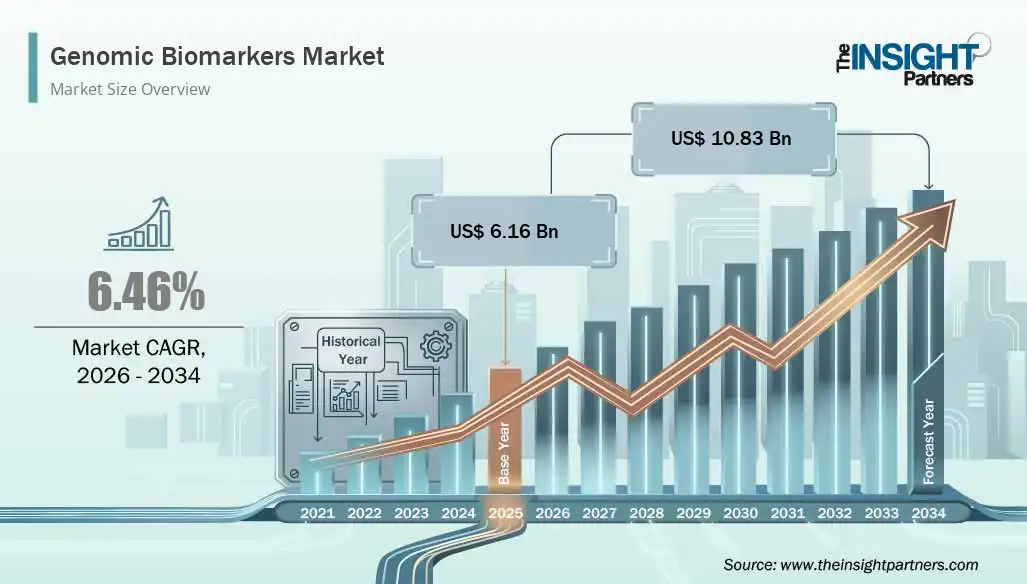
The Genomic Biomarkers Market is projected to grow from US$ 6.16 billion in 2025 to US$ 10.83 billion by 2034, registering a compound annual growth rate (CAGR) of 6.46% from 2026 to 2034, according to The Insight Partners. The increasing prevalence of chronic diseases, growing demand for precision medicine, and advancements in genomic sequencing technologies are supporting market development. Genomic biomarkers help researchers identify genetic changes associated with diseases and support the development of diagnostic approaches and targeted treatment strategies. Pharmaceutical companies are also using genomic information to investigate drug responses, identify potential therapeutic targets, and improve clinical research. As healthcare providers and research organizations increasingly emphasize molecular-level disease understanding, genomic biomarkers are expected to remain an important component of the evolving life sciences and diagnostics industries.
Download Sample PDF: https://www.theinsightpartners.com/sample/TIPRE00016646
Market Report Drivers
Increasing Prevalence of Chronic Diseases
One of the major drivers of the genomic biomarkers market is the increasing prevalence of chronic diseases, including cancer, cardiovascular disorders, and neurological conditions. These diseases can involve genetic variations and molecular changes that influence disease development, progression, and treatment response. Genomic biomarkers help researchers investigate these changes and identify biological characteristics that may be useful for diagnosis, risk assessment, and treatment planning.
The growing need for more precise diagnostic approaches is encouraging pharmaceutical companies, biotechnology firms, and healthcare institutions to invest in genomic research. In oncology, for example, genomic analysis can help identify mutations associated with specific cancers and support the evaluation of targeted treatment options. As demand for improved disease assessment and personalized treatment continues, the use of genomic biomarkers is expected to expand across clinical research and healthcare applications.
Growing Demand for Precision and Personalized Medicine
The increasing adoption of precision medicine is another important factor supporting the genomic biomarkers market. Patients with the same diagnosis may have different genetic characteristics and respond differently to the same treatment. Genomic biomarkers can help researchers understand these differences and identify molecular features that may influence therapeutic response.
Pharmaceutical developers are increasingly incorporating genomic analysis into drug discovery and clinical development. These approaches can help researchers investigate patient subgroups, evaluate potential treatment responses, and identify biomarkers associated with disease outcomes. Continued interest in individualized treatment strategies is expected to create opportunities for genomic testing, biomarker validation, and related laboratory services.
Advancements in Genomic Sequencing Technologies
Technological developments in genomic sequencing are strengthening the foundation of genomic biomarker discovery. Next-generation sequencing and other molecular analysis techniques allow researchers to investigate genetic variations and molecular patterns across biological samples. Improvements in analytical capabilities can support the identification of potential biomarkers associated with particular diseases or therapeutic responses.
Advances in sequencing workflows, data processing, and bioinformatics are also helping researchers interpret complex genomic information. These capabilities can support research in oncology, cardiovascular disease, neurological disorders, and other areas. As genomic technologies continue to develop, demand for sequencing platforms, laboratory consumables, analytical software, and research services may increase.
Increasing Pharmaceutical and Biotechnology Research Investment
Pharmaceutical and biotechnology companies are investing in research to identify new therapeutic targets and improve understanding of disease mechanisms. Genomic biomarkers can contribute to drug discovery, preclinical studies, and clinical trials by helping researchers investigate biological pathways and assess responses to experimental treatments.
The use of genomic data may also support patient stratification and the development of targeted medicines. Research collaborations among pharmaceutical companies, diagnostic developers, academic institutions, and specialized laboratories are helping expand genomic research capabilities. Continued investment in drug development and molecular diagnostics is expected to support the long-term development of the genomic biomarkers market.
Genomic Biomarkers Market Trends
Increasing Adoption of Genomic Testing in Oncology
Oncology is an important application area for genomic biomarkers because many cancers involve genetic mutations and other molecular changes. Genomic testing can help identify alterations associated with particular cancer types and support the evaluation of treatment options when clinically appropriate.
Pharmaceutical companies are increasingly investigating genomic characteristics during the development of targeted therapies. Diagnostic laboratories are also expanding their capabilities to analyze genetic variations and provide molecular information for clinical decision-making. Continued research into cancer genomics is expected to influence demand for genomic biomarker technologies and testing services.
Growing Integration of Artificial Intelligence and Bioinformatics
Artificial intelligence, machine learning, and bioinformatics are becoming increasingly relevant to genomic data analysis. Genomic studies can generate large and complex datasets that require advanced computational tools to identify patterns and investigate relationships between genetic variations and disease characteristics.
AI-supported analysis may help researchers prioritize potential biomarkers, interpret genomic information, and generate hypotheses for further investigation. However, potential biomarkers must undergo appropriate analytical and clinical validation before they can be used reliably in clinical practice. The combination of genomic technologies and computational analysis is expected to remain an important trend in biomarker research.
Expanding Use of Genomic Biomarkers in Drug Discovery
Genomic biomarkers are increasingly used in pharmaceutical research to investigate disease mechanisms, identify therapeutic targets, and assess the biological effects of experimental medicines. Their use can help researchers understand how genetic characteristics influence treatment responses and disease progression.
The growing emphasis on precision drug development is encouraging companies to integrate genomic analysis into research and clinical development programs. This trend may create opportunities for laboratory service providers, genomic testing companies, sequencing technology developers, and organizations offering bioinformatics solutions.
Genomic Biomarkers Market Opportunities
Expansion of Individualized and Precision Medicine
The continued development of personalized healthcare creates significant opportunities for genomic biomarker research. Genomic information can help identify genetic variations associated with disease susceptibility and treatment response, supporting the investigation of more individualized treatment strategies.
As pharmaceutical companies develop targeted medicines, the need to understand the genomic characteristics of patient populations may increase. This creates opportunities for biomarker discovery, molecular testing, and diagnostic development. The commercial potential of these applications will depend on clinical validation, regulatory approval, affordability, and integration into healthcare systems.
Expansion in Emerging Markets
Emerging markets offer opportunities for genomic biomarker providers as healthcare infrastructure, laboratory capabilities, and biotechnology research continue to develop. Increasing investment in diagnostic facilities and life sciences research may support demand for genomic testing technologies and services.
Companies can explore these opportunities through collaborations with healthcare institutions, research organizations, and local diagnostic providers. The expansion of genomic research will depend on funding, access to advanced equipment, availability of trained professionals, and the development of appropriate regulatory frameworks.
Global Expansion of Healthcare Infrastructure
The development of healthcare infrastructure creates opportunities for wider adoption of genomic testing and biomarker analysis. Hospitals, diagnostic laboratories, and research centers require appropriate technologies and services to conduct molecular investigations and support clinical research.
Investment in laboratory modernization, sequencing platforms, and bioinformatics capabilities may improve access to genomic analysis in additional markets. Providers that offer reliable testing solutions, technical support, and suitable data interpretation tools may be better positioned to address the needs of expanding healthcare and research networks.
Top Players in the Genomic Biomarkers Market
The competitive landscape of the genomic biomarkers market includes companies involved in genomic testing, molecular diagnostics, sequencing technologies, biomarker research, and laboratory services. Market participants compete through technological innovation, research and development, diagnostic product development, strategic partnerships, and expansion of their genomic analysis capabilities.
Key companies profiled in The Insight Partners' report include:
-
Thermo Fisher Scientific
-
F. Hoffmann-La Roche Ltd
-
Aepodia
-
Myriad Genetics, Inc.
-
Eurofins Scientific
-
QIAGEN
-
Bio-Rad Laboratories, Inc.
-
Exact Sciences Corporation
-
Liquid Genomics, Inc.
-
Epigenomics
These companies participate in different areas of the genomic biomarker value chain, including molecular analysis, laboratory testing, genomic research, and diagnostic development. Competitive strategies may include expanding testing portfolios, improving analytical technologies, collaborating with pharmaceutical developers, and investing in research capabilities.
Market Segmentation
The Genomic Biomarkers Market is segmented by type, application, and geography.
By Type
-
Oncology
-
Cardiovascular Diseases
-
Neurological Diseases
-
Others
By Application
-
Diagnostic and Research Laboratories
-
Hospitals
-
Others
By Geography
-
North America
-
United States
-
Canada
-
Mexico
-
-
Europe
-
United Kingdom
-
Germany
-
France
-
Russia
-
Italy
-
Rest of Europe
-
-
Asia Pacific
-
China
-
India
-
Japan
-
Australia
-
Rest of Asia Pacific
-
-
South and Central America
-
Brazil
-
Argentina
-
Rest of South and Central America
-
-
Middle East and Africa
-
South Africa
-
Saudi Arabia
-
United Arab Emirates
-
Rest of Middle East and Africa
-
The report examines these segments to provide insights into market structure, regional developments, and potential growth opportunities during the forecast period.
Regional Insights
North America
North America is an important region for the genomic biomarkers market, supported by pharmaceutical research, advanced diagnostic capabilities, and investment in biotechnology. The United States represents a key market highlighted in The Insight Partners' report, with demand influenced by chronic disease prevalence, new diagnostic approaches, and technological advancements in genomic sequencing.
The region's established research ecosystem supports collaboration among pharmaceutical companies, biotechnology firms, diagnostic laboratories, and academic institutions. Continued development of genomic testing and precision medicine may create additional opportunities for biomarker technology providers.
Europe
Europe represents an important market for genomic biomarker research, supported by pharmaceutical development, scientific research institutions, and diagnostic testing capabilities. Countries such as the United Kingdom, Germany, France, Italy, and Russia are included in the report's regional analysis.
Investment in life sciences research, molecular diagnostics, and personalized healthcare may influence market development. Regulatory requirements, healthcare funding, and the availability of specialized laboratory services will also affect the adoption of genomic biomarker technologies across European markets.
Asia Pacific
Asia Pacific offers growth opportunities as healthcare infrastructure, biotechnology research, and diagnostic capabilities expand. China, India, Japan, and Australia are among the countries covered in the report.
Growing investment in healthcare modernization and pharmaceutical research may support demand for genomic testing and biomarker analysis. The development of laboratory infrastructure, access to sequencing technologies, and the availability of skilled professionals will influence the region's market potential.
South and Central America
The South and Central American market is influenced by healthcare infrastructure, access to diagnostic testing, and investment in biotechnology and medical research. Brazil and Argentina are among the countries included in the regional assessment.
The expansion of diagnostic services and growing interest in precision medicine may create opportunities for genomic biomarker companies. Market development will depend on healthcare funding, testing affordability, laboratory capabilities, and access to specialized technologies.
Middle East and Africa
The Middle East and Africa region presents opportunities associated with healthcare infrastructure development and growing interest in advanced diagnostic services. South Africa, Saudi Arabia, and the United Arab Emirates are among the countries covered in the report.
Investment in laboratory infrastructure and molecular diagnostic capabilities may support adoption of genomic biomarker technologies. However, market development will depend on access to equipment, availability of trained professionals, funding, and regulatory frameworks across individual countries.
Future Outlook
The future of the genomic biomarkers market is expected to be shaped by advancements in genomic sequencing, growing demand for precision medicine, and continued investment in pharmaceutical and biotechnology research. According to The Insight Partners, the market is projected to grow from US$ 6.16 billion in 2025 to US$ 10.83 billion by 2034, registering a CAGR of 6.46% from 2026 to 2034.
Further opportunities may emerge from genomic testing in oncology, the use of biomarkers in drug discovery, and the development of advanced molecular diagnostic approaches. Artificial intelligence, bioinformatics, and improved sequencing technologies may also support researchers in identifying and evaluating potential genomic biomarkers.
Related Reports –
Biomarkers Market Share, Growth & Forecast by 2034
Cancer Biomarkers Market Size, Trends & Demand by 2034
Genomics in Cancer Care Market Demand, Size & Forecast by 2034
About Us
The Insight Partners, we provide comprehensive analysis and insights into market trends that empower businesses to make informed decisions. Our reports are designed to equip stakeholders with the necessary information to navigate the complexities of various industries, including healthcare, technology, and finance. We are dedicated to delivering high-quality research that enables our clients to achieve their strategic objectives.
Contact Us:
Contact Person: Ankit Mathur
E-mail: [email protected]
Phone: +1-646-491-9876
Also Available in : Korean German Japanese French Chinese Italian Spanish

 English
 Arabic
 French
 Spanish
 Portuguese
 Deutsch
 Turkish
 Dutch
Dutch
 Italiano
 Russian
 Romaian
 Greek
Greek