


What Should Restaurants Look for in a Stainless Steel Back Bar? A Complete Buying Guide
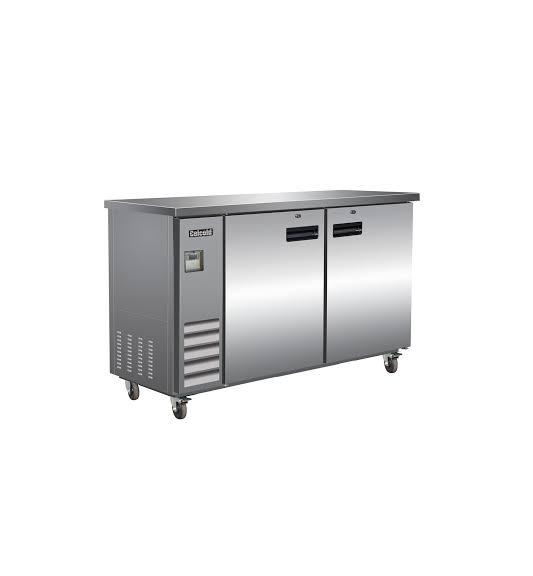
A well-designed bar requires more than attractive finishes and a selection of beverages. Behind the counter, bartenders need an organized workspace that supports drink preparation, refrigeration, cleaning, and fast customer service. Equipment choices can influence how efficiently staff work, how consistently the bar is maintained, and how effectively the available space is used.
For restaurants, hotels, pubs, and hospitality venues, a stainless steel back bar can be an important component of a practical beverage-service area. However, selecting the right unit requires attention to dimensions, storage capacity, construction, cleaning requirements, and compatibility with the overall bar layout.
What Is a Back Bar and Why Is It Important?
A back bar is the equipment or workspace positioned behind the primary bar counter. Depending on the configuration, it may provide refrigerated storage, shelving, space for beverages, or an area for organizing frequently used supplies.
In a busy establishment, the back bar supports several tasks at once. Bartenders may need to retrieve chilled ingredients, prepare garnishes, access glassware, restock beverages, and maintain a clean service area while handling customer orders.
A poorly planned arrangement can lead to repeated movements, cluttered work surfaces, and delays during peak service. A suitable back bar helps establish clear storage zones and keeps commonly used items within convenient reach.
The exact equipment needed depends on the menu, beverage volume, staffing model, and physical layout of the venue.
Why Consider Stainless Steel Construction?
Stainless steel is widely used in commercial foodservice environments because it offers a durable, practical surface that can be cleaned using appropriate procedures. Its appearance also works well in contemporary bars, restaurants, and hotel service areas.
The benefits depend on the grade of steel, construction quality, design, and maintenance routine. Buyers should not assume that every stainless steel product has identical corrosion resistance or durability.
Durability in a Busy Environment
Bar equipment is exposed to frequent use, moisture, spills, glassware, cleaning activities, and repeated stocking. A well-constructed unit should be suitable for the expected working conditions.
Inspect the finish, joints, edges, doors, handles, hinges, and supporting structure. These details can affect everyday usability and long-term maintenance.
Where equipment includes refrigerated compartments, evaluate the refrigeration system separately from the exterior construction. Good metalwork does not automatically guarantee suitable cooling performance.
Easier Routine Cleaning
Bars handle sugary syrups, citrus juice, dairy ingredients, beverage residues, and water. If these substances remain on surfaces, they can contribute to sticky deposits, unpleasant odours, or hygiene concerns.
Stainless steel surfaces are generally straightforward to clean when staff follow the manufacturer's instructions. Cleaning schedules should address both visible surfaces and less obvious areas, such as handles, corners, seals, and spaces beneath removable components.
Avoid abrasive materials or chemical cleaners that may damage the finish. The correct cleaning procedure depends on the equipment manufacturer's guidance.
A Professional Appearance
The appearance of the bar can influence customer perceptions of the overall venue. Clean, well-maintained equipment contributes to a consistent visual presentation and can complement other stainless steel appliances.
However, appearance should remain secondary to functionality. A visually appealing unit that provides insufficient storage or restricts staff movement may not be the best choice.
Which Dimensions and Storage Features Matter Most?
Before selecting equipment, measure the proposed installation area carefully. Include the available width, depth, and height, as well as clearance for doors, drawers, ventilation, and routine servicing.
A unit that fits the floor plan on paper may still create problems if its doors open into a walkway or block access to adjacent equipment.
Storage requirements should reflect the drinks menu. A bar specializing in bottled beverages may need a different configuration from a cocktail bar that stores mixers, juices, garnishes, and other perishable ingredients.
Consider the following factors:
-
Refrigerated capacity: Determine how much chilled stock must be accessible during service.
-
Internal organization: Assess whether shelves and compartments accommodate the products used regularly.
-
Door configuration: Confirm that access remains convenient when multiple employees are working.
-
Ventilation: Follow the manufacturer's required clearances to help the refrigeration system operate properly.
-
Service access: Ensure technicians can reach relevant components without major disruption.
-
Workstation compatibility: Check that the unit complements adjacent counters, sinks, and preparation areas.
Capacity should be based on realistic service demand rather than the maximum number of products that can physically fit inside the equipment.
How Does Back Bar Design Affect Bartender Productivity?
Efficient bar design reduces unnecessary movement. Frequently used ingredients should be easy to reach, while backup stock can be positioned in secondary storage areas.
For example, a cocktail-focused venue may organize mixers and garnishes close to the preparation station. A restaurant with a large bottled-beverage menu may prioritize chilled storage and straightforward restocking.
The workflow should also separate clean glassware, used items, food ingredients, and waste wherever the operational layout allows. This supports a more orderly environment and makes it easier to maintain established hygiene practices.
Managers can observe staff during a typical service period to identify repeated movements or bottlenecks. Small layout adjustments may improve efficiency without requiring a complete renovation.
What Maintenance Practices Help Protect the Investment?
Routine care should include cleaning exterior surfaces, checking door seals where applicable, keeping ventilation areas unobstructed, and monitoring refrigeration performance.
Employees should know how to identify warning signs such as unusual noise, damaged seals, water accumulation, or inconsistent cooling. These issues should be reported promptly rather than ignored until equipment failure disrupts service.
Maintenance tasks must follow the manufacturer's instructions. Refrigeration repairs and electrical work should be handled by appropriately qualified personnel.
The purchasing decision should also consider the availability of replacement components and access to technical support. These factors may affect the total cost of ownership over the equipment's service life.
What Should Buyers Ask a Supplier?
Before making a decision, clarify the intended application, required capacity, electrical specifications, dimensions, delivery arrangements, warranty coverage, and service provisions.
Ask whether the product is designed for the anticipated operating environment and whether its refrigeration capacity is suitable for the expected ambient conditions and workload.
It is also useful to confirm the process for obtaining replacement parts and arranging authorized service if necessary. Clear answers help buyers compare products on more than the initial purchase price.
Final Thoughts
A well-selected back bar can help hospitality businesses maintain organized storage, support beverage preparation, and present a professional service environment. The best choice depends on the venue's menu, expected demand, available space, cleaning routines, and maintenance requirements.
Careful planning before purchase can reduce layout problems and improve daily operations. By evaluating construction, dimensions, refrigeration performance, and workflow together, restaurant operators can choose equipment that supports both staff productivity and a consistent customer experience.

 English
 Arabic
 French
 Spanish
 Portuguese
 Deutsch
 Dutch
Dutch
 Italiano
 Russian
 Romaian
 Portuguese (Brazil)
 Greek
Greek