


Davao Medical School Foundation: Modern Learning in Medical Education
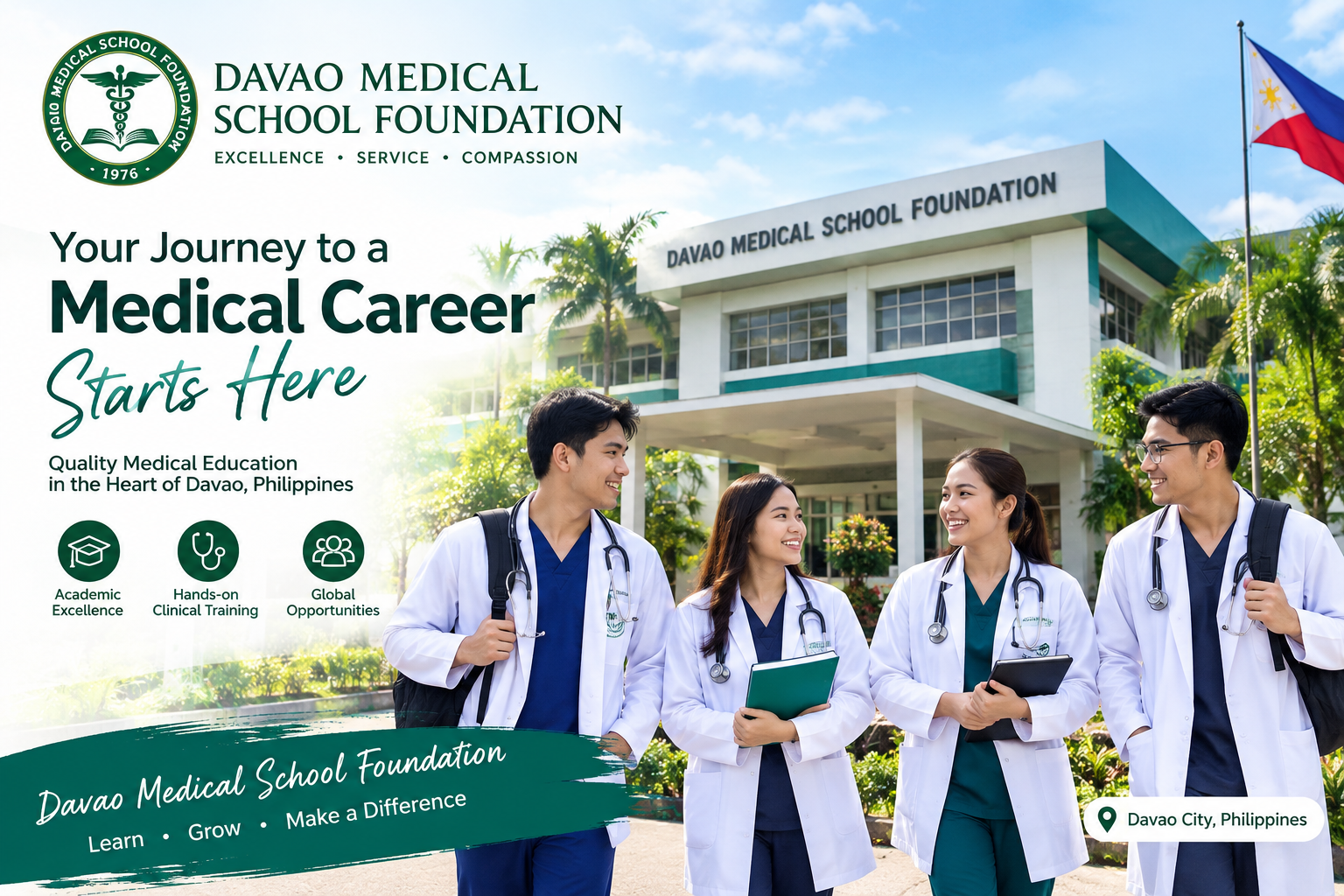
Medical education continues to evolve as universities introduce new ways to help students understand complex concepts, develop practical abilities, and prepare for clinical responsibilities. Modern learning is no longer limited to textbooks and classroom lectures. Digital resources, interactive teaching, research, and teamwork can all contribute to a more engaging educational experience. For aspiring doctors exploring the Davao Medical School Foundation, understanding the role of these learning methods can help them make informed decisions about their medical education journey.
Digital Resources and Flexible Learning
Digital learning tools have changed how medical students access and review academic information. Online libraries, electronic textbooks, recorded lectures, educational videos, and anatomy applications can make it easier to revisit difficult topics outside scheduled classes.
Students studying subjects such as anatomy, physiology, and biochemistry often need regular revision to retain detailed information. Digital resources allow them to review diagrams, explore visual explanations, and practise through online quizzes at their own pace.
However, technology works best when combined with structured study habits. Students should use reliable academic sources, compare information with their prescribed curriculum, and ask faculty members for clarification when necessary. Before choosing a medical institution, applicants can investigate the learning resources and academic support services officially available to students.
Simulation-Based Learning and Clinical Skills
Medical students need more than theoretical knowledge to understand how healthcare works in practice. Simulation-based learning can provide opportunities to practise selected clinical procedures and decision-making skills in a controlled educational environment.
Depending on the facilities available, simulation activities may involve anatomical models, clinical mannequins, demonstrations, or simulated patient scenarios. These exercises can help students understand examination techniques, improve coordination, and learn how to respond to different clinical situations before working with actual patients under appropriate supervision.
Simulation-Based Medical Training also encourages students to learn from mistakes without exposing real patients to unnecessary risks. Feedback from instructors helps learners identify weaknesses and improve their approach. When evaluating a medical program, students should check which practical facilities are available and how clinical instruction is incorporated into the curriculum.
Research Activities and Scientific Thinking
Research is another important part of modern medical education. It encourages students to ask questions, examine evidence, and understand how scientific discoveries influence medical practice.
Through guided assignments, literature reviews, research discussions, and appropriate project work, students can develop skills in analysing information and interpreting findings. These abilities are useful when reviewing medical studies, understanding treatment guidelines, and recognising the importance of evidence-based healthcare.
Medical Research Opportunities can also introduce students to scientific writing, ethical research practices, and collaboration with academic mentors. Prospective students should explore the institution's official information about research activities, faculty interests, and opportunities for student participation rather than assuming that every program offers the same resources.
Collaborative Study and Peer Learning
Medicine involves communication and cooperation, making teamwork an essential skill for future healthcare professionals. Group discussions, case-based learning, presentations, and peer revision sessions allow students to exchange ideas and learn from different perspectives.
For example, a group studying a medical case can discuss symptoms, identify relevant concepts, and explain the scientific reasoning behind possible diagnoses. This process helps learners practise communication while strengthening their understanding of the subject.
Collaborative Medical Education can also encourage accountability. Students who explain a topic to classmates may identify gaps in their own knowledge, while constructive feedback can improve their ability to present information clearly.
Nevertheless, group learning should complement individual preparation. Each student needs sufficient time for independent reading, revision, and self-assessment to build a reliable foundation in medical science.
Choosing a Modern Medical Learning Environment
Students considering medical education abroad should evaluate an institution beyond its name or location. Important factors include the curriculum, teaching methods, laboratory facilities, clinical training arrangements, faculty support, and access to academic resources.
For Davao Medical School Foundation, applicants should consult official institutional information to confirm the current program structure, available facilities, admission requirements, and clinical learning arrangements. Students planning to practise in another country should also verify degree recognition and licensing requirements with the relevant authorities before enrolling.
Final Thoughts
Technology, practical exercises, research, and teamwork can make medical learning more interactive and help students develop essential academic skills. The Davao Medical School Foundation is an institution prospective students can research when comparing medical education options in the Philippines. By examining Simulation-Based Medical Training and Collaborative Medical Education, applicants can better understand the learning approaches that may support their development and choose a program that aligns with their professional goals.

 English
 Arabic
 French
 Spanish
 Portuguese
 Deutsch
 Turkish
 Dutch
Dutch
 Italiano
 Russian
 Romaian
 Portuguese (Brazil)