


How a Lathe Workshop UAE Helps Restore Worn Industrial Shafts Without Full Replacement
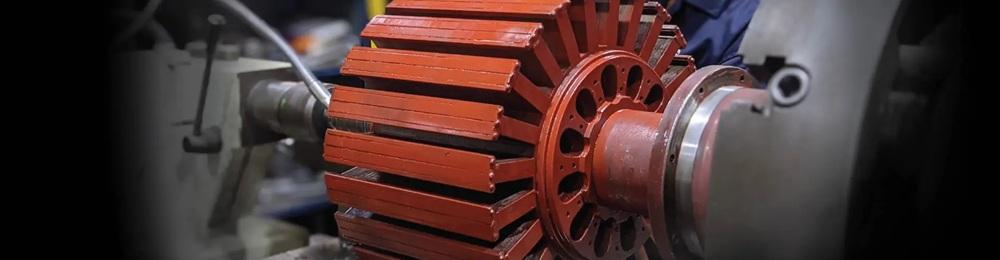
Industrial shafts play a critical role in keeping rotating machinery, pumps, electric motors, gearboxes, generators, and production equipment operating smoothly. However, continuous operation, friction, heavy loads, misalignment, and inadequate lubrication can gradually wear down shaft surfaces. When this happens, replacing the entire shaft may seem like the easiest solution, but it is not always necessary. A professional lathe workshop uae can often restore worn industrial shafts through precision machining, surface preparation, dimensional correction, and other suitable repair techniques.
For industrial facilities across Dubai, Abu Dhabi, Sharjah, and other parts of the UAE, shaft restoration can offer a practical way to reduce equipment downtime, control maintenance costs, and extend the service life of valuable machinery. The key is identifying the extent of the damage and choosing a repair method that restores the shaft's functional accuracy without compromising its strength or reliability.
Why Industrial Shafts Wear Out Over Time
Industrial shafts operate under demanding conditions. They transmit torque, support rotating components, and maintain alignment between connected mechanical parts. Over time, these responsibilities can lead to wear, particularly around bearing journals, seal contact areas, keyways, coupling seats, and other high-stress locations.
Several factors commonly contribute to shaft deterioration:
-
Friction and surface wear: Continuous contact with bearings, seals, or connected components can reduce shaft diameter and create uneven surfaces.
-
Misalignment: Incorrect alignment between motors, gearboxes, and driven equipment can increase vibration and accelerate localized wear.
-
Poor lubrication: Insufficient or contaminated lubricant can increase friction, generate heat, and damage contact surfaces.
-
Corrosion: Moisture, chemicals, and harsh operating environments can cause pitting, surface deterioration, and dimensional changes.
-
Overloading and fatigue: Excessive operating loads can contribute to cracking, bending, and other structural damage.
Recognizing these issues early allows maintenance teams to assess whether machining can restore the shaft or whether a replacement is the safer option.
How a Lathe Workshop UAE Restores Damaged Shafts
A lathe is a fundamental machine tool used to remove material from a rotating workpiece with controlled precision. When an industrial shaft develops wear, a skilled machining team can use a lathe to correct selected surfaces, restore suitable dimensions, and prepare the component for further repair or assembly.
The restoration process generally involves several stages.
1. Inspecting the Shaft and Measuring the Damage
Before machining begins, technicians examine the shaft to determine the location and severity of the wear. Measurements may include shaft diameter, roundness, runout, straightness, and the dimensions of bearing seats or other critical features.
The original engineering drawings, available tolerances, material specifications, and operating requirements help establish the acceptable finished dimensions.
Visual inspection alone is not always sufficient. Where necessary, additional non-destructive testing can help identify cracks or other defects that might make restoration unsuitable. This assessment is particularly important for shafts that transmit substantial torque or operate at high rotational speeds.
2. Removing Worn or Uneven Material
Once the repair approach has been established, the shaft is mounted securely in the lathe. The machining process removes a controlled amount of material to eliminate surface irregularities, corrosion damage, scoring, or other imperfections within the repair allowance.
This operation can produce a cleaner, more uniform surface and prepare the shaft for subsequent restoration work.
However, material removal must be carefully controlled. Excessive machining can reduce the shaft diameter below the required tolerance or weaken a component that is already operating close to its design limits.
3. Restoring the Required Diameter
Not every worn shaft can be repaired through turning alone. If a bearing journal or seal surface has lost too much material, machining the surrounding area may leave the component undersized.
Depending on the shaft material, operating conditions, and engineering requirements, restoration may involve an approved build-up process, such as metal deposition or another suitable surface-restoration technique, followed by precision machining to the required dimensions.
The objective is to restore the functional surface while maintaining the required fit, finish, and mechanical integrity. The selected method should account for heat input, material compatibility, and the possibility of distortion.
4. Correcting Bearing Seats, Keyways, and Coupling Areas
Shaft performance depends on more than its overall diameter. Bearing seats must provide the correct fit, coupling areas must maintain alignment, and keyways must transmit torque without excessive movement.
A capable machine shop can inspect and machine accessible features to the specified dimensions. Where damage extends beyond straightforward machining, a more comprehensive repair may be necessary.
These details matter because a shaft that looks smooth after repair may still cause premature bearing failure, coupling problems, or vibration if its critical dimensions are incorrect.
5. Checking Runout and Surface Finish
After machining, the shaft should be checked against the relevant dimensional and geometric requirements. Depending on the application, this may include diameter measurements, runout checks, straightness verification, and surface-finish assessment.
For high-speed rotating assemblies, dynamic balancing may also be necessary after shaft restoration and reassembly. Balancing requirements depend on the complete rotor assembly, its operating speed, and the applicable engineering specification.
These checks help confirm that the repaired component is suitable for its intended operating conditions.
When Is Shaft Restoration Better Than Full Replacement?
The decision depends on the condition of the shaft, the cost of repair, component availability, and the consequences of failure.
Restoration may be a sensible option when the damage is limited to a repairable surface, the shaft retains adequate structural strength, and the finished dimensions can meet the required tolerances. It can also be attractive when replacement components have long lead times or require substantial procurement expenditure.
Replacement is generally more appropriate when the shaft has severe cracking, significant permanent bending, extensive fatigue damage, or deterioration that cannot be repaired reliably. A shaft with critical structural damage should not be returned to service simply because its surface can be machined smooth.
A proper engineering assessment helps balance repair costs against long-term reliability rather than focusing exclusively on the immediate price.
Why UAE Industries Need Reliable Machine Shop Works
Industrial facilities throughout the UAE rely on equipment that must withstand demanding operating schedules and environmental conditions. Unexpected shaft failure can interrupt production, affect connected machinery, and create costly maintenance delays.
Professional machine shop works can support maintenance teams by providing access to inspection, turning, dimensional correction, and component refurbishment. For businesses comparing fabrication companies in UAE, it is worth evaluating technical capabilities, machining accuracy, inspection procedures, and experience with the type of component requiring repair.
Facilities searching for a lathe workshop Dubai can also benefit from choosing a provider that understands the relationship between machining, mechanical assembly, and rotating equipment maintenance.
Similarly, when evaluating machining companies in UAE, industrial buyers should consider whether the workshop can assess the full repair requirement rather than simply perform the requested machining operation. The ability to identify related issues, such as worn bearing seats or excessive runout, can help prevent repeat failures.
What to Look for Before Sending a Shaft for Repair
Choosing the right workshop begins with providing accurate information about the component and its operating environment.
Where available, share the shaft drawing, original dimensions, material details, operating speed, load conditions, and a description of the observed damage. Photographs can help with an initial discussion, although they cannot replace physical inspection and measurement.
Ask how the workshop determines repair tolerances, checks the finished component, and identifies damage that may make restoration unsuitable. For critical rotating equipment, confirm whether additional services such as non-destructive testing, suitable surface restoration, or dynamic balancing can be arranged when required.
Clear communication before machining begins helps establish realistic expectations and reduces the risk of unnecessary work.
Restore More Value with Precision Shaft Machining
Replacing an industrial shaft is sometimes unavoidable, but it should not automatically be the first response to surface wear. With proper inspection, carefully controlled machining, an appropriate restoration method, and verification of the finished dimensions, many repairable shafts can return to useful service without complete replacement.
For industrial operators across Dubai, Abu Dhabi, Sharjah, and the wider UAE, the right repair decision can help reduce unnecessary expenditure, limit equipment downtime, and protect the performance of connected machinery.
Daniel Group — Your lathe workshop UAE partner for precision, performance, and longer-lasting industrial equipment.
Frequently Asked Questions
1. Can a lathe workshop UAE repair a worn industrial shaft without replacing it?
Yes, in suitable cases. A workshop can machine damaged surfaces and, where technically appropriate, use an approved material build-up or surface-restoration process before finishing the shaft to the required dimensions. Severe cracking, excessive bending, and other structural defects may require replacement instead.
2. What types of industrial shaft damage can machining address?
Machining can address certain forms of surface scoring, uneven wear, dimensional inaccuracies, and damaged cylindrical surfaces. The suitability of the repair depends on the shaft material, remaining dimensions, defect depth, and operating requirements.
3. How do I choose a lathe workshop Dubai for industrial shaft repairs?
Look for relevant machining experience, suitable equipment, reliable dimensional inspection, and a clear repair-assessment process. For critical machinery, also ask about material-restoration options, runout verification, and access to dynamic balancing when required.
4. Is shaft restoration less expensive than manufacturing a new shaft?
It can be, particularly when the damage is localized and the component remains structurally sound. However, the final cost depends on inspection, machining time, any required material build-up, finishing, testing, and the cost and availability of a replacement.
5. Do fabrication companies in UAE also provide precision machining?
Capabilities vary between companies. Some workshops offer both fabrication and machining, while others specialize in particular processes. Confirm that the selected provider has the equipment, measurement capabilities, and technical expertise required for your specific shaft.
6. Why is dynamic balancing important after shaft repair?
Machining or other restoration work can alter the mass distribution of a rotating component or assembly. Where required by the application, dynamic balancing helps reduce rotational vibration, limit unnecessary loads on bearings, and support smoother operation. The balancing requirement should be determined by the equipment design and operating conditions.
For dependable industrial maintenance support and machining-related services, explore the capabilities of Daniel Group, serving industrial requirements across the UAE.

 English
 Arabic
 French
 Spanish
 Portuguese
 Deutsch
 Turkish
 Dutch
Dutch
 Italiano
 Russian
 Romaian
 Greek
Greek