


Can Kipu EMR and Cortex EDI Improve Healthcare Workflows?
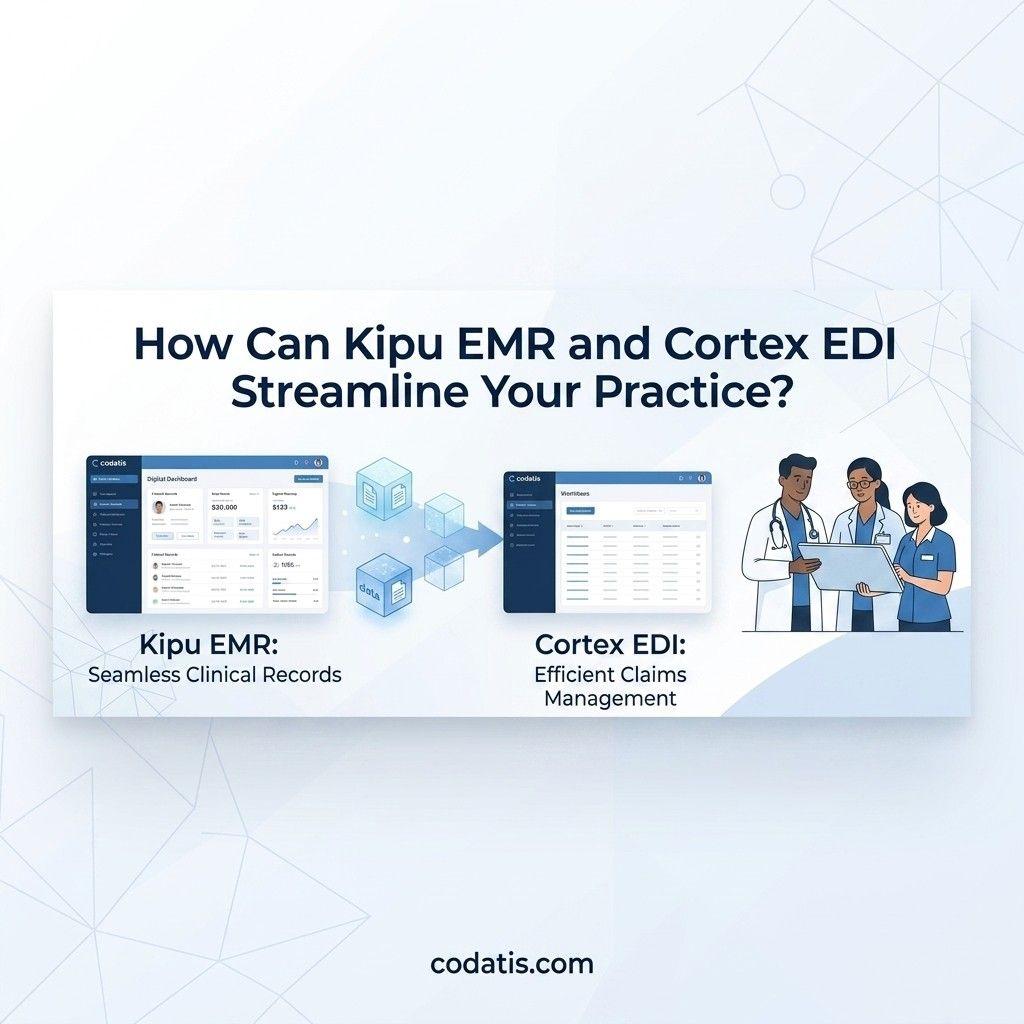
Healthcare organizations rely on technology to simplify clinical documentation, patient management, and medical billing. Choosing the right software can significantly improve operational efficiency while reducing administrative work. Two solutions that often attract attention are Kipu EMR and Cortex EDI. While Kipu EMR focuses on behavioral health documentation, patient engagement, and revenue cycle support, Cortex EDI specializes in electronic claims processing and EDI billing software solutions.
Organizations looking to streamline both clinical and financial workflows often compare these platforms to understand their strengths. This guide explores features, pricing, login options, billing capabilities, reviews, and the factors to consider before selecting either platform.
Understanding Kipu EMR for Behavioral Healthcare
Many providers ask, what is Kipu EMR and why it has become popular among behavioral health organizations.
Kipu EMR Software is designed specifically for addiction treatment centers, mental health clinics, and behavioral healthcare providers. Instead of serving every medical specialty, the platform focuses on the unique documentation, compliance, and treatment planning requirements of behavioral healthcare.
Clinics using Kipu Health EMR can manage patient records, treatment plans, progress notes, scheduling, medication documentation, and reporting from one centralized system.
Some organizations also integrate Kipu RCM services to improve reimbursement and revenue cycle performance while reducing billing delays.
How Cortex EDI Supports Modern Medical Billing
Unlike a traditional clinical system, Cortex EDI focuses primarily on healthcare billing and claims management.
As an advanced EDI billing software, it enables healthcare providers to exchange electronic claims, eligibility requests, payment information, and remittance advice with insurance companies.
Healthcare organizations frequently use Claims Cortex solutions to automate repetitive billing tasks, minimize claim errors, and improve reimbursement speed.
When integrated with an EMR, Cortex EDI EMR Software helps create a smoother workflow between patient documentation and insurance claim submission.
Key Features That Make Both Platforms Valuable
Although they serve different purposes, these platforms complement each other.
Kipu EMR Features
Healthcare providers evaluating Kipu EMR Features often highlight:
-
Behavioral health-specific documentation
-
Digital treatment planning
-
Clinical notes automation
-
Patient scheduling
-
Medication management
-
Compliance reporting
-
Integrated billing support
-
Mobile access through the Kipu Health App
-
Revenue cycle optimization using Kipu RCM
Organizations interested in testing the platform can request a Kipu EMR Demo before making a purchasing decision.
Cortex EDI Features
Organizations researching Cortex EDI EMR Features typically appreciate:
-
Electronic claim submission
-
Insurance eligibility verification
-
Claim status tracking
-
Electronic remittance advice
-
Payment posting
-
Clearinghouse integration
-
Reduced manual billing work
-
Faster reimbursement cycles
Many providers also request a Cortex EDI Demo to evaluate compatibility with their existing healthcare software.
Login Options and User Access
Secure access is essential for every healthcare application.
Users searching for Kipu EMR Login, Kipu EMR Log In, or Kipu Login can securely access their dashboards using authorized credentials. Healthcare employees may also use Login to Kipu EMR for Employees or the Kipu Login Employee Login App depending on their organization's deployment.
Patients and providers sometimes search for Kipu Sign In, Kipu EMR App Login, or Kipu EMR App Login Free when looking for mobile access. The Kipu App and Kipu Health App provide convenient access to selected features for authorized users.
Similarly, billing teams frequently search for Cortex EDI Login or Cortex EDI EMR Login to access billing portals and claims management tools. New organizations may also explore Cortex EDI EMR Sign In or Cortex EDI EMR Sign Up during implementation.
Pricing Considerations Before Purchasing
Software pricing depends on multiple factors including organization size, number of users, implementation requirements, and optional services.
Many healthcare organizations ask:
-
How much does Kipu cost?
-
Kipu Pricing
-
Kipu EMR Pricing
-
Kipu EMR Cost
-
Kipu EMR Cost Per Month
The exact pricing is generally provided through custom quotations based on organizational needs rather than fixed public rates.
Similarly, billing departments often search for:
-
Cortex Pricing
-
Cortex EDI EMR Pricing
-
Cortex EDI EMR Cost
-
Cortex EDI EMR Cost Per Month
-
How Much Cost of Cortex EDI EMR Software?
Pricing usually depends on transaction volume, integration requirements, and support packages.
Is Either Platform Available for Free?
One common question among smaller practices is:
Is Kipu EMR Free?
Generally, Kipu operates as a commercial healthcare platform rather than a free EMR. Some organizations may receive demonstrations or trial opportunities before purchasing.
Another common search is:
Is Cortex EDI EMR Free?
Like most enterprise healthcare billing solutions, Cortex EDI is typically offered as a paid service with customized pricing.
Reviews and Overall User Experience
Reading customer feedback helps healthcare organizations understand real-world performance.
Kipu EMR Reviews often mention:
-
Easy behavioral health documentation
-
Improved patient management
-
Strong compliance capabilities
-
Helpful revenue cycle support
-
User-friendly workflow
Meanwhile, Cortex EDI EMR Reviews commonly discuss:
-
Faster electronic claims processing
-
Reduced billing errors
-
Efficient insurance communication
-
Better reimbursement tracking
-
Reliable clearinghouse functionality
Every healthcare organization should compare reviews alongside live demonstrations before making a purchasing decision.
Choosing the Right Solution for Your Practice
The choice depends largely on your operational priorities.
Choose Kipu Works EMR or Kipu Works if your organization specializes in behavioral health and needs complete patient management with integrated clinical workflows.
Choose Cortex EDI if your primary objective is improving insurance claims processing, electronic billing, and reimbursement management.
Many healthcare providers actually combine an EMR with specialized EDI billing software to build a complete digital ecosystem.
Buying and Getting Started
Organizations ready to move forward often search for:
-
Get Kipu EMR Software
-
Buy Kipu EMR Software
-
Get Cortex EMR Software
-
Buy Cortex EMR Software
Before purchasing, request product demonstrations, compare implementation timelines, review integration options, and evaluate customer support. This helps ensure the selected platform aligns with both current operations and future growth plans.
Final Thoughts
Healthcare technology continues to evolve, making it increasingly important to invest in solutions that simplify both patient care and financial operations. Kipu EMR provides specialized tools for behavioral healthcare organizations through comprehensive documentation, scheduling, mobile access, and revenue cycle capabilities. Cortex EDI, on the other hand, strengthens the billing side by automating claims processing, eligibility verification, and electronic insurance communication.
When evaluated together, these platforms demonstrate how clinical management and electronic billing can work hand in hand. Healthcare organizations should assess their workflow requirements, request product demonstrations, compare pricing, and review integration options before making a final software investment.
FAQs
1. What is Kipu EMR used for?
Kipu EMR is a behavioral healthcare software platform designed for patient documentation, treatment planning, scheduling, compliance, and revenue cycle management.
2. How much does Kipu EMR cost?
Kipu EMR pricing varies based on organization size, number of users, implementation needs, and selected services. Providers usually need to request a custom quote.
3. What is Cortex EDI?
Cortex EDI is an electronic data interchange solution that helps healthcare organizations submit insurance claims, verify eligibility, receive remittance advice, and manage billing electronically.
4. Is Cortex EDI free to use?
No. Cortex EDI is generally offered as a commercial solution with customized pricing depending on usage and organizational requirements.
5. Can Kipu EMR integrate with billing software?
Yes. Many healthcare organizations integrate Kipu EMR with revenue cycle management and EDI billing solutions like Cortex EDI to create a seamless clinical and financial workflow.

 English
 Arabic
 French
 Spanish
 Portuguese
 Deutsch
 Turkish
 Dutch
Dutch
 Italiano
 Russian
 Portuguese (Brazil)
 Greek
Greek