


How Can Heat Pump Care in Shawnee, KS Improve Home Comfort?
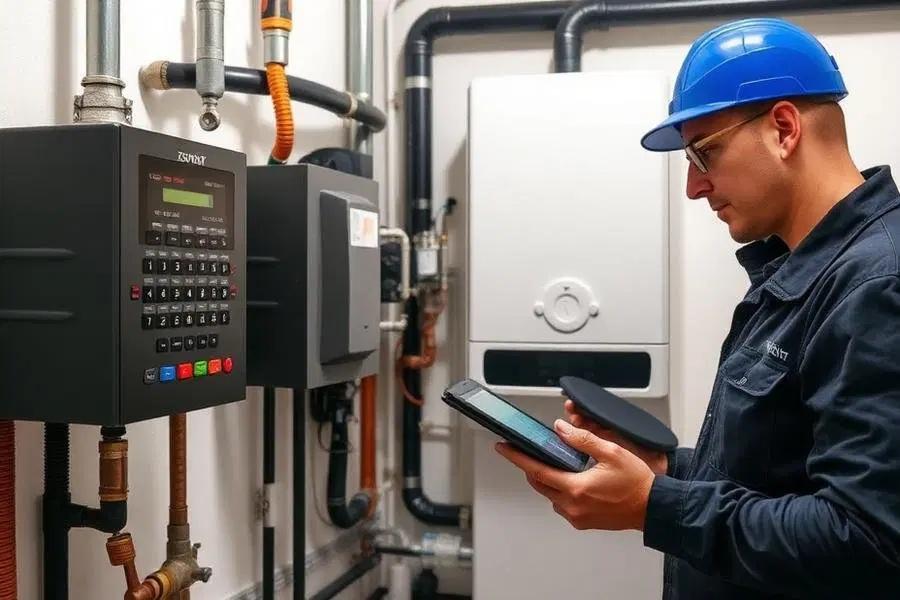
Heat pumps provide an efficient way to heat and cool homes throughout the year, but they need regular attention to perform well. For homeowners, Heat Pump Care in Shawnee, KS is especially important because local weather brings hot summers, cold winters, humidity, and sudden temperature changes. These conditions can put extra strain on heating and cooling equipment. Simple maintenance tasks, timely inspections, and good thermostat habits can help keep a heat pump running smoothly. Understanding how the system works and recognizing early warning signs can also help prevent unexpected repairs. With a practical maintenance routine, homeowners can improve indoor comfort, manage energy use, and extend the useful life of their heating and cooling equipment.
Why Is Regular Heat Pump Maintenance Important?
A heat pump moves heat instead of generating it directly through a combustion process. During summer, it transfers heat from inside the home to the outdoors. In winter, it extracts heat from outdoor air and moves it indoors. Because the same equipment handles both heating and cooling, its performance affects comfort throughout the year.
Regular maintenance helps keep the system's main parts clean and working as intended. Dirty filters, blocked outdoor coils, loose electrical connections, and restricted airflow can all reduce performance. When a heat pump has to work harder to reach the thermostat setting, it may use more electricity and experience additional wear.
Routine heat pump maintenance also helps identify small problems before they become larger ones. For example, a technician may notice unusual vibration, a worn electrical component, or a drainage issue during an inspection. Addressing these concerns early may reduce the chance of an unexpected breakdown during extreme weather.
Homeowners should not wait until the system stops working to arrange service. A seasonal inspection before heavy summer cooling or winter heating can help prepare the equipment for periods of high demand.
How Does Shawnee Weather Affect Heat Pump Performance?
Weather conditions in Shawnee can change significantly between seasons. Heat pumps must adapt to hot afternoons, humid summer air, freezing winter temperatures, and occasional ice or snow around outdoor equipment. For homeowners, Top Heat Pump Care in Shawnee, KS is especially important because local weather brings hot summers, cold winters, humidity, and sudden temperature changes.
During summer, outdoor temperatures and humidity can make the system work harder to remove indoor heat and moisture. If the air filter is dirty or the outdoor unit is blocked, the system may struggle to maintain a comfortable temperature. Poor drainage can also lead to water-related concerns around the indoor equipment.
Winter creates a different set of challenges. Heat pumps absorb heat from outdoor air, even when temperatures are low. However, their heating capacity and efficiency generally decrease as outdoor temperatures fall. The system may run longer or use supplemental electric heating to maintain the desired indoor temperature.
Frost on an outdoor unit does not always indicate a problem. Heat pumps have defrost controls that periodically remove frost from the outdoor coil. Homeowners should be more concerned if thick ice remains on the coil, the fan cannot turn freely, or the system repeatedly fails to provide enough heat.
A few seasonal habits can help homeowners respond to these conditions:
-
Keep leaves, grass, and other debris away from the outdoor unit.
-
Check air filters more frequently during periods of heavy use.
-
Keep supply and return vents clear of furniture and curtains.
-
Watch for unusual noises, persistent ice, or sudden changes in performance.
-
Schedule professional service before the hottest or coldest part of the year.
Understanding local weather patterns makes it easier to plan maintenance before the system faces its greatest workload.
What Heat Pump Care in Shawnee, KS Should Include
A dependable maintenance routine combines simple homeowner tasks with professional inspections. Homeowners can safely handle basic upkeep, while trained technicians should inspect electrical parts, refrigerant systems, and other components that require specialized tools or knowledge.
Tasks Homeowners Can Perform
One of the most useful tasks is checking the air filter. A clogged filter restricts airflow, which can reduce comfort and put additional strain on the system. Follow the manufacturer's instructions for cleaning or replacing the filter, and check it more often if the home has pets, construction dust, or heavy system use.
The outdoor unit also needs room for air to move freely. Remove loose leaves and grass clippings from around the equipment, but turn the system off before cleaning nearby areas. Do not open electrical panels, remove protective grilles, or spray high-pressure water into the coils.
Inside the home, make sure return grilles and supply registers are not blocked. If certain rooms remain uncomfortable, note when the problem occurs and whether it affects heating, cooling, or both. These details can help a technician identify airflow or control issues.
Tasks Best Left to a Professional
A professional heat pump inspection may include checking refrigerant performance, testing electrical connections, examining capacitors and contactors, inspecting coils, checking condensate drainage, and verifying thermostat operation.
The technician can also assess the outdoor fan, indoor blower, defrost controls, and system operating temperatures. If the equipment uses auxiliary heat, the technician may test that function as well.
Refrigerant should never be added simply because a heat pump appears to be running poorly. Low refrigerant can indicate a leak, and diagnosing the cause requires appropriate equipment and training.
Which Heat Pump Problems Should Homeowners Watch For?
Recognizing warning signs early can help prevent a minor issue from becoming a major repair. Not every unusual symptom means the equipment has failed, but persistent changes deserve attention.
Weak airflow: If air comes from the vents more slowly than usual, check the filter and make sure registers are open. If airflow remains weak, the issue could involve the blower, ductwork, or another component.
Uneven temperatures: A heat pump that keeps one room comfortable while leaving another too hot or cold may have an airflow problem, duct leakage, insulation issues, or an incorrect thermostat setting.
Short cycling: A system that starts and stops repeatedly may have a thermostat issue, restricted airflow, an electrical problem, or equipment sizing concerns. Frequent cycling should be checked rather than ignored.
Unusual sounds: Grinding, repeated clicking, loud rattling, or harsh buzzing can signal a mechanical or electrical problem. Turn the system off if there is a burning smell, visible electrical damage, or severe mechanical noise, and contact a qualified technician.
Unexpectedly high energy bills: A sudden increase in electricity use may result from colder weather, changing thermostat settings, dirty filters, auxiliary heat operation, or declining equipment performance. Compare usage with similar weather conditions before assuming the heat pump is faulty.
Persistent ice buildup: Light frost may be normal during winter operation, but heavy ice that does not clear can point to a defrost problem or restricted airflow. Do not chip ice from the coil or use sharp tools to remove it.
Prompt attention to these symptoms can help restore reliable heating and cooling while reducing the risk of additional damage.
How Can Thermostat Settings Improve Efficiency?
Thermostat habits have a direct effect on comfort and energy use. Heat pumps work best when settings match the household's needs and the equipment's operating characteristics.
Frequent, large temperature changes may not always save energy, especially when they trigger auxiliary electric heat. Some systems use supplemental resistance heating when the thermostat setting changes substantially or when outdoor temperatures are very low. Because this heat can use more electricity than the heat pump's compressor, unnecessary activation may increase energy costs.
A steady, comfortable setting is often a practical starting point. Homeowners should consult their equipment instructions or a qualified technician for guidance on setbacks and scheduling. Smart thermostats designed for heat pumps may offer useful scheduling features, but compatibility and correct configuration matter.
The thermostat should also be set to the appropriate operating mode. Use heating during cold weather and cooling during warm weather, and avoid switching between modes repeatedly in response to short-term temperature changes.
If the home feels uncomfortable despite a reasonable setting, raising or lowering the thermostat further may not solve the underlying issue. Check the filter, confirm that vents are open, and note whether the equipment runs continuously or cycles frequently. Persistent problems may require professional diagnosis.
What Is the Difference Between DIY Maintenance and Professional Service?
Homeowners can complete several basic maintenance tasks, but professional service is important for checking internal components and confirming that the system operates safely.
| Maintenance task | DIY or professional? | Recommended approach |
|---|---|---|
| Inspecting the air filter | DIY | Check regularly and replace as needed |
| Clearing leaves near the outdoor unit | DIY | Maintain clear airflow without opening the equipment |
| Checking vents and registers | DIY | Keep supply and return openings unobstructed |
| Testing electrical components | Professional | Have a qualified technician inspect connections and controls |
| Checking refrigerant performance | Professional | Diagnose performance problems using appropriate tools |
| Inspecting defrost operation | Professional | Arrange service if ice buildup persists |
| Checking condensate drainage | Both | Watch for leaks; have recurring blockages inspected |
| Evaluating system performance | Professional | Schedule periodic maintenance and investigate unusual symptoms |
The right maintenance schedule depends on the equipment, its age, the manufacturer's recommendations, and how heavily it is used. Many homeowners arrange professional service about once a year, while systems that provide year-round heating and cooling may benefit from checks before both major seasons.
What Factors Affect Heat Pump Repair and Maintenance Costs?
The cost of maintaining a heat pump depends on the type of service, the system's condition, and whether a repair is needed. Routine maintenance is generally different from a service visit that requires replacement parts or extensive troubleshooting.
Several factors can affect the final cost.
System age: Older equipment may need more frequent repairs as components wear. If breakdowns become common, comparing repair costs with replacement options may help homeowners make a practical decision.
Type of problem: A basic thermostat adjustment is different from replacing a failed motor or repairing a refrigerant leak. The parts, labor, diagnostic time, and complexity of the repair all influence the price.
Accessibility: Equipment located in a difficult-to-reach area may require additional time to inspect or service. Indoor units, outdoor units, and ductwork can each present different access challenges.
Maintenance history: Systems that have not received regular filter changes or professional inspections may develop several issues at once. Addressing maintenance concerns as they arise can help avoid some preventable repairs.
Warranty coverage: Certain repairs may qualify for manufacturer coverage, depending on the warranty terms, equipment registration, and service requirements. Homeowners should review their paperwork before authorizing major work.
Before approving a repair, ask for an explanation of the problem, an itemized estimate, and information about any available repair or replacement options. A clear estimate makes it easier to understand the work being recommended and compare reasonable alternatives.
How Can Homeowners Extend the Life of a Heat Pump?
Heat pumps are built for repeated heating and cooling cycles, but their longevity depends partly on operating conditions and maintenance. Good habits can help reduce unnecessary strain and support dependable performance.
Start by following the manufacturer's filter and maintenance recommendations. Avoid running the system with severely restricted airflow, and keep outdoor equipment clear of debris. During landscaping or yard work, take care not to damage refrigerant lines, electrical wiring, or the unit's protective casing.
Pay attention to changes in how the equipment operates. A new rattle, unusual odor, longer run time, or recurring temperature problem may be easier to address when reported early. Keeping a simple record of service dates and repairs can also help homeowners recognize recurring issues.
Insulation and air sealing matter, too. Drafty windows, poorly sealed doors, and insufficient attic insulation can increase the amount of heating or cooling a home needs. Although these problems are not heat pump defects, improving the building envelope can reduce the system's workload.
When repairs become frequent or the equipment struggles to maintain comfort, ask a qualified technician to evaluate its overall condition. Replacement is not automatically necessary because a unit is old, but repair history, efficiency, comfort, and expected future costs should all factor into the decision.
Frequently Asked Questions About Heat Pump Care
How often should a heat pump be serviced?
Many homeowners schedule professional maintenance annually. Because a heat pump often handles both heating and cooling, inspections before the main summer and winter seasons may be useful, depending on the manufacturer's recommendations and the system's workload.
Should a heat pump run during freezing weather?
Yes. Heat pumps are designed to provide heating in cold conditions, although performance can decline as outdoor temperatures fall. Some systems use supplemental heat when needed, and the equipment's specified operating range determines how it should perform.
Why is my heat pump blowing cool air in winter?
Heat pumps can deliver air that feels cooler than air from a furnace, even when they are heating the home. However, persistent cold airflow, falling indoor temperatures, or frequent auxiliary heat use may indicate a thermostat, airflow, or equipment problem.
Is frost on an outdoor heat pump normal?
A light layer of frost can develop during cold, humid weather, and the system should periodically enter a defrost cycle. Thick ice that remains for long periods or blocks the fan should be inspected by a qualified technician.
Can regular maintenance lower heat pump operating costs?
Maintenance can support efficient operation by keeping airflow clear and identifying performance problems. Actual savings depend on the equipment, local weather, energy prices, household settings, and the condition of the home's insulation and ductwork.
Conclusion: Why Does Heat Pump Care in Shawnee, KS Matter?
Consistent Heat Pump Care in Shawnee, KS helps homeowners prepare for changing seasons, recognize early signs of trouble, and maintain comfortable indoor temperatures. Regular filter checks, clear outdoor airflow, sensible thermostat settings, and professional inspections all play a role in dependable performance.
When a system develops persistent noise, weak airflow, unusual ice buildup, or inconsistent heating and cooling, a timely inspection can help identify the cause before the problem grows. Homeowners who need guidance with maintenance, troubleshooting, or repair options can contact KC HVAC Savers to discuss their system's condition and determine an appropriate next step. For additional information, visit and explore the available HVAC resources and services.
Professionally Written by: Rank Business Listings

 Arabic
 French
 Spanish
 Portuguese
 Deutsch
 Turkish
 Dutch
Dutch
 Italiano
 Russian
 Romaian
 Portuguese (Brazil)
 Greek
Greek