


What Homeowners Should Know Before Installing a New Boiler
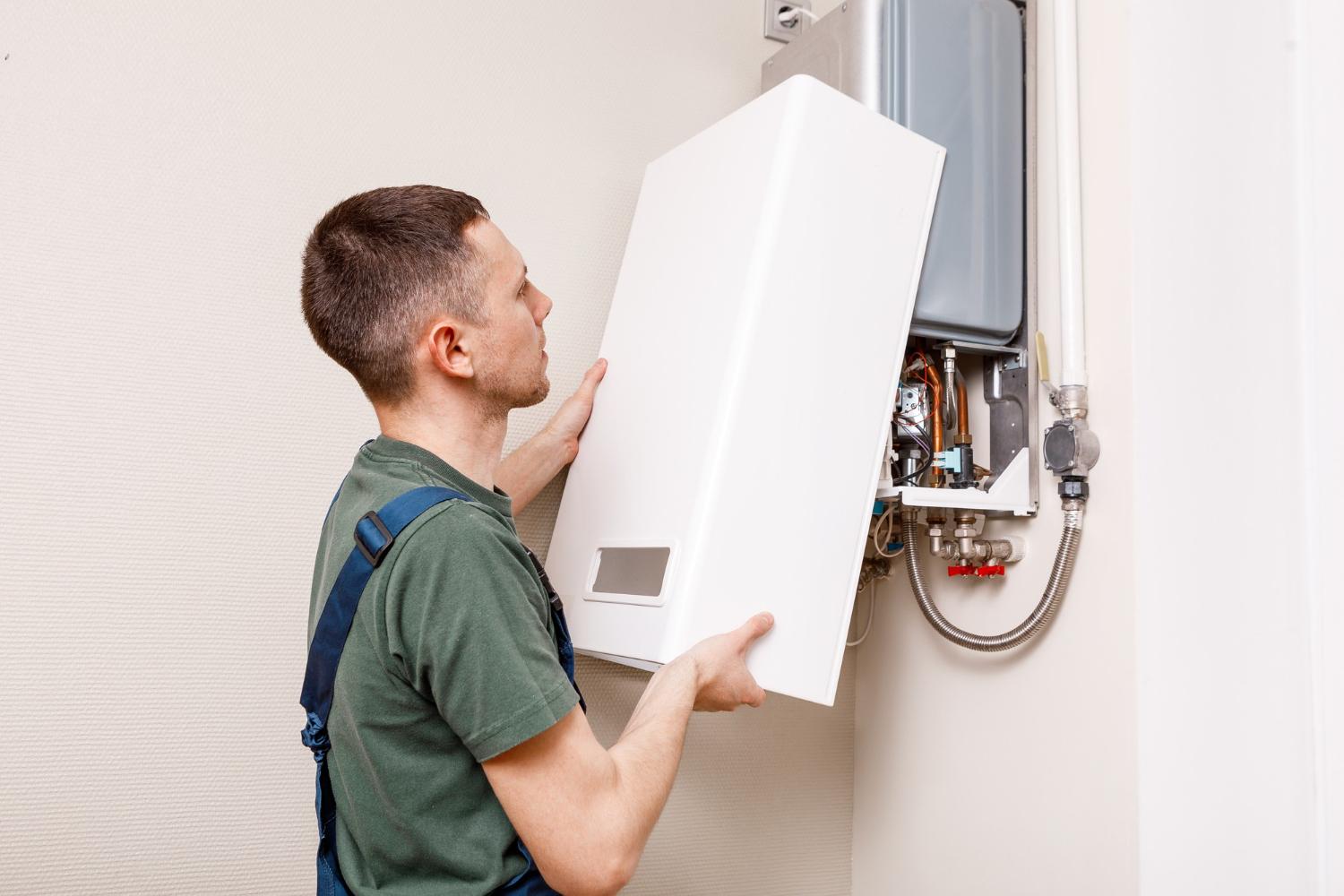
A boiler plays an important role in keeping a home warm during colder months. Unlike forced-air heating systems, many boilers distribute heat through radiators, baseboard units, or radiant floor systems. Choosing the right boiler involves more than selecting a model from a catalog. Homeowners need to consider the size of their property, existing heating equipment, energy use, and the condition of the home's heating components.
Residential heating efficiency is one factor worth considering before making a decision. A properly selected boiler can provide steady warmth while helping manage energy consumption. However, the results depend on the home's insulation, system design, installation quality, and regular maintenance. Taking time to assess these details can help homeowners avoid common problems and make a more informed investment.
1. Check Your Home's Heating Requirements
Before choosing a boiler, consider how much heat your home needs. The correct system depends on several factors, including the property's square footage, ceiling height, insulation, window quality, and layout.
A larger boiler is not automatically a better choice. Equipment that produces more heat than necessary may cycle on and off too frequently, potentially reducing efficiency and increasing wear. A boiler that is too small may struggle to maintain comfortable indoor temperatures during particularly cold weather.
A professional heating assessment can help determine the appropriate capacity. Rather than relying only on the size of an existing unit, a technician can evaluate the home's actual heating demand and recommend a suitable replacement.
Consider Room-to-Room Comfort
Some homes have rooms that consistently feel colder than others. This can happen because of poor insulation, air leakage, radiator sizing, or an unevenly balanced heating system.
Identifying these issues before installation can help homeowners decide whether the project should include additional improvements. Replacing a boiler without addressing existing heat distribution problems may not solve every comfort concern.
2. Compare Different Boiler Types
Boilers come in several configurations, and each option serves different household needs. Understanding the main differences can help homeowners narrow down their choices.
Combi Boilers
Combination boilers provide central heating and hot water from one compact unit. They generally do not require a separate hot-water storage tank, making them attractive for homes with limited space.
However, their performance depends on factors such as incoming water pressure and simultaneous hot-water demand. Larger households may need to consider whether a combination system can comfortably serve multiple bathrooms or fixtures.
System Boilers
System boilers work with a separate hot-water storage cylinder. Many of the main heating components are built into the boiler, which can simplify installation compared with some traditional arrangements.
They may suit households that regularly need hot water in several locations. The storage cylinder does require additional space, so homeowners should consider the available utility room, cupboard, or storage area.
Conventional Boilers
Conventional boilers typically work with a hot-water cylinder and a feed-and-expansion tank, depending on the system design. They can be suitable for properties with an existing traditional heating setup.
Keeping a similar system may reduce the need for extensive changes to the home's plumbing. Still, a replacement should be assessed on its own merits rather than selected solely because it matches the previous boiler.
3. Evaluate Energy Efficiency
A new boiler can be an opportunity to review household energy use. Modern equipment may offer improved efficiency compared with older systems, but the actual savings depend on the previous boiler's condition, fuel prices, controls, and how the heating system is operated.
Check the manufacturer's efficiency information and compare suitable models on a like-for-like basis. A qualified installer can explain how each option may perform in your particular home.
Look Beyond the Boiler Itself
The boiler is only one part of a home's heating system. Poor insulation, gaps around windows, uninsulated pipes, and incorrectly adjusted controls can contribute to unnecessary heat loss.
Homeowners may improve overall performance by considering practical upgrades alongside the installation. These might include improving attic insulation, sealing drafts, insulating accessible heating pipes, or installing suitable programmable controls.
A well-maintained heating system also matters. Routine servicing can help identify developing issues and keep equipment operating according to the manufacturer's requirements.
4. Inspect Existing Pipes and Radiators
A new boiler may connect to an older network of pipes and radiators. Before installation, these components should be checked for leaks, corrosion, restricted circulation, and other signs of wear.
Old heating water can contain debris or accumulated deposits that interfere with system performance. Depending on the condition of the equipment, an installer may recommend cleaning or flushing the system before connecting the replacement boiler.
Check Radiator Performance
Radiators should heat appropriately when the system is operating. Cold areas, unusual noises, or repeated problems with heating circulation may indicate that further inspection is needed.
Balancing the radiators can help distribute heat more evenly throughout the property. In some cases, a technician may also recommend replacing damaged valves or addressing sections of pipework that restrict circulation.
These checks can help protect the new boiler from problems caused by the older heating network.

5. Plan for Ventilation and Safe Installation
Boiler installation involves more than removing an old unit and connecting a new one. The location, ventilation requirements, exhaust arrangements, fuel supply, and access for future servicing must all be considered.
Requirements vary according to the boiler type, fuel, property layout, and applicable local codes. A qualified professional should verify the installation location and confirm that the planned setup meets relevant safety requirements.
Gas-fired equipment requires particular attention to the fuel connection and exhaust system. Improper installation can create serious safety hazards, so homeowners should not attempt gas connections or other specialized boiler work themselves.
It is also helpful to keep the surrounding area accessible. Clear access makes routine inspections and future repairs easier and allows technicians to work safely.
6. Prepare for Installation Day
Planning ahead can make the replacement process more manageable. Before the scheduled appointment, homeowners should discuss the expected work with the installer and ask how the heating system will be affected during the process.
Useful questions include:
-
How long is the installation expected to take?
-
Will any pipework or electrical connections need to be changed?
-
Does the quote include removal of the old boiler?
-
Will the system require cleaning before the new boiler is connected?
-
What testing will be completed before the system is handed over?
-
Which warranties and service documents will be provided?
It is also sensible to move stored items away from the boiler area and ensure the technician has clear access to relevant equipment.
After installation, the installer should explain the main controls, demonstrate normal operation, and provide any required documentation. Homeowners should know how to adjust the temperature, set a heating schedule where applicable, and recognize when professional assistance may be necessary.
7. Understand the Cost of Boiler Replacement
The total cost of a boiler project depends on more than the equipment price. Labour, installation complexity, changes to pipework, removal of existing equipment, system cleaning, and control upgrades may all affect the final quote.
Getting more than one detailed estimate can help homeowners compare the scope of work. The lowest initial price may not represent the best overall value if important installation tasks or necessary components are excluded.
Ask each installer to explain what the quote covers and whether additional costs could arise if hidden problems are discovered. It is also worth checking the warranty terms and whether ongoing servicing is required to maintain coverage.
Homeowners planning Boiler Installation in Detroit, MI should consider the local winter climate when discussing heating capacity, system condition, and reliable operation with a qualified heating professional. A system that is selected and installed correctly can help support consistent indoor comfort during cold weather.
8. Keep the New System in Good Condition
Regular care can help a boiler remain dependable throughout its service life. Follow the manufacturer's maintenance schedule and arrange professional servicing at the recommended intervals.
Between service visits, homeowners can pay attention to changes in system performance. Unusual noises, visible leaks, inconsistent heating, or repeated pressure warnings are reasons to contact a qualified technician rather than ignore the issue.
Keep the area around the boiler clear and avoid storing items where they could obstruct access or ventilation. If the system includes a carbon monoxide alarm, maintain and test it according to the alarm manufacturer's instructions.
Avoid attempting internal repairs or adjusting gas components without the necessary qualifications. Professional inspection is the safer approach when a boiler is not working as expected.
Conclusion
Installing a new boiler is an opportunity to improve home heating, review energy use, and address problems in an aging heating system. Choosing suitable equipment, inspecting existing radiators and pipes, planning for safe installation, and comparing complete quotes can help homeowners make a practical decision.
Once the new system is installed, proper operation and regular professional maintenance can help support dependable heating for years to come.

 English
 French
 Spanish
 Portuguese
 Deutsch
 Turkish
 Dutch
Dutch
 Italiano
 Russian
 Romaian
 Portuguese (Brazil)
 Greek
Greek