


What Should Businesses Know About Commercial HVAC Repair in New Hill NC?
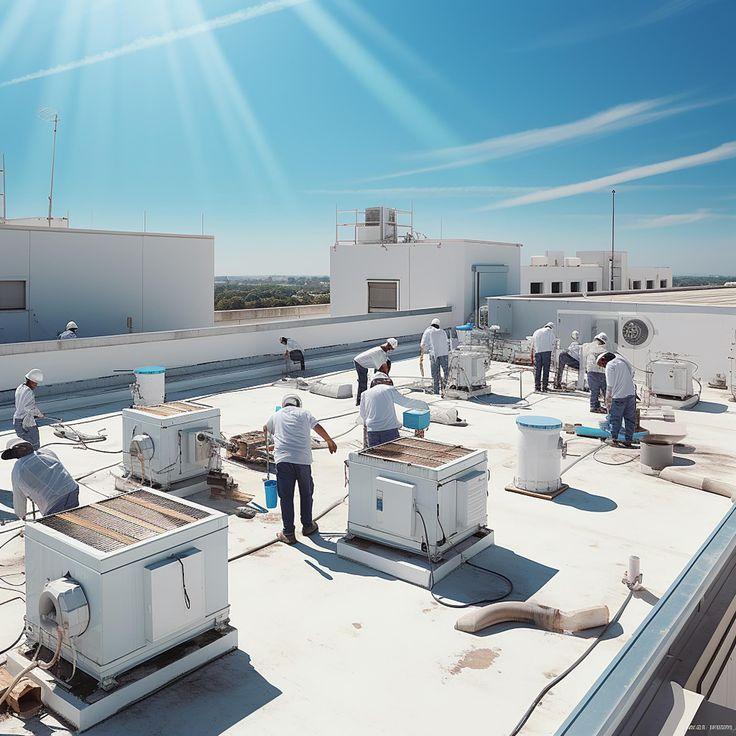
Commercial heating and cooling systems play an important role in keeping workplaces comfortable, protecting equipment, and supporting daily business operations. When an air conditioner stops cooling or a heating system struggles to maintain a steady temperature, employees and customers may notice the difference quickly. Understanding Commercial HVAC Repair in New Hill NC helps business owners recognize early warning signs, respond to equipment problems, and make informed decisions about repairs. From unusual noises and rising energy bills to poor airflow and thermostat issues, small changes can point to larger mechanical concerns. Knowing when to troubleshoot and when to call a qualified technician can help reduce downtime, protect equipment, and maintain a comfortable indoor environment throughout the year.
Why Is Commercial HVAC Repair Important for Businesses?
Commercial HVAC systems are designed to manage the heating, cooling, and ventilation needs of larger or more complex spaces than most residential systems. Offices, retail stores, restaurants, warehouses, and other commercial buildings may have different temperature requirements depending on their size, layout, occupancy, and equipment.
When a commercial heating and cooling system operates correctly, it helps maintain comfortable indoor temperatures and supports proper air circulation. A malfunctioning system can create uncomfortable conditions, increase operating expenses, and interrupt normal business activities. Understanding Local Commercial HVAC Repair Services in New Hill NC helps business owners recognize early warning signs, respond to equipment problems, and make informed decisions about repairs.
For example, an office with uneven cooling may leave employees working in warm rooms while other areas feel too cold. In a restaurant, ventilation problems may affect indoor comfort and the removal of unwanted heat and odors. A warehouse may experience temperature variations that affect stored materials or certain equipment.
Professional commercial HVAC repair can address these problems by identifying the underlying cause rather than simply treating the visible symptom. A technician may inspect electrical connections, refrigerant levels, filters, blower components, thermostats, and other parts, depending on the system and reported issue.
Prompt attention is especially important when a system serves several rooms or an entire building. A problem that begins with one component may eventually affect overall performance if it remains unresolved.
What Are the Warning Signs That a Commercial HVAC System Needs Repair?
Recognizing early warning signs can help business owners arrange service before a minor issue becomes a major disruption. Although some problems have simple causes, others require professional testing and repair.
Uneven Temperatures and Weak Airflow
If certain rooms remain warm while others become too cold, the system may have airflow restrictions, thermostat problems, damaged ductwork, or an issue with its controls.
Weak airflow from supply vents can also indicate a clogged filter, blower motor trouble, blocked ducts, or other mechanical concerns. Replacing an accessible filter may help when it is dirty, but persistent airflow problems need further inspection.
Strange Noises or Unusual Odors
Grinding, banging, rattling, or persistent squealing sounds may indicate loose components, worn bearings, or mechanical problems. The meaning of a sound depends on the equipment, so it is best not to assume that every noise has the same cause.
Burning smells, smoke, or signs of electrical overheating deserve immediate attention. Turn off the equipment if it is safe to do so, keep people away from the affected area, and contact a qualified professional. If there is smoke or a fire, follow emergency procedures.
Rising Energy Bills
A sudden increase in electricity use without a clear change in operating hours may suggest that the system is working harder than necessary. Dirty coils, refrigerant problems, failing motors, incorrect controls, or poor airflow can reduce efficiency.
Frequent Cycling or System Shutdowns
An HVAC unit that repeatedly starts and stops may have a thermostat issue, restricted airflow, an electrical fault, or a control problem. Repeated shutdowns should not be ignored because continued operation may place extra stress on system components.
How Can Businesses Troubleshoot HVAC Problems Safely?
Some basic checks can help identify simple problems before a service visit. However, commercial HVAC equipment contains electrical components, moving parts, and potentially pressurized refrigerant circuits. Business owners should avoid opening equipment panels or attempting repairs beyond their training.
Start by checking the thermostat settings. Confirm that the system is set to the correct operating mode and that the temperature setting is appropriate for the space. If the building uses a programmable or networked control system, review its schedule and settings for unexpected changes.
Next, inspect accessible air filters. A heavily clogged filter can restrict airflow and reduce system performance. Replace it according to the equipment manufacturer's instructions and the building's maintenance plan.
Business owners can also check whether supply and return vents are blocked by furniture, stored products, or other objects. Make sure outdoor equipment has adequate clearance and that visible debris is not obstructing airflow, following the manufacturer's safety guidance.
Record the symptoms, including when they began, which areas are affected, and whether the problem occurs at particular times of day. This information can help a technician narrow down possible causes.
Avoid repeatedly resetting a breaker that trips, bypassing safety switches, handling refrigerant, or attempting electrical repairs. If the system has a burning odor, exposed wiring, smoke, or another serious warning sign, stop using it when safe and seek qualified assistance.
What Does Commercial HVAC Repair in New Hill NC Usually Involve?
The repair process depends on the equipment type, the age of the system, and the symptoms reported. Commercial buildings may use rooftop units, split systems, heat pumps, packaged equipment, or more complex systems with multiple zones.
A professional service visit generally begins with an assessment of the reported problem. The technician may review operating conditions, inspect the equipment, check system controls, and perform appropriate electrical or mechanical tests.
Once the likely cause is identified, the technician should explain the recommended repair and any relevant alternatives. The scope of work may include replacing a failed component, correcting an airflow restriction, repairing a control fault, or addressing a refrigerant leak.
Common commercial HVAC repair tasks include:
-
Air conditioning repair: Addressing cooling failures, frozen coils, compressor issues, or refrigerant-related problems.
-
Heating system repair: Diagnosing ignition failures, heat pump problems, faulty controls, or heating components that no longer operate correctly.
-
Thermostat and control repair: Correcting inaccurate temperature readings, scheduling problems, or communication issues.
-
Blower and airflow repair: Investigating weak airflow, unusual fan noises, and motor or duct-related concerns.
-
Electrical troubleshooting: Identifying faulty connections, capacitors, contactors, or other electrical components.
-
Ventilation troubleshooting: Investigating inadequate air movement, malfunctioning fans, or related ventilation concerns.
The technician should test the equipment after completing the work and explain any remaining concerns. If a repair cannot be completed immediately because parts are unavailable, ask about temporary operating arrangements that are safe for the building and its occupants.
How Much Does Commercial HVAC Repair Cost?
The cost of commercial HVAC repair varies according to the fault, equipment type, accessibility, parts required, and labor involved. A simple control adjustment or minor component replacement generally involves less work than a major compressor repair or a complicated electrical diagnosis.
Building owners should request a clear estimate before authorizing significant repairs. The estimate should identify the problem, recommended work, expected parts and labor charges, and any diagnostic or emergency service fees.
| Repair factor | How it may affect cost |
|---|---|
| Type of failure | Major component failures usually require more work than simple adjustments |
| Equipment accessibility | Rooftop units or difficult-to-reach equipment may require additional labor or access arrangements |
| Replacement parts | Part availability, equipment model, and component price can affect the estimate |
| Emergency timing | After-hours or urgent service may carry additional fees |
| System complexity | Multiple zones, advanced controls, and integrated systems can require more diagnostic time |
| Equipment condition | Older or poorly maintained systems may have several related problems |
The lowest initial estimate is not always the most economical option. A repair that does not address the underlying fault may lead to repeat service calls and additional downtime.
Ask whether the proposed repair includes testing, whether replacement parts carry a warranty, and whether the technician found other issues that could affect reliable operation. If the equipment has experienced repeated failures, compare the cost of further repairs with the potential benefits of replacement.
How Can Preventive HVAC Maintenance Reduce Breakdowns?
Preventive maintenance helps identify developing problems before they cause unexpected equipment failures. It also gives building managers an opportunity to review system performance, keep service records, and plan repair expenses.
A maintenance schedule should reflect the equipment manufacturer's recommendations, operating conditions, building occupancy, and the demands placed on the system. A busy commercial property may need more frequent attention than a building with limited operating hours.
Important maintenance tasks include inspecting and replacing filters as needed, cleaning coils when appropriate, checking condensate drainage, examining electrical connections, and confirming that thermostats and controls operate correctly. Technicians may also inspect belts, fans, motors, and other components where applicable.
Seasonal inspections are useful before periods of heavy heating or cooling demand. In North Carolina, hot, humid summers can place substantial demands on cooling equipment, while colder weather makes dependable heating important for occupied buildings.
Building managers can support professional maintenance by keeping outdoor units clear, reporting unusual noises promptly, and tracking recurring temperature complaints. They should also maintain records of repair dates, replaced parts, and observed performance changes.
Preventive maintenance does not eliminate every breakdown. However, it can help reveal worn components, airflow problems, and other conditions that may otherwise go unnoticed until the system fails.
How Should Businesses Choose a Commercial HVAC Repair Provider?
Choosing a qualified service provider involves more than comparing prices. Commercial systems vary widely, so businesses should look for technicians with experience relevant to their equipment and building requirements.
Start by asking whether the provider services the specific system installed at the property. A technician familiar with rooftop units may have different experience from one who primarily works on residential split systems.
It is also useful to confirm that the company maintains appropriate licensing, insurance, and qualifications for the work being performed. North Carolina licensing requirements can depend on the scope of the work, so business owners should verify applicable requirements rather than assume every service call falls under the same rules.
Before approving a repair, consider these questions:
-
Does the provider explain the diagnosis and proposed solution clearly?
-
Can the company provide a written estimate and explain potential additional charges?
-
Are parts, labor, and warranty terms documented?
-
Does the provider understand the building's operating hours and business needs?
-
Can the company explain whether the repair is urgent or can be scheduled?
-
Will the technician test the system after the repair?
Clear communication matters because commercial HVAC problems can affect employees, customers, tenants, and daily operations. A reliable provider should explain the options without pressuring the customer into unnecessary work. Air Secure Inc is a commercial HVAC service option for businesses researching heating and cooling support in the New Hill area. Property managers can learn more about commercial HVAC services when evaluating providers and planning service for their building.
What Common HVAC Repair Mistakes Should Businesses Avoid?
One common mistake is ignoring early symptoms because the system still turns on. Equipment can continue operating while a component deteriorates, and delaying diagnosis may allow a relatively small issue to affect other parts.
Another mistake is relying only on thermostat adjustments when the real problem involves airflow, electrical components, or refrigeration. Adjusting the temperature repeatedly does not resolve a mechanical fault.
Businesses should also avoid replacing parts based on guesswork. Without proper testing, a new component may fail to solve the problem because the actual cause remains unresolved.
Poor maintenance records create another challenge. When previous repairs, filter changes, and recurring complaints are not documented, technicians may have less information available during diagnosis.
Finally, business owners should not assume that every older system needs immediate replacement. Some systems can provide dependable service after appropriate repairs and maintenance. Others may be approaching the point where repeated repair costs, energy use, or reliability concerns make replacement worth considering.
A professional assessment can help compare the available options based on the equipment's condition, repair history, operating requirements, and expected future needs.
Frequently Asked Questions About Commercial HVAC Repair
How Often Should Commercial HVAC Systems Be Serviced?
Commercial HVAC systems should be maintained according to the manufacturer's recommendations and the building's operating conditions. Many businesses arrange professional inspections at least seasonally or before periods of peak heating and cooling demand. High-use facilities may need more frequent service.
What Is the Most Common Cause of Commercial HVAC Problems?
There is no single cause for every commercial building. Dirty filters, airflow restrictions, thermostat issues, worn components, electrical faults, and drainage problems are among the issues technicians may encounter. Proper diagnosis is necessary to identify the cause in a particular system.
Should a Business Repair or Replace Its HVAC System?
The decision depends on equipment condition, repair history, efficiency, reliability, and the cost of the proposed work. Repair may be reasonable when the problem is isolated and the system remains in good condition. Replacement deserves consideration when failures recur or major repairs no longer make financial sense.
Can Businesses Operate During Commercial HVAC Repairs?
That depends on the nature of the fault, indoor conditions, and the type of business. Some repairs can be completed while other areas remain open, while serious electrical hazards or unsafe indoor temperatures may require shutting down affected spaces. Follow the technician's safety guidance and applicable workplace requirements.
What Should Businesses Do When Their HVAC System Stops Working?
Check basic thermostat settings and accessible filters if it is safe to do so. Note any unusual sounds, odors, or error messages, and contact a qualified commercial HVAC technician. Do not open electrical panels, handle refrigerant, or repeatedly reset a tripping breaker.
Conclusion
Understanding Affordable Commercial HVAC Repair Services helps business owners recognize warning signs, respond to equipment problems, and make better decisions about maintenance and repair costs. Uneven temperatures, weak airflow, unusual noises, rising energy bills, and repeated shutdowns can all indicate that a system needs professional attention.
Regular maintenance, accurate service records, and prompt troubleshooting can help businesses reduce avoidable disruptions and maintain comfortable indoor conditions. When a problem develops, compare repair options carefully and make sure the recommended work addresses the underlying cause.
Air Secure Inc can be considered when researching commercial heating and cooling service options in the New Hill area. If your building is experiencing recurring HVAC problems, arrange a professional assessment to identify the issue and determine the most appropriate next step.

 Arabic
 French
 Spanish
 Portuguese
 Deutsch
 Turkish
 Dutch
Dutch
 Italiano
 Russian
 Romaian
 Portuguese (Brazil)
 Greek
Greek