


How Intelligent Electrical Systems Improve Industrial Control and Integration
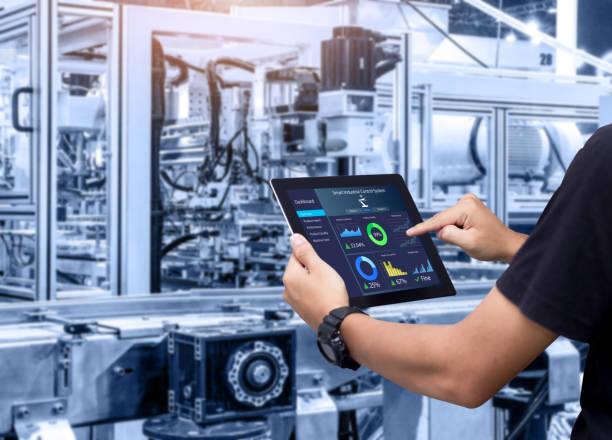
Industrial facilities utilize electrical control systems to manage equipment and maintain production. But as facilities become more connected, simply having a control system in place is not sufficient. Businesses need a better way to collect, manage, and access information from electrical equipment.
This is where system integration becomes important. By connecting electrical systems with plant control and automation systems, businesses can bring important operating information into one place. Workers can then get a clearer view of what is happening across the facility without having to rely on separate systems or manually check equipment.
Traditional electrical control systems can pose a challenge. Many are wired and operate in isolation from the primary process control system. In some instances, electrical information is only accessible in the electrical room, e-house, or substation. This can not only slow down the troubleshooting process, but also require operators to enter potentially hazardous areas.
Modern intelligent systems offer a much more pragmatic solution.
Bringing Electrical and Control Systems Together
Intelligent electrical equipment can be connected to automation and process control systems through industrial communication networks, moving away from storing electrical information in isolation. As a connected system, this information, relevant to operators, can be brought into the same control architecture used to monitor and manage the plant. This information can include, but is not limited to:
-
Equipment status
-
Electrical faults
-
Alarm conditions
-
Operating conditions
-
Power quality
-
Energy consumption
-
Breaker status
-
Equipment events
Having access to this information in a connected system gives operators a more comprehensive view of the plant, as well as providing more information to support fault-finding activities. An experienced Allen Bradley system integrator can help connect control hardware, PLCs, HMIs, networks, and other industrial equipment together as part of an integrated automation solution.
Better Visibility for Plant Operators
Perhaps the most notable benefit of an integrated electrical control system is its enhanced visibility.
By connecting electrical equipment to the plant automation system, operators can gain visibility of critical information without having to check across multiple systems. And, with greater access to this information, operators will be able to quickly identify what went wrong and where. For example, an unexpected change in electrical loading could potentially have an impact on further equipment downstream. With a more integrated and informed approach, operators will have access to the necessary information to identify the root cause of electrical issues, helping to prevent process interruptions.
The same approach can be applied to monitoring power quality and energy consumption. Unusual increases or decreases in energy consumption can often be an indication of a problem. As with electrical fault finding, having access to this information provides maintenance and operations teams with a further opportunity to troubleshoot.
Improving Safety through Remote Access
Electrical troubleshooting can come with a number of safety considerations, especially where high voltage equipment and substations are concerned. A connected electrical system allows operators to have greater access to the necessary information without having to physically enter electrical rooms or access areas. Depending on the system and application, electrical conditions, alarms, equipment status, and more can be viewed from a remote operator station.
Depending on the application and system requirements, remote operation of electrical equipment can also be implemented, provided appropriate and necessary safety measures are taken.
While safety considerations should never be overlooked, a connected electrical system can give operators the information without the exposure.
How System Integration Benefits Integrators
For system integrators, the process of connecting electrical equipment to an industrial automation system can require a considerable amount of engineering work. Every project presents its own unique challenges and requirements. Without a more structured approach to system integration, integrators can find themselves spending a large amount of time developing, testing, and commissioning similar functions across different projects.
By utilising standardised programming structures, HMIs, templates and integration approaches, this engineering effort can be reduced significantly. For projects based on Allen-Bradley control systems, an Allen-Bradley system integrator can help to implement PLC programming, HMI development, control panel integration, industrial networking and commissioning. Rather than rebuilding or redeveloping existing solutions from scratch, integrators can leverage these proven techniques to meet the requirements of the facility.
This approach can provide benefits for both the system integrator and the end-user, including:
-
Faster system development
-
More consistent PLC programming
-
Easier testing and commissioning
-
Simpler troubleshooting
-
Reduction in engineering time
-
Improved system longevity and support
The end result will be a system that is easier to manage and support, rather than reinventing the wheel for every project.
Connecting Heterogeneous Industrial Devices
Industrial facilities of today can comprise equipment from a number of manufacturers and across a range of generations. As such, connectivity can be one of the biggest challenges for system integration projects. Industrial communication protocols such as IEC 61850 and EtherNet/IP can be leveraged, where applicable, to share information between electrical equipment, controllers and higher-level automation systems. Additionally, interfaces may be required where legacy equipment and networks need to be incorporated.
A well-designed communication architecture will ensure critical information is delivered to the right places in a timely and reliable manner.
This is an essential consideration for industrial system integration, where collecting data is only useful if it can be made accessible to others.
Planning Integration Before Installation
Good system integration always begins before any equipment is installed. Performance, network requirements, communication methods, control architectures, and data requirements must all be considered. Getting these aspects right will ensure unnecessary costs and modifications are avoided during the commissioning process. Testing communication and control functions before system deployment will further help to reduce the time spent during commissioning.
For industrial projects, this can be the difference between a system that is functional and a system that is production-ready. Identifying potential concerns at the design phase will be considerably simpler to resolve than issues discovered during the commissioning of process equipment.
A More Connected Approach to Industrial Automation
Industrial facilities continue to embrace greater levels of connectivity. Electrical systems are an intrinsic component of this transition. By correctly integrating electrical equipment, PLCs, HMIs, process control systems and industrial networking together, operators will have access to more information and a better insight into plant performance.
In the case of Allen-Bradley automation equipment, choosing the right Allen-Bradley system integrator will further help to accelerate the process by connecting the control system, electrical equipment, industrial networks, and operator interfaces into an integrated automation solution. The right approach to system integration can greatly benefit an operation, from improving plant visibility to reducing the time required to develop and commission new control systems.
For companies looking to develop a new automation project or upgrade an existing control system, working with an experienced system integrator will greatly benefit the process of connecting electrical and automation systems together.
Frequently Asked Questions
What does an Allen Bradley system integrator do?
An Allen-Bradley system integrator helps businesses design, program, integrate, and commission industrial automation systems using Allen-Bradley control equipment. This can include PLCs, HMIs, industrial networks, control panels, and related automation equipment.
Why is electrical system integration important for industrial facilities?
Electrical system integration brings information from electrical equipment into the plant's automation and control system. This gives operators better visibility into equipment status, alarms, faults, energy usage, and operating conditions.
Can Allen-Bradley systems work with other industrial equipment?
Yes. Allen-Bradley control systems can communicate with a range of industrial devices and equipment when the appropriate communication protocols, networks, and interfaces are used. Proper system planning is important when integrating equipment from different manufacturers.
How can an integrated control system improve troubleshooting?
An integrated system can bring equipment status, alarms, faults, and operating data into a central interface. Maintenance and operations teams can use this information to identify problems more quickly and understand what may have caused an interruption.
Can electrical equipment be monitored remotely?
Depending on the system design, electrical equipment can be connected to a control network so operators can monitor status, alarms, and other information from a remote workstation. Remote monitoring can also reduce the need to enter certain electrical areas for routine checks.

 English
 Arabic
 Spanish
 Portuguese
 Deutsch
 Turkish
 Dutch
Dutch
 Italiano
 Russian
 Romaian
 Portuguese (Brazil)
 Greek
Greek