


The Impact of Antibiotic Resistance on the Cephalosporin Industry
Injectable cephalosporins remain relevant in healthcare settings where parenteral antibiotic administration is clinically appropriate. These formulations may be used in hospitals and other medical facilities to treat selected bacterial infections requiring supervised treatment. Demand is influenced by hospital admissions, infection management practices, medicine availability, and the clinical suitability of individual antibiotics.
Market Overview
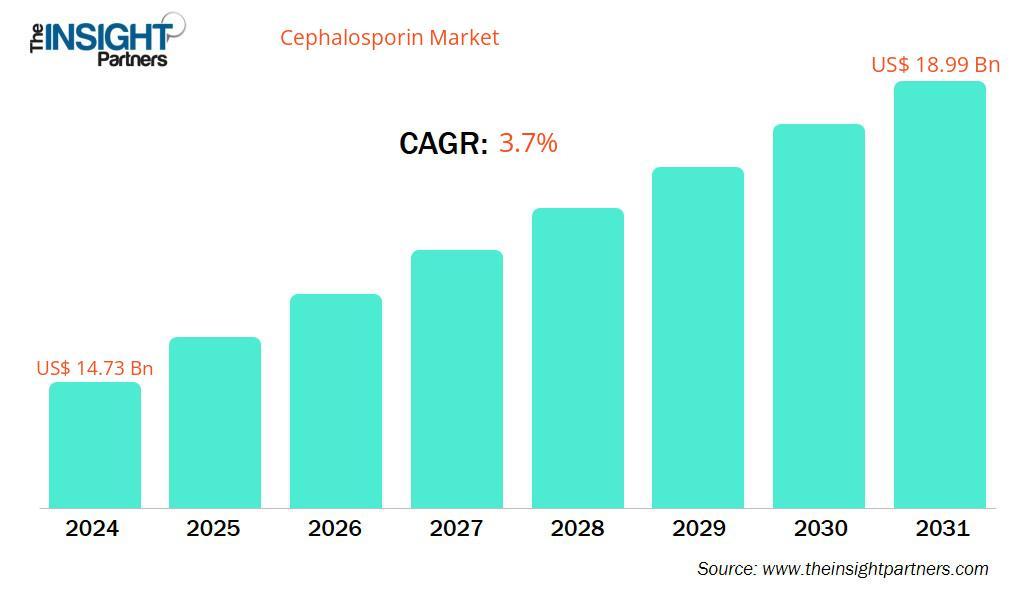
The global Cephalosporin Market was valued at US$ 14.73 billion in 2024 and is expected to reach US$ 18.99 billion by 2031, registering a CAGR of 3.7% from 2025 to 2031. The market is gaining attention as healthcare providers and pharmaceutical companies continue to address the treatment of bacterial infections. Increasing demand for antibiotics across hospitals, clinics, and retail pharmacies is contributing to market development.
Cephalosporins are categorized into different generations, including first-, second-, third-, fourth-, and fifth-generation drugs. The market also includes branded and generic products, with intravenous and oral administration routes serving different treatment requirements. Growing interest in antibiotic innovation, the development of newer cephalosporins, and efforts to address resistant bacterial infections are influencing the competitive landscape. <Cite refs={["turn335460view0"]}/>
Download Sample PDF: https://www.theinsightpartners.com/sample/TIPRE00004077
Increasing Prevalence of Bacterial Infections
The increasing prevalence of bacterial infections is an important factor supporting the Cephalosporin Market. Bacterial infections affecting the respiratory tract, skin, urinary tract, and other parts of the body create demand for appropriate antibiotic treatments. Cephalosporins are used against susceptible bacterial pathogens, making them relevant to a range of clinical treatment settings.
The growing need to manage bacterial infections across healthcare systems is supporting demand for antibiotic medicines. Hospitals, clinics, and pharmacies remain important channels for accessing these treatments. Continued attention to infection management and the availability of different cephalosporin generations are contributing to market activity.
Growing Concerns About Antibiotic Resistance
Antibiotic resistance is a significant challenge for healthcare providers and pharmaceutical manufacturers. Resistant bacteria can reduce the effectiveness of existing treatments and complicate the management of infections. This challenge is encouraging pharmaceutical companies to investigate and develop antibiotic options that can address specific resistant pathogens.
Research into newer cephalosporins and improved treatment approaches is creating opportunities for pharmaceutical innovation. Manufacturers are focusing on drug development and treatment options designed for appropriate clinical applications. However, the effectiveness of individual medicines depends on the bacterial pathogen, susceptibility patterns, and clinical circumstances. Appropriate antibiotic use and antimicrobial stewardship remain important considerations.
Technological Innovations in Drug Development
Advancements in pharmaceutical research and drug development are contributing to the evolution of the Cephalosporin Market. Improvements in drug discovery, formulation development, and pharmaceutical manufacturing can support the development of new products and enhance existing treatment options. Research into compounds with improved activity against selected bacterial strains is an important area of industry interest.
Pharmaceutical companies are exploring technologies that can improve the development and evaluation of antibiotic candidates. These efforts may help address unmet treatment needs and support the introduction of additional products. Innovation, regulatory compliance, product quality, and manufacturing capabilities remain important factors influencing competition in the market.
Increasing Demand for Oral Cephalosporins
The growing preference for convenient treatment options is supporting interest in oral cephalosporins. Oral formulations can be suitable for patients who require treatment for susceptible bacterial infections and are able to take medication by mouth. They may also support outpatient treatment when clinically appropriate, reducing the need for intravenous administration in selected cases.
The availability of oral and intravenous formulations allows healthcare professionals to select treatment according to infection severity, patient condition, and clinical requirements. Pharmaceutical manufacturers are responding to different treatment needs through branded and generic products. Demand across these formulations is influenced by prescribing practices, healthcare access, and the suitability of each medicine for a particular infection.
Expansion of Combination Therapies
Combination therapies are another area of development in the Cephalosporin Market. In selected clinical situations, cephalosporins may be combined with other agents, including beta-lactamase inhibitors, to address certain bacterial resistance mechanisms and broaden treatment options. These approaches are particularly relevant when healthcare professionals need to manage infections caused by specific resistant organisms.
Pharmaceutical research into combination products is creating opportunities for manufacturers to develop treatments for selected clinical needs. The adoption of these therapies depends on clinical evidence, regulatory approval, bacterial susceptibility, and applicable treatment guidelines. Continued attention to antimicrobial resistance is expected to influence research and product development across the antibiotic sector.
Expansion in Emerging Markets
Improving healthcare infrastructure and access to medicines in emerging economies are creating opportunities for the Cephalosporin Market. Expanding hospital networks, increasing availability of pharmaceutical products, and developments in healthcare delivery can support access to antibiotic treatments across different regions.
Asia Pacific, South and Central America, and other emerging markets are important areas for regional market analysis. Pharmaceutical companies may focus on manufacturing, distribution networks, and the availability of branded and generic medicines to strengthen their market presence. Regional growth, however, depends on healthcare expenditure, regulatory requirements, medicine affordability, and access to appropriate diagnosis and treatment.
Top Players in the Cephalosporin Market
According to The Insight Partners, key companies profiled in the Cephalosporin Market include:
-
AbbVie
-
Teva Pharmaceuticals USA, Inc.
-
F. Hoffmann-La Roche Ltd.
-
GlaxoSmithKline plc
-
Lupin
-
Sun Pharmaceutical Industries Ltd.
-
Novartis AG
-
Pfizer Inc.
-
Alkem Labs
-
Cipla Ltd.
The Cephalosporin Market is segmented by generation, type, route of administration, application, and geography.
By Generation
-
First-generation cephalosporins
-
Second-generation cephalosporins
-
Third-generation cephalosporins
-
Fourth-generation cephalosporins
-
Fifth-generation cephalosporins
By Type
-
Branded
-
Generic
By Route of Administration
-
Intravenous
-
Oral
By Application
-
Respiratory tract infections
-
Skin infections
-
Ear infections
-
Urinary tract infections
-
Sexually transmitted infections
-
Other applications
By Geography
-
North America
-
Europe
-
Asia Pacific
-
South and Central America
Future Outlook
The future of the Cephalosporin Market is expected to be influenced by the continued need to treat bacterial infections, concerns about antimicrobial resistance, and advances in pharmaceutical research. The development of newer cephalosporins, growing interest in combination therapies, and demand for oral treatment options are important trends shaping the market.
Pharmaceutical companies may continue to focus on drug development, generic product availability, manufacturing efficiency, and distribution capabilities. Expanding healthcare access in emerging economies may also create opportunities for market participants. At the same time, antibiotic resistance, regulatory requirements, pricing pressures, and the need for responsible antibiotic use will remain important considerations.
Overall, the Cephalosporin Market is expected to remain an important part of the global antibiotics sector. Its development through 2031 will depend on infection treatment needs, pharmaceutical innovation, market access, and the availability of effective antibiotics for susceptible bacterial pathogens.
Related Reports –
Antibiotics Market Key Players and Opportunities by 2028
Cephalexin Market Size, Share & Growth by 2034
About Us
The Insight Partners, we provide comprehensive analysis and insights into market trends that empower businesses to make informed decisions. Our reports are designed to equip stakeholders with the necessary information to navigate the complexities of various industries, including healthcare, technology, and finance. We are dedicated to delivering high-quality research that enables our clients to achieve their strategic objectives.
Contact Us:
Contact Person: Ankit Mathur
E-mail: [email protected]
Phone: +1-646-491-9876
Also Available in : Korean German Japanese French Chinese Italian Spanish

 English
 Arabic
 French
 Portuguese
 Deutsch
 Turkish
 Dutch
Dutch
 Italiano
 Russian
 Romaian
 Portuguese (Brazil)
 Greek
Greek