


What Affects Beard Growth After Beard Hair Transplant in Dubai?
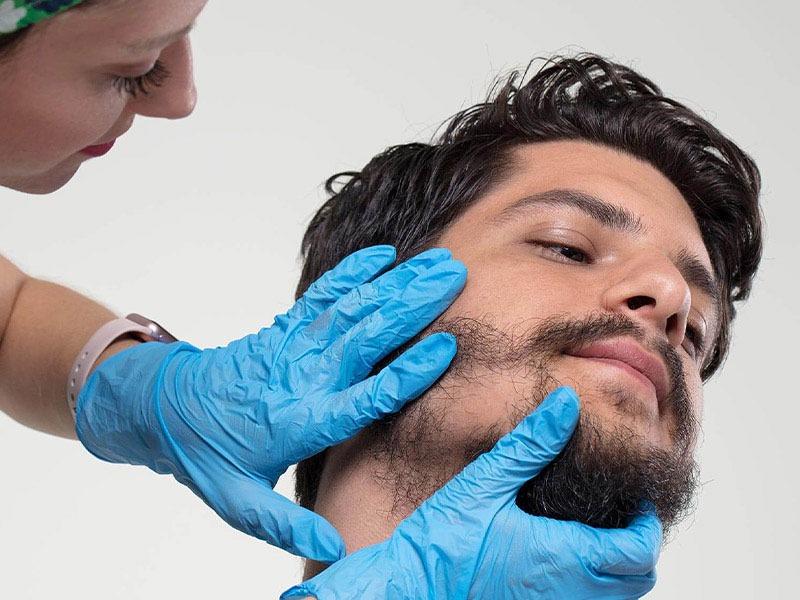
Beard hair transplantation can help individuals achieve a fuller beard, improve facial hair coverage, and address patchy areas. However, the final outcome depends on several factors, including the quality of the donor hair, graft survival, implantation technique, aftercare, and individual hair-growth patterns. Understanding these influences helps patients develop realistic expectations and follow an appropriate recovery plan.
The initial weeks after surgery may involve redness, mild swelling, scabbing, and temporary shedding of transplanted hairs. This shedding is generally a normal part of the hair-growth cycle and does not necessarily mean the procedure has failed. New growth typically becomes noticeable over the following months, while visible changes in thickness and coverage continue to develop gradually.
When considering a Beard Hair Transplant in Dubai, patients should understand that transplanted follicles need time to establish themselves and begin producing new hairs. The final appearance can vary depending on genetics, skin characteristics, the number of grafts used, and how well the transplanted follicles survive.
Postoperative care is equally important. Protecting the treated area, following washing instructions, avoiding unnecessary friction, and attending follow-up appointments can support recovery. Smoking, certain medical conditions, nutritional deficiencies, and poor adherence to aftercare instructions may also affect healing or hair growth.
A well-planned procedure focuses on more than simply adding hair. Natural direction, appropriate density, facial proportions, and a suitable beard outline all contribute to the result. Knowing what influences growth allows patients to make informed decisions and understand when professional assessment may be necessary.
Factors That Influence Beard Growth After Transplantation
Donor Hair Quality and Follicle Survival
Donor hair is commonly obtained from the scalp, often from areas with relatively stable hair growth. The characteristics of these follicles influence the appearance of the transplanted beard, including hair thickness, texture, and growth rate.
Careful extraction, handling, storage, and implantation are important because follicles can be damaged during the procedure. Their survival also depends on the surgical technique and the condition of the recipient skin.
Individual Hair-Growth Cycles
Transplanted hairs do not all grow simultaneously. Some shed during the early recovery period, while the follicles may remain beneath the skin and later produce new strands.
Early growth can appear uneven, with certain areas developing faster than others. This does not automatically indicate a poor result. Beard density and texture usually change over several months, and the final assessment should account for the natural hair-growth cycle.
Graft Placement and Beard Design
The angle and direction of implantation have a substantial effect on the final appearance. Beard hair follows different patterns across the cheeks, jawline, moustache, and chin.
If grafts are placed at unsuitable angles, the hairs may project unnaturally or create an inconsistent texture. Appropriate spacing and distribution help achieve a more balanced appearance while preserving the natural contours of the face.
Skin Condition and Healing
Healthy recipient skin provides a suitable environment for recovery. Irritation, infection, excessive inflammation, or trauma to newly implanted follicles can interfere with healing.
Patients should avoid scratching scabs, rubbing the treated area, or applying unapproved products. Existing skin conditions should be discussed during consultation so that the treatment plan can account for potential healing concerns.
Nutrition and General Health
Hair growth depends on adequate nutrition and overall health. Insufficient protein intake and certain nutritional deficiencies can contribute to hair problems, although supplementation does not guarantee better transplant results.
Patients with persistent hair shedding or suspected deficiencies may benefit from medical assessment. Supplements should be used when appropriate rather than taken in excessive amounts without professional guidance.
Clinical Considerations for Beard Transplant Aftercare
Enfield Royal Clinic
Enfield Royal Clinic is an option for patients exploring facial hair restoration and seeking guidance on postoperative expectations. When evaluating a Beard Hair Transplant in Dubai, patients should discuss donor hair suitability, graft distribution, beard-line design, and the expected timeline for visible growth during consultation.
A detailed assessment should consider facial proportions, existing beard density, skin condition, and the patient's preferred style. Patients should also ask about the qualifications of the practitioner performing the procedure, follicle-handling protocols, follow-up arrangements, and instructions for managing early shedding.
Understanding these details helps patients assess whether the proposed treatment aligns with their goals. The consultation should explain potential limitations, possible complications, and the likelihood that additional treatment may be required to address uneven coverage.
Dubai Cosmetic Surgery Clinic
Dubai Cosmetic Surgery Clinic is another provider patients may investigate when researching cosmetic procedures and facial restoration options. Anyone considering beard transplantation should confirm the availability of the specific service and ask how the treatment plan accounts for natural hair direction and facial symmetry.
Postoperative guidance should cover cleansing, sleeping positions during early recovery, activity restrictions, and warning signs that require medical attention. Patients should also clarify how progress will be monitored and when the results can be evaluated reliably.
King’s College Hospital London Dubai
King’s College Hospital London Dubai may be relevant for individuals who want to explore medical assessment and discuss health-related factors that could influence hair growth. Patients should verify whether the hospital offers the specific transplant procedure or can provide an appropriate referral.
Medical history, medication use, skin conditions, and possible nutritional deficiencies may be relevant when assessing recovery. A healthcare professional can help identify concerns that should be addressed before an elective procedure.
Tajmeels Clinic
Tajmeels Clinic is another name patients may consider when researching cosmetic treatment providers in Dubai. Before proceeding, individuals should confirm the availability of beard transplantation and establish who will perform the procedure.
A suitable consultation should explain the number of grafts proposed, the expected density, the limitations of donor hair, and the approach to creating a natural-looking beard. Patients should also receive clear instructions about protecting the transplanted area during recovery.
Emirates Hospital
Emirates Hospital may be considered by patients seeking a broader healthcare setting in which to discuss relevant medical concerns. The availability of beard transplantation should be confirmed directly, as not every hospital provides every type of hair-restoration procedure.
Patients should disclose medications, allergies, and existing medical conditions before treatment. A clear postoperative plan is important for identifying complications early and distinguishing expected shedding from symptoms that may require examination.
Cocoona Clinic
Cocoona Clinic is another provider to investigate when comparing cosmetic services. Patients should confirm the availability of beard transplantation, the qualifications of the treating practitioner, and the techniques used for graft extraction and implantation.
The consultation should address beard shape, donor-area limitations, expected growth patterns, and the possibility of temporary differences in density. These discussions help establish realistic expectations before treatment begins.
Al Zahra Hospital Dubai
Al Zahra Hospital Dubai may be worth considering for patients who want to investigate medical services relevant to their overall health before undergoing an elective procedure. Prospective patients should confirm whether beard transplantation is available and whether the hospital can provide the required specialist care.
A comprehensive medical history can help identify factors that may affect healing. Patients should also understand whom to contact if they develop persistent pain, increasing redness, unusual discharge, or other concerning symptoms after treatment.
Dynamic Life Clinic
Dynamic Life Clinic is another option patients can research when comparing cosmetic treatment providers. Before booking, patients should verify the specific beard-restoration services offered and ask about the experience of the practitioner responsible for the procedure.
Important discussion points include donor hair selection, graft placement, postoperative care, and the timeline for evaluating growth. Patients should receive realistic information about achievable density rather than assurances of a particular outcome.
How to Choose the Right Clinic for Beard Hair Transplant in Dubai
Selecting a provider requires more than comparing advertised prices or photographs. Patients should assess the clinical expertise, treatment approach, safety protocols, and quality of follow-up care.
Experience and Qualifications
Confirm that the practitioner performing the transplant has appropriate qualifications and experience in hair restoration. Experience with facial transplantation is particularly relevant because beard follicles must be placed according to the contours and growth patterns of different facial areas.
Ask to see appropriate before-and-after photographs and discuss whether the examples represent results at comparable stages of recovery.
Technology and Techniques
Different extraction and implantation techniques may be used depending on the patient's needs and the provider's approach. The most appropriate method depends on donor availability, the desired beard pattern, and the characteristics of the recipient area.
Patients should ask how follicles are protected during extraction and handling, how graft placement is planned, and what measures are taken to minimise trauma.
Safety Standards
The procedure should take place in an appropriate clinical environment with suitable sterilisation, infection-control measures, and emergency protocols. Patients should receive clear information about potential complications, including infection, scarring, folliculitis, and poor graft survival.
It is also important to understand the process for obtaining medical assistance if problems arise after discharge.
Consultation Process
A thorough consultation should include an assessment of donor hair, skin condition, facial hair distribution, medical history, and expectations. The practitioner should explain the proposed graft count, treatment limitations, estimated recovery period, and expected costs.
Patients should feel comfortable asking questions and should not be pressured into making an immediate decision.
Patient Experience and Aftercare
Recovery instructions can influence how well patients protect the treated area during the initial healing period. Before proceeding, clarify whether follow-up appointments are included and how the clinic monitors healing and hair growth.
Patients should know how to wash the area, when to resume exercise, which products to avoid, and when normal activities can be restarted.
Expected Results
Most patients need several months to judge the progress of transplanted facial hair. Early shedding can occur, and new growth may initially be fine or uneven.
The appearance generally continues to mature over approximately 9–12 months, although individual timelines vary. Some patients may require additional treatment if coverage remains uneven or their goals change. A responsible practitioner will explain these possibilities before surgery.
Frequently Asked Questions
How long does beard hair take to grow after a transplant?
Transplanted hairs may shed during the first few weeks, with new growth often becoming noticeable after approximately three to four months. Density and texture generally improve over the following months, with results commonly assessed around 9–12 months.
Is shedding after a beard transplant normal?
Yes. Temporary shedding of transplanted hair is common during the early recovery period. The follicles may remain intact beneath the skin and produce new hairs later. However, persistent inflammation, worsening pain, or signs of infection should be assessed by a healthcare professional.
What can reduce beard growth after transplantation?
Poor graft survival, damage during implantation, infection, inadequate aftercare, and individual biological factors may influence the outcome. Existing health conditions and nutritional deficiencies may also affect hair growth in some patients.
Can transplanted beard hair grow unevenly?
Yes. Different follicles may enter active growth at different times, creating temporary differences in coverage. If unevenness persists after the expected maturation period, a qualified practitioner can assess whether the pattern reflects normal variation or whether further treatment may be appropriate.
How can I support healthy growth after a beard transplant?
Follow the surgeon's instructions, keep the recipient area clean as directed, avoid picking at scabs, and protect the treated skin from unnecessary friction. Maintain a balanced diet, avoid smoking where possible, and attend follow-up appointments. Do not start supplements or topical treatments without checking whether they are appropriate during recovery.
Conclusion
Beard growth after transplantation depends on follicle survival, donor hair quality, implantation technique, skin healing, genetics, and postoperative care. Although early shedding and uneven growth can be expected, the transplanted follicles generally require several months to produce visible changes, with further maturation occurring over time.
Patients researching a Beard Hair Transplant should prioritise qualified practitioners, careful treatment planning, appropriate safety standards, and clear aftercare guidance. Comparing providers based on clinical expertise and realistic expectations can help patients make informed decisions and understand the factors that influence their eventual results.

 English
 Arabic
 French
 Spanish
 Portuguese
 Deutsch
 Turkish
 Dutch
Dutch
 Italiano
 Romaian
 Portuguese (Brazil)
 Greek
Greek