


What Can Ear Reshaping Surgery Correct?
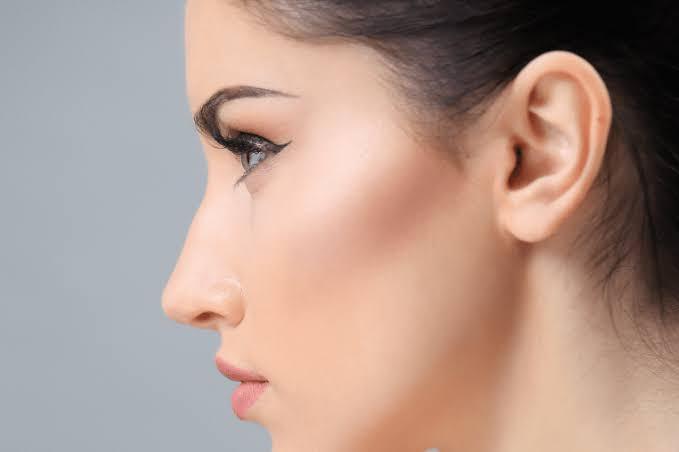
Ear shape and position can influence how a person feels about their overall appearance, especially when the ears appear more prominent or have an unusual shape. Some people are born with differences in ear structure, while others develop changes following an injury or as the ears grow. Understanding the concerns that ear reshaping can address helps individuals make informed decisions about their appearance. Ear Reshaping Surgery in Dubai is a term commonly used when exploring surgical options for improving ear shape, position, and proportion. The main aim is to create a more balanced appearance while preserving the ears' natural character and function.
What Is Ear Reshaping?
Ear reshaping, medically known as otoplasty, is a surgical procedure designed to change the shape, position, or proportions of the external ears. It may be considered by children, teenagers, and adults who feel uncomfortable with the appearance of their ears or have structural differences they would like to address.
The procedure focuses on the visible outer ear rather than the internal structures responsible for hearing. Depending on the individual's anatomy and goals, the surgical approach may involve adjusting cartilage, creating a more defined fold, or positioning the ears closer to the head.
The treatment plan is personalised because ear shape varies considerably from person to person. The goal is generally to achieve a natural-looking result that complements the individual's facial proportions.
What Ear Concerns Can Reshaping Correct?
Ear reshaping can address several structural concerns. The appropriate technique depends on the type of difference, the flexibility of the cartilage, and the desired outcome.
Prominent or Protruding Ears
Prominent ears extend farther from the sides of the head than a person would prefer. This may result from cartilage that does not form the usual fold or from an ear structure that angles outward.
Otoplasty can reposition prominent ears closer to the head and improve their overall angle. The intention is to create a balanced appearance without making the ears look unnaturally flat or tightly positioned.
Uneven or Asymmetrical Ears
One ear may sit farther from the head, appear larger, or have a different contour from the other. Minor differences are common, but noticeable asymmetry can become a source of self-consciousness.
Ear reshaping may improve the balance between both ears by adjusting their position or shape. Perfect symmetry is not always possible because the ears naturally differ in size, cartilage structure, and placement.
Underdeveloped Ear Folds
The outer ear contains folds that give it its distinctive three-dimensional shape. When one of these folds is poorly developed, the ear may appear flatter or more prominent.
Surgical reshaping can create or improve the definition of selected cartilage folds. This may help the ear look more naturally contoured and proportionate to the rest of the face.
Large or Disproportionate Ears
Some individuals feel that their ears appear too large in relation to their facial features. In selected cases, surgery can reduce certain dimensions of the outer ear or adjust its contour.
The suitable approach depends on whether the concern involves ear height, width, or overall proportions. Not every concern about ear size requires the same technique, and the planned changes should preserve a natural appearance.
Asymmetrical Earlobes
Earlobes may differ in size, shape, or position. Some people also have elongated or stretched earlobes that affect the appearance of the lower part of the ear.
When the concern is limited to the earlobe, a specific earlobe repair or reshaping procedure may be more appropriate than traditional otoplasty. The treatment is selected according to the exact location and extent of the structural difference.
Certain Congenital Ear Differences
Some individuals are born with ear cartilage that develops differently, creating an unusual fold, contour, or position. These differences can vary from mild irregularities to more complex structural conditions.
Selected congenital differences may be improved through reconstructive or reshaping techniques. More complex conditions may require specialised assessment and a treatment plan tailored to the individual's anatomy.
Changes Following an Injury
An injury can alter the appearance of the outer ear by affecting its cartilage or surrounding tissue. In some cases, reconstructive surgery may help restore a more regular contour.
The appropriate treatment depends on the nature of the injury, the condition of the tissue, and whether the area has healed. Not every injury-related concern can be addressed through standard otoplasty.
What Are the Two Main Treatment Approaches?
The phrase ear reshaping can refer to more than one type of treatment. Two broad approaches are surgical ear reshaping and non-surgical ear moulding. They serve different purposes and are not suitable for the same concerns.
Surgical Ear Reshaping
Surgical otoplasty is generally considered when a lasting structural change is desired. It can adjust cartilage, improve ear folds, reposition prominent ears, and address selected differences in ear size or contour.
During the procedure, the surgeon may make an incision behind the ear or in another suitable location, depending on the technique. Cartilage can then be reshaped, repositioned, or secured with sutures to achieve the planned contour.
The procedure is usually performed with anaesthesia appropriate to the individual's age, health, and treatment requirements. The specific method varies according to the ear's existing structure and the correction being considered.
Surgical reshaping is often suitable for older children and adults whose ear development is sufficiently advanced. A qualified medical professional determines whether the procedure is appropriate following an individual assessment.
Non-Surgical Ear Moulding
Non-surgical ear moulding uses specialised moulds or splints to guide the shape of flexible ear cartilage. It is most effective during early infancy, when cartilage is particularly soft and responsive.
This approach may help improve certain congenital ear shape differences without surgery. Its effectiveness depends on the type of deformity, the infant's age, and how consistently the moulding system is used under professional guidance.
Ear moulding is generally less effective once the cartilage becomes firmer with age. It is therefore not an equivalent alternative to surgical otoplasty for an adult with prominent ears or an established cartilage difference.
How Does the Ear Reshaping Process Work?
The process begins with an assessment of the ears, including their shape, position, symmetry, and cartilage structure. The individual's concerns and expectations are discussed to determine which changes are realistic.
The next stage involves planning the appropriate technique. Measurements and photographs may help document the existing anatomy and guide the intended outcome.
During surgical treatment, the selected cartilage adjustments are performed according to the plan. The ears are then positioned and supported to maintain the intended shape while healing begins.
The length and details of the procedure vary depending on its complexity. A medical professional explains the expected recovery period and the arrangements required before treatment.
What Are the Benefits of Ear Reshaping?
Ear reshaping can provide both physical and emotional benefits for suitable candidates. Its value depends on the individual's concerns and the degree of improvement that can reasonably be achieved.
Potential benefits include:
-
Improved positioning of prominent ears.
-
Better balance between the ears and facial features.
-
More defined contours in selected areas of the outer ear.
-
Correction of certain structural differences present from birth.
-
Repair of selected earlobe irregularities.
-
Greater comfort with personal appearance.
Although the procedure can improve specific features, it does not change a person's identity or guarantee increased confidence. Results vary according to anatomy, healing, and the technique used.
Who May Be Suitable for Ear Reshaping?
Suitable candidates are generally individuals who have a specific concern about the shape or position of their ears and understand what the procedure can achieve. For children, the timing of surgery depends on ear development, maturity, and the ability to participate in the recovery process.
Adults may consider treatment when their ear structure is fully developed and their expectations are realistic. A medical assessment is important for identifying the most appropriate procedure and determining whether the desired correction is achievable.
Individuals with complex congenital differences, previous ear surgery, or significant injury-related changes may require a more specialised reconstructive approach.
Frequently Asked Questions
Can Ear Reshaping Correct Ears That Stick Out?
Yes. Otoplasty can reposition prominent ears closer to the head by modifying the cartilage structure or improving the natural folds.
Can Both Ears Be Reshaped During One Procedure?
Yes. Both ears can often be treated during the same operation when the planned corrections and the individual's health make this appropriate.
Can Ear Reshaping Make Ears Smaller?
Selected techniques can reduce certain dimensions of the outer ear. The method depends on whether the concern relates to height, width, contour, or the earlobe.
Is Non-Surgical Ear Moulding Suitable for Adults?
Usually, non-surgical moulding is most effective during early infancy because ear cartilage is more flexible. Adults with established structural differences may need a surgical assessment instead.
Does Ear Reshaping Improve Hearing?
Otoplasty generally changes the appearance or position of the external ear rather than treating hearing problems. Anyone experiencing hearing difficulties should receive a separate hearing assessment.
How Long Does Recovery Take?
Recovery varies according to the technique, the extent of the correction, and individual healing. The treating professional provides guidance about returning to everyday activities and resuming exercise.
Conclusion
Ear reshaping can correct several concerns, including prominent ears, uneven positioning, underdeveloped folds, selected size differences, irregular earlobes, and certain congenital or injury-related changes. Surgical otoplasty offers a way to modify established cartilage structures, while non-surgical ear moulding may help guide flexible cartilage in early infancy. Understanding the difference between these two approaches is essential when choosing an appropriate treatment. A personalised assessment helps determine which concerns can be corrected, which technique may be suitable, and what results are realistic. With careful planning and an emphasis on natural proportions, ear reshaping can help individuals achieve a more balanced appearance while maintaining the distinctive features of their ears.

 English
 Arabic
 French
 Spanish
 Portuguese
 Deutsch
 Turkish
 Italiano
 Russian
 Romaian
 Portuguese (Brazil)
 Greek
Greek