


What Is Therapeutic Massage and How Can It Improve Your Well-Being?
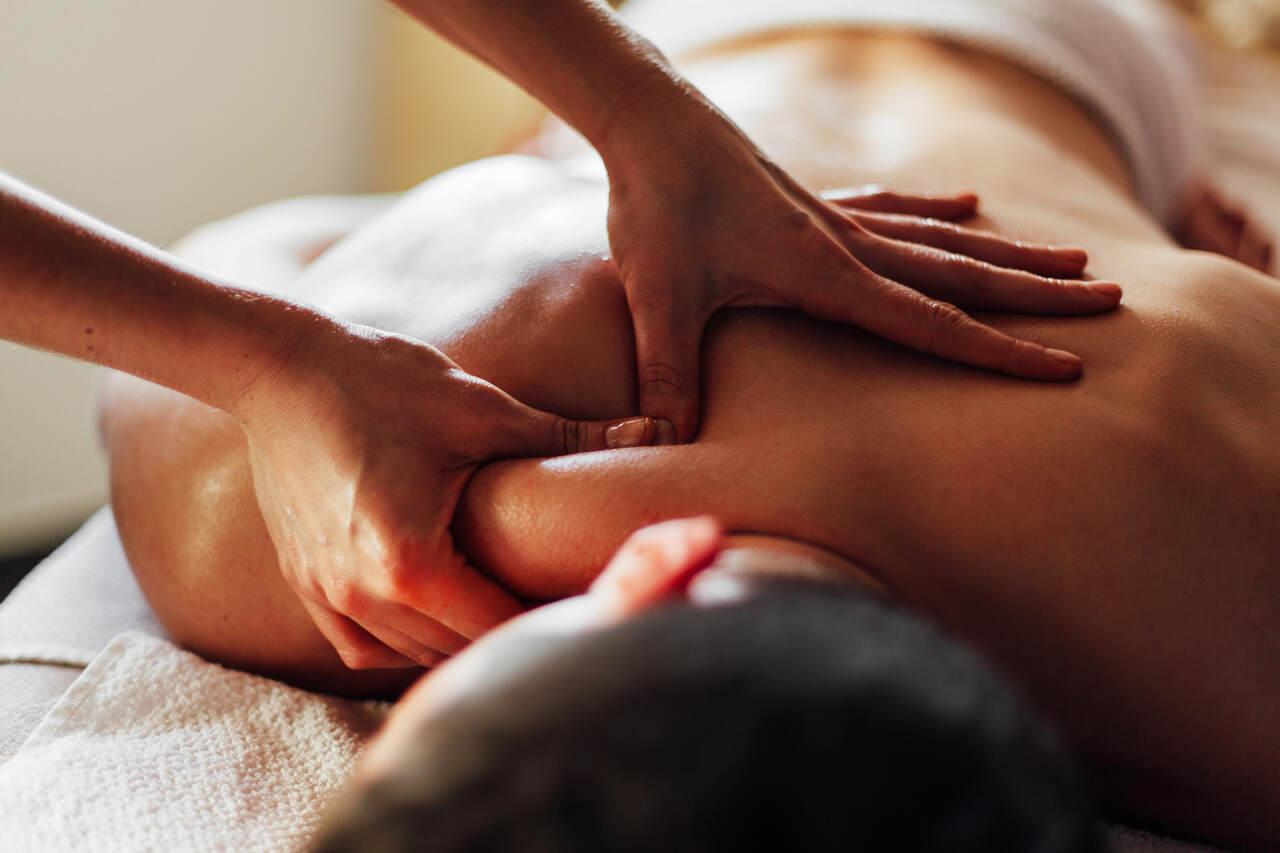
Therapeutic massage is a popular wellness treatment that focuses on relieving muscle tension, reducing stress, and supporting overall physical comfort. It involves using different massage techniques to work on muscles, soft tissues, and areas of the body affected by pain or stiffness. Whether you spend long hours sitting at a desk, participate in regular physical activities, or experience everyday stress, therapeutic massage may help you feel more relaxed and comfortable.
Unlike a massage focused mainly on relaxation, therapeutic massage is often tailored to address specific concerns, such as tight muscles, limited mobility, or discomfort in the back, neck, and shoulders. A qualified massage therapist can assess your needs and recommend suitable techniques for your individual goals.
What Is Therapeutic Massage?
Therapeutic massage is a hands-on treatment designed to support physical well-being by working with muscles and other soft tissues. Depending on your needs, a session may include gentle pressure, deeper muscle techniques, stretching, and targeted movements.
The treatment can be customized according to your comfort level and health concerns. Some people choose therapeutic massage to manage muscle soreness after exercise, while others seek relief from tension caused by prolonged sitting, repetitive movements, or daily activities.
A registered or qualified massage therapist can help determine which techniques are appropriate for you. The pressure and duration of treatment may vary depending on the area being treated and your personal preferences.
What Are the Benefits of Therapeutic Massage?
Therapeutic massage may offer several benefits when included as part of a balanced wellness routine. Results vary depending on the individual, the techniques used, and the reason for treatment.
1. Helps Relieve Muscle Tension
Muscle tension can develop from poor posture, repetitive movements, exercise, or spending long hours in one position. Tight muscles may cause discomfort and make everyday activities less enjoyable.
Therapeutic massage uses targeted pressure and soft-tissue techniques to help relax tense muscles. Many people find that massage helps them feel less stiff and more comfortable, particularly around the neck, shoulders, and back.
2. Supports Stress Reduction
Daily responsibilities, work pressure, and busy schedules can contribute to physical and emotional stress. Massage provides an opportunity to slow down and focus on relaxation.
The calming environment and gentle touch involved in therapeutic massage may help reduce feelings of stress and promote relaxation. Regular self-care, including massage when appropriate, can be a useful addition to healthy stress-management habits.
3. May Improve Flexibility and Mobility
Muscle tightness can sometimes make movements feel restricted. Therapeutic massage may help reduce soft-tissue tension and improve comfort during movement.
Depending on your needs, a massage therapist may combine targeted massage techniques with gentle stretching. This approach may be helpful for people who experience stiffness after exercise or long periods of sitting.
However, massage is not a replacement for rehabilitation exercises or medical treatment when these are necessary.
4. Promotes Relaxation and Better Sleep
Relaxation is an important part of maintaining overall well-being. Some people find that therapeutic massage helps them unwind after a demanding day and feel more prepared for rest.
By encouraging relaxation and reducing physical tension, massage may support better sleep quality for certain individuals. Combining massage with consistent sleep schedules, reduced screen time before bed, and a comfortable sleeping environment may further support healthy sleep habits.
5. Supports Exercise Recovery
People who participate in sports, gym workouts, or physically demanding activities may experience muscle soreness and fatigue. Therapeutic massage may help reduce the sensation of soreness and improve perceived recovery.
Athletes and active individuals can discuss their training routines with a massage therapist to choose suitable techniques and timing. However, massage should not be used to treat an unexplained injury without appropriate assessment.
6. Helps Manage Everyday Discomfort
Long hours at a computer, driving, or performing repetitive tasks can contribute to discomfort in different parts of the body.
Therapeutic massage may help some people manage tension-related discomfort and improve their sense of physical comfort. A therapist may focus on particular muscle groups according to your symptoms and goals.
Persistent, severe, or unexplained pain should be assessed by a healthcare professional rather than managed through massage alone.
What Techniques Are Used in Therapeutic Massage?
Therapeutic massage can include several techniques depending on the individual's needs.
-
Swedish massage: Uses flowing movements and varying pressure to encourage relaxation.
-
Deep tissue massage: Applies slower, firmer pressure to target deeper layers of muscle and connective tissue.
-
Trigger point techniques: Focus on sensitive areas within muscles that may contribute to localized discomfort.
-
Myofascial techniques: Use sustained pressure and gentle movements to address tension in connective tissues.
-
Stretching techniques: May be incorporated to support comfortable movement and flexibility.
Not every session includes all these techniques. Your massage therapist should explain the approach and adjust the pressure according to your comfort.
Who Can Benefit from Therapeutic Massage?
Therapeutic massage may be suitable for adults who experience muscle tightness, everyday stress, mild stiffness, or exercise-related soreness. Office workers, athletes, people with physically demanding jobs, and individuals looking for relaxation may all consider massage as part of their wellness routine.
However, massage is not appropriate for every condition. People with certain medical problems, recent injuries, fractures, blood-clot concerns, skin infections, or other significant health issues should consult a healthcare professional before receiving treatment. Pressure and positioning may also need modification for pregnant clients.
Always share relevant health information with your massage therapist before beginning a session.
What Should You Expect During a Therapeutic Massage Session?
Your first session will generally begin with a conversation about your health history, areas of discomfort, activity level, and treatment goals. The therapist can then recommend suitable techniques and explain what the session will involve.
During the massage, you should feel comfortable communicating about pressure, temperature, positioning, and any discomfort. Massage should not cause sharp or severe pain. Your therapist should respect your privacy and obtain your consent before treatment.
After the session, you may feel relaxed or experience temporary mild muscle tenderness, particularly after firmer techniques. Drinking water according to your normal needs, resting when necessary, and following any appropriate aftercare advice can help you feel comfortable.
How Often Should You Get Therapeutic Massage?
The ideal frequency depends on your goals, health, budget, and response to treatment. Some people prefer occasional sessions for relaxation, while others may benefit from a short course of massage as part of a broader care plan.
A qualified therapist can help you decide on a suitable schedule. More frequent or firmer massage is not automatically better, and treatment should be adjusted if you experience increased pain or persistent soreness.
Conclusion
Therapeutic massage can be a valuable part of a well-rounded wellness routine. It may help relieve muscle tension, encourage relaxation, support comfortable movement, and reduce the feeling of exercise-related soreness. By choosing suitable techniques and working with a qualified massage therapist, you can make your sessions more relevant to your individual needs.
For the
Therapeutic massage is a popular wellness treatment that focuses on relieving muscle tension, reducing stress, and supporting overall physical comfort. It involves using different massage techniques to work on muscles, soft tissues, and areas of the body affected by pain or stiffness. Whether you spend long hours sitting at a desk, participate in regular physical activities, or experience everyday stress, therapeutic massage may help you feel more relaxed and comfortable.
Unlike a massage focused mainly on relaxation, therapeutic massage is often tailored to address specific concerns, such as tight muscles, limited mobility, or discomfort in the back, neck, and shoulders. A qualified massage therapist can assess your needs and recommend suitable techniques for your individual goals.
What Is Therapeutic Massage?
Therapeutic massage is a hands-on treatment designed to support physical well-being by working with muscles and other soft tissues. Depending on your needs, a session may include gentle pressure, deeper muscle techniques, stretching, and targeted movements.
The treatment can be customized according to your comfort level and health concerns. Some people choose therapeutic massage to manage muscle soreness after exercise, while others seek relief from tension caused by prolonged sitting, repetitive movements, or daily activities.
A registered or qualified massage therapist can help determine which techniques are appropriate for you. The pressure and duration of treatment may vary depending on the area being treated and your personal preferences.
What Are the Benefits of Therapeutic Massage?
Therapeutic massage may offer several benefits when included as part of a balanced wellness routine. Results vary depending on the individual, the techniques used, and the reason for treatment.
1. Helps Relieve Muscle Tension
Muscle tension can develop from poor posture, repetitive movements, exercise, or spending long hours in one position. Tight muscles may cause discomfort and make everyday activities less enjoyable.
Therapeutic massage uses targeted pressure and soft-tissue techniques to help relax tense muscles. Many people find that massage helps them feel less stiff and more comfortable, particularly around the neck, shoulders, and back.
2. Supports Stress Reduction
Daily responsibilities, work pressure, and busy schedules can contribute to physical and emotional stress. Massage provides an opportunity to slow down and focus on relaxation.
The calming environment and gentle touch involved in therapeutic massage may help reduce feelings of stress and promote relaxation. Regular self-care, including massage when appropriate, can be a useful addition to healthy stress-management habits.
3. May Improve Flexibility and Mobility
Muscle tightness can sometimes make movements feel restricted. Therapeutic massage may help reduce soft-tissue tension and improve comfort during movement.
Depending on your needs, a massage therapist may combine targeted massage techniques with gentle stretching. This approach may be helpful for people who experience stiffness after exercise or long periods of sitting.
However, massage is not a replacement for rehabilitation exercises or medical treatment when these are necessary.
4. Promotes Relaxation and Better Sleep
Relaxation is an important part of maintaining overall well-being. Some people find that therapeutic massage helps them unwind after a demanding day and feel more prepared for rest.
By encouraging relaxation and reducing physical tension, massage may support better sleep quality for certain individuals. Combining massage with consistent sleep schedules, reduced screen time before bed, and a comfortable sleeping environment may further support healthy sleep habits.
5. Supports Exercise Recovery
People who participate in sports, gym workouts, or physically demanding activities may experience muscle soreness and fatigue. Therapeutic massage may help reduce the sensation of soreness and improve perceived recovery.
Athletes and active individuals can discuss their training routines with a massage therapist to choose suitable techniques and timing. However, massage should not be used to treat an unexplained injury without appropriate assessment.
6. Helps Manage Everyday Discomfort
Long hours at a computer, driving, or performing repetitive tasks can contribute to discomfort in different parts of the body.
Therapeutic massage may help some people manage tension-related discomfort and improve their sense of physical comfort. A therapist may focus on particular muscle groups according to your symptoms and goals.
Persistent, severe, or unexplained pain should be assessed by a healthcare professional rather than managed through massage alone.
What Techniques Are Used in Therapeutic Massage?
Therapeutic massage can include several techniques depending on the individual's needs.
-
Swedish massage: Uses flowing movements and varying pressure to encourage relaxation.
-
Deep tissue massage: Applies slower, firmer pressure to target deeper layers of muscle and connective tissue.
-
Trigger point techniques: Focus on sensitive areas within muscles that may contribute to localized discomfort.
-
Myofascial techniques: Use sustained pressure and gentle movements to address tension in connective tissues.
-
Stretching techniques: May be incorporated to support comfortable movement and flexibility.
Not every session includes all these techniques. Your massage therapist should explain the approach and adjust the pressure according to your comfort.
Who Can Benefit from Therapeutic Massage?
Therapeutic massage may be suitable for adults who experience muscle tightness, everyday stress, mild stiffness, or exercise-related soreness. Office workers, athletes, people with physically demanding jobs, and individuals looking for relaxation may all consider massage as part of their wellness routine.
However, massage is not appropriate for every condition. People with certain medical problems, recent injuries, fractures, blood-clot concerns, skin infections, or other significant health issues should consult a healthcare professional before receiving treatment. Pressure and positioning may also need modification for pregnant clients.
Always share relevant health information with your massage therapist before beginning a session.
What Should You Expect During a Therapeutic Massage Session?
Your first session will generally begin with a conversation about your health history, areas of discomfort, activity level, and treatment goals. The therapist can then recommend suitable techniques and explain what the session will involve.
During the massage, you should feel comfortable communicating about pressure, temperature, positioning, and any discomfort. Massage should not cause sharp or severe pain. Your therapist should respect your privacy and obtain your consent before treatment.
After the session, you may feel relaxed or experience temporary mild muscle tenderness, particularly after firmer techniques. Drinking water according to your normal needs, resting when necessary, and following any appropriate aftercare advice can help you feel comfortable.
How Often Should You Get Therapeutic Massage?
The ideal frequency depends on your goals, health, budget, and response to treatment. Some people prefer occasional sessions for relaxation, while others may benefit from a short course of massage as part of a broader care plan.
A qualified therapist can help you decide on a suitable schedule. More frequent or firmer massage is not automatically better, and treatment should be adjusted if you experience increased pain or persistent soreness.
Conclusion
Therapeutic massage can be a valuable part of a well-rounded wellness routine. It may help relieve muscle tension, encourage relaxation, support comfortable movement, and reduce the feeling of exercise-related soreness. By choosing suitable techniques and working with a qualified massage therapist, you can make your sessions more relevant to your individual needs.
For the best results, combine therapeutic massage with regular physical activity, good posture, adequate sleep, and healthy daily habits. If you have ongoing pain or an underlying medical condition, seek appropriate medical advice before starting treatment. A personalized approach can help you make informed decisions about therapeutic massage and your overall well-being.
best results, combine therapeutic massage with regular physical activity, good posture, adequate sleep, and healthy daily habits. If you have ongoing pain or an underlying medical condition, seek appropriate medical advice before starting treatment. A personalized approach can help you make informed decisions about therapeutic massage and your overall well-being.

 English
 Arabic
 French
 Spanish
 Portuguese
 Deutsch
 Turkish
 Dutch
Dutch
 Russian
 Romaian
 Portuguese (Brazil)
 Greek
Greek