


How to Choose the Right AC Unit Size for Your Fort Worth Home
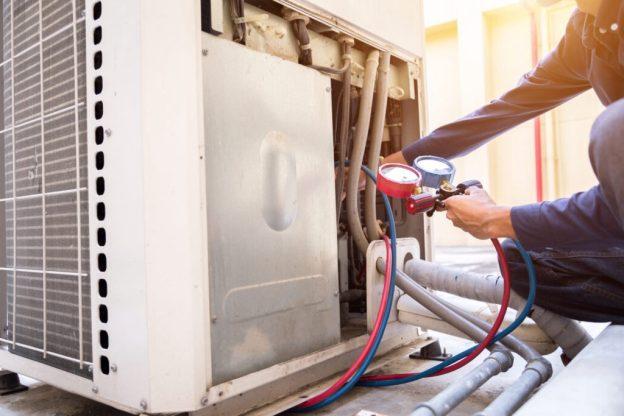
Choosing the right air conditioner size is one of the most important decisions when upgrading your home's cooling system in Fort Worth, Texas. A properly sized unit can help maintain consistent indoor temperatures, manage humidity, and operate more efficiently during the region's hot summers. However, selecting an air conditioner based only on your home's square footage can lead to disappointing results. Factors such as insulation, window placement, ceiling height, air leakage, and the number of occupants also influence how much cooling your home requires. Understanding these considerations before arranging air conditioning installation Fort Worth services can help you make a more informed investment and enjoy dependable comfort throughout the cooling season.
Understand Why the Right AC Size Matters
Air conditioner capacity is commonly measured in British thermal units per hour (BTUs) or tons of cooling. One ton represents 12,000 BTUs of cooling capacity per hour, but this measurement does not tell you which unit is appropriate for your specific home. Two houses with identical square footage may have very different cooling requirements because of differences in insulation, windows, ceiling heights, and sun exposure. A professional assessment helps determine the capacity needed to maintain comfortable indoor conditions without unnecessarily increasing energy consumption.
An oversized air conditioner can cool a room quickly but shut off before running long enough to remove sufficient humidity. This may leave your home feeling cool but damp, particularly during humid weather. Frequent starting and stopping can also increase wear on components and interfere with consistent temperature control. An undersized system may run for extended periods without reaching the thermostat setting during particularly hot afternoons, potentially increasing electricity use and reducing comfort.
For homeowners planning air conditioning installation Fort Worth services, the goal should be balanced performance rather than choosing the largest unit available. Proper sizing considers both sensible cooling, which reduces air temperature, and latent cooling, which removes moisture from indoor air. A well-designed system should maintain comfortable temperatures while managing humidity under typical operating conditions. Choosing the right capacity from the beginning can help prevent avoidable performance problems and support the long-term reliability of your HVAC equipment.
Consider Square Footage, Insulation, and Fort Worth's Climate
Your home's square footage provides a useful starting point when evaluating air conditioner size, but it should never be the only deciding factor. Larger homes generally require more cooling capacity, yet a compact, well-insulated house may need less capacity than a larger property with significant air leakage. The number and orientation of windows, attic insulation, exterior shading, ceiling height, and room layout all influence how much heat enters your home. These characteristics should be evaluated together before selecting equipment.
Fort Worth's hot summers make it especially important to consider heat gain through roofs, windows, and exterior walls. Rooms with large west-facing windows may become particularly warm during the afternoon because they receive substantial direct sunlight. Poorly insulated attics can also transfer heat into living spaces, making the air conditioner work harder. If your home has recently received new windows, additional insulation, or a room addition, its cooling requirements may have changed significantly since the previous system was installed.
Air leakage and ductwork condition deserve attention as well. Leaky ducts can allow cooled air to escape into an attic or other unconditioned area, reducing the amount of cooling delivered to occupied rooms. Gaps around doors, windows, and other openings can also introduce hot outdoor air. Correcting these problems may improve comfort and reduce cooling demand, although the actual benefit depends on the home's condition. A qualified contractor can identify opportunities to improve the building envelope before recommending the final air conditioner capacity.
Request a Professional Cooling Load Calculation
One of the most reliable ways to determine the correct air conditioner size is to request a Manual J load calculation. This method evaluates the home's heating and cooling requirements using factors such as dimensions, insulation, window characteristics, orientation, air leakage, and local outdoor design conditions. Rather than relying on a general rule based on square footage, the calculation provides a more detailed estimate of how much cooling the building needs. This information helps your contractor recommend equipment that matches your home's actual requirements.
A professional assessment should also account for the condition of your existing ductwork and the way air moves through the house. Once the cooling load has been calculated, the contractor can use appropriate equipment-selection and duct-design procedures to determine which system will deliver the required capacity. The goal is to select equipment that operates within its intended performance range while distributing conditioned air effectively. Proper design is particularly valuable when replacing an older system because improvements to the home may have changed its original cooling requirements.
Be cautious if a contractor recommends a new air conditioner based only on the size of your existing unit or a quick visual estimate. The previous equipment may have been incorrectly sized, and the home may have changed since it was installed. When comparing heating and air conditioning contractors near me, ask whether they perform a load calculation and explain how it influences their recommendation. A professional who can clearly describe the assessment process gives you a stronger basis for evaluating equipment options and installation proposals.
Compare Efficiency Ratings and System Compatibility
After determining your home's cooling requirements, consider the efficiency and design of the available equipment. Modern air conditioners and heat pumps come in different efficiency levels, operating capacities, and configurations. Higher-efficiency models may reduce electricity consumption under comparable conditions, but the actual savings depend on local weather, thermostat settings, equipment sizing, installation quality, and household usage. Ask your contractor to explain the relevant efficiency ratings and compare suitable options within your budget.
You should also consider whether a single-stage, two-stage, or variable-capacity system is appropriate for your home. Single-stage equipment generally operates at one primary cooling level, while two-stage and variable-capacity systems can adjust their output to better match changing cooling demand. Depending on the equipment and home design, these options may improve temperature consistency, reduce operating noise, or support better humidity management. However, additional features may increase the purchase price, so compare their expected benefits rather than assuming the most expensive system is automatically the best choice.
Compatibility between the outdoor unit, indoor coil, blower, thermostat, and ductwork is equally important. A high-efficiency air conditioner may not achieve its intended performance if its components are mismatched or airflow is inadequate. Ask for the proposed equipment model numbers, capacity, efficiency information, warranty details, and installation specifications in writing. An experienced air conditioning installation Fort Worth contractor should explain the differences between options and help you choose a system that suits your property's cooling requirements and long-term budget.
Choose Qualified Heating and Air Conditioning Contractors
Selecting the right equipment is only part of a successful installation. The contractor must also install and configure the system correctly, verify airflow, check refrigerant charge, and test performance. Poor workmanship can undermine the benefits of properly sized equipment and contribute to uneven cooling, higher energy consumption, and premature component problems. For this reason, homeowners should evaluate a contractor's qualifications and installation procedures before agreeing to the project.
Texas requires air conditioning and refrigeration contractors performing regulated contracting work to hold the appropriate state license. Before hiring a company, verify its credentials through the Texas Department of Licensing and Regulation and ask about relevant installation experience and insurance. You should also request a detailed written estimate that identifies the proposed equipment, installation work, included services, and any additional charges. A reputable contractor should be willing to answer questions about sizing, equipment compatibility, warranties, and the steps involved in completing the installation.
When searching for heating and air conditioning contractors near me, compare more than the initial price. Consider customer feedback, communication, service policies, and whether the contractor explains the reasons behind its recommendations. Ask how the installation will be tested and whether the technician will review the system's operation with you after completion. A company that emphasizes proper design, transparent pricing, and documented testing can help you make a more confident decision about an investment that affects your home's comfort for years to come.
Maintain the Right AC Size for Long-Term Comfort
Once your new air conditioner has been installed, routine maintenance helps preserve its performance. Replace or clean the air filter according to the manufacturer's recommendations, keep supply and return vents unobstructed, and remove leaves or debris from around the outdoor unit. Schedule professional inspections as recommended to check airflow, electrical connections, coils, and condensate drainage. These measures cannot correct an incorrectly sized system, but they can help prevent maintenance-related problems from reducing cooling performance.
Pay attention to how your home feels during different weather conditions. Persistent humidity, large temperature differences between rooms, unusually long cooling cycles, or frequent starting and stopping may indicate an issue that deserves investigation. These symptoms do not automatically mean your air conditioner is the wrong size; ductwork problems, thermostat placement, insulation deficiencies, and equipment faults can produce similar results. A qualified technician can evaluate the system and determine whether the concern involves equipment capacity, installation, or another underlying factor.
Choosing the right air conditioner size begins with understanding your home rather than relying on guesswork. By considering insulation, window exposure, ductwork, cooling-load calculations, and equipment efficiency, Fort Worth homeowners can make better decisions when replacing an aging system or installing new equipment. Working with qualified professionals helps ensure that the selected unit matches your property's requirements and is installed according to appropriate standards. With careful planning and consistent maintenance, your air conditioner can provide dependable cooling and comfortable indoor conditions throughout the demanding North Texas summer.

 English
 Arabic
 French
 Portuguese
 Deutsch
 Turkish
 Dutch
Dutch
 Italiano
 Russian
 Romaian
 Portuguese (Brazil)
 Greek
Greek