


What Is at US Data Centers? A Complete Guide to Data Center Infrastructure in the United States
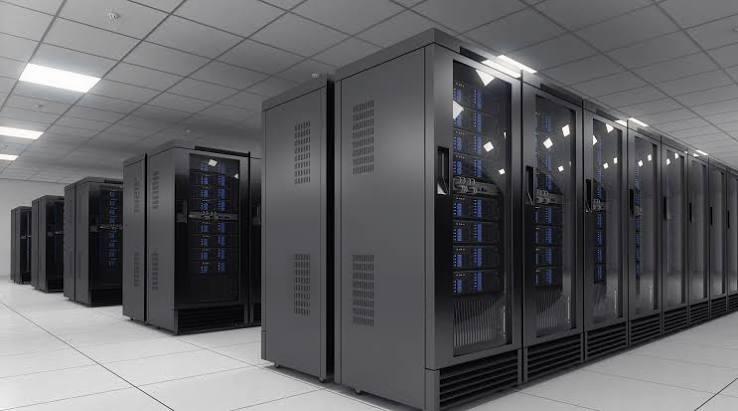
US data centers are specialized facilities that store, process, manage, and distribute digital information. They provide the infrastructure needed to operate websites, mobile applications, cloud computing platforms, business software, artificial intelligence systems, and online services. From small businesses to global technology companies, organizations rely on data centers in the United States to maintain reliable access to their digital resources.
A US data center typically contains servers, networking data center usa equipment, storage systems, cooling infrastructure, power supplies, and security systems. Together, these components ensure that applications and information remain accessible, secure, and available around the clock.
What Equipment Is Inside US Data Centers?
Data centers in the United States contain several essential types of equipment designed to support modern computing requirements.
1. Servers and Computing Hardware
Servers are the primary components of a data center. They process requests, run applications, host websites, manage databases, and perform complex computing tasks. Businesses can choose dedicated servers, virtual servers, or specialized hardware depending on their requirements.
Intel and AMD processors are commonly used in server environments. Intel servers are suitable for a wide range of enterprise applications, while AMD EPYC processors offer options for high-core-count workloads, virtualization, and data-intensive computing. GPU-equipped servers are also increasingly important for artificial intelligence, machine learning, and scientific research.
2. Storage Systems
Storage infrastructure keeps digital information available for applications and users. Data centers may use solid-state drives, traditional hard drives, network-attached storage, and enterprise storage arrays.
These systems support databases, website files, backups, business documents, and large datasets. Many facilities also provide redundant storage configurations to help protect information against hardware failures.
3. Networking Infrastructure
Routers, switches, firewalls, and fiber-optic connections enable communication between servers, internet service providers, cloud platforms, and end users. High-speed network connections help reduce latency and support demanding applications.
US data centers often provide multiple network providers, redundant connections, and different bandwidth options. These features are especially valuable for gaming platforms, streaming services, financial applications, and businesses serving customers throughout North America.
Power and Cooling Systems
Reliable electricity is essential for data center operations. Even a short power interruption can affect hosted websites, applications, and business systems.
Most professional facilities use backup generators, uninterruptible power supplies, redundant electrical distribution, and monitoring systems. These technologies help maintain operations during power disruptions and allow technicians to manage electrical infrastructure safely.
Cooling is equally important because servers generate substantial heat. Data centers use precision air conditioning, hot-aisle and cold-aisle layouts, liquid cooling, or other thermal management technologies to maintain suitable operating temperatures.
As artificial intelligence and high-performance computing become more common, some facilities are adopting advanced cooling systems to accommodate equipment with higher power requirements.
Where Are US Data Centers Located?
The United States has several major data center markets, each offering different advantages.
Northern Virginia is one of the country's best-known data center hubs, supported by extensive fiber networks and strong connectivity. Dallas, Texas, attracts businesses seeking central US connectivity and access to a large commercial market. Los Angeles, California, is important for West Coast businesses, content delivery, and international connectivity across the Pacific.
Other significant markets include Chicago, New York and New Jersey, Phoenix, Atlanta, and Silicon Valley. Location affects network latency, electricity costs, disaster exposure, and proximity to customers.
For example, a company serving users in California may benefit from a Los Angeles data center, while a business targeting customers across the eastern United States may prefer a facility in Virginia or New Jersey.
Security and Reliability
Security is a major priority for US data center operators. Facilities commonly use controlled entry points, surveillance cameras, security personnel, visitor authorization, and environmental monitoring.

 English
 Arabic
 French
 Spanish
 Portuguese
 Deutsch
 Turkish
 Dutch
Dutch
 Italiano
 Romaian
 Portuguese (Brazil)
 Greek
Greek